


Listen to the article
Vaccine Uptake Among Older Adults Remains Dangerously Low as Virus Activity Rises
Despite increasing emergency department visits and hospitalizations for respiratory illnesses, vaccination rates for influenza, COVID-19, RSV, and shingles remain alarmingly low among adults over 60, according to recent data from the University of Michigan and the Centers for Disease Control and Prevention (CDC).
Health officials are particularly concerned about older adults with multiple chronic conditions, who face significantly higher risks from these viruses yet continue to lag in vaccination coverage. This troubling pattern comes as CDC tracking data shows high respiratory virus activity in Alabama and rising trends across the Pacific Northwest, California, and southern states including Florida, Louisiana, and Arkansas.
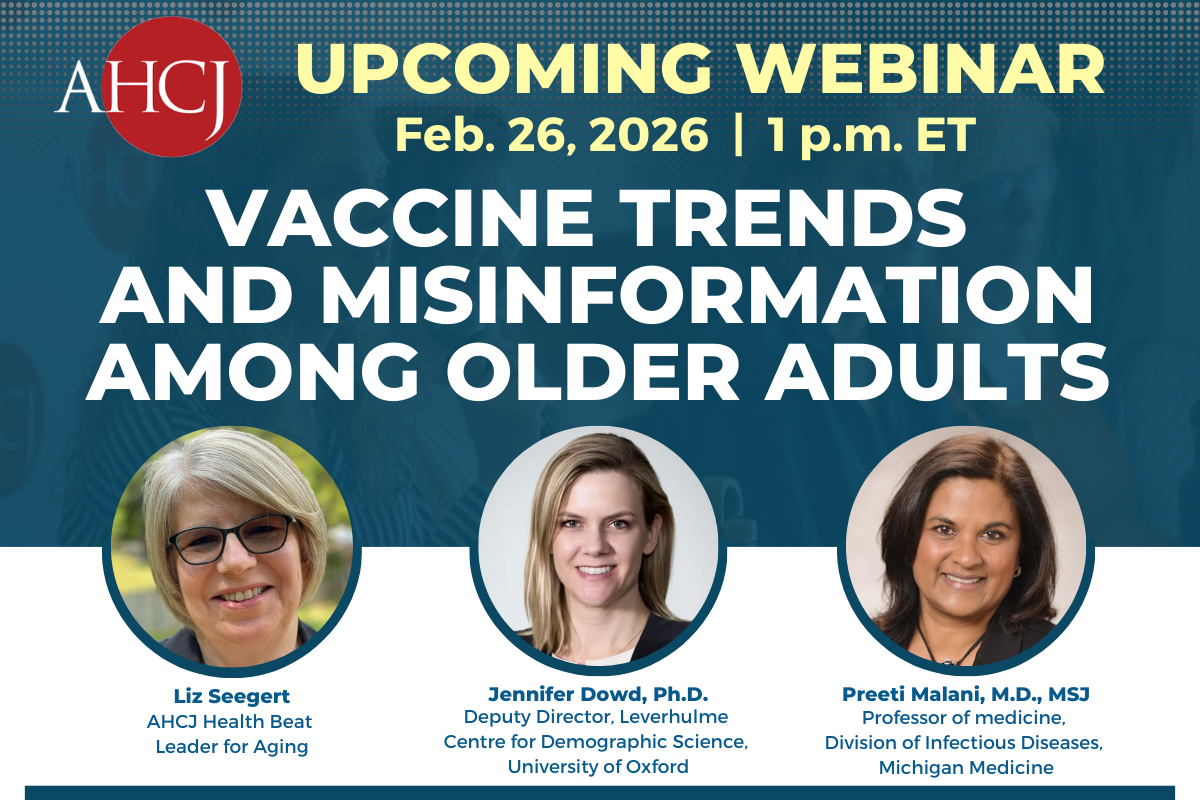
“The disconnect between vulnerability and vaccination rates is creating a perfect storm for severe illness in our older population,” said Dr. Preeti Malani, professor of medicine in the division of infectious diseases at Michigan Medicine, who specializes in the intersection of infections and aging.
Experts point to several factors driving the low uptake, including persistent misinformation campaigns, concerns about potential side effects, and cost barriers, especially for those with limited insurance coverage. For the new RSV vaccines, which were only recently approved for older adults, awareness remains relatively low among the target population.
The financial impact of these preventable illnesses extends beyond individual health concerns. According to healthcare economists, respiratory infections in older adults cost the U.S. healthcare system billions annually in preventable hospitalizations, long-term care needs, and lost productivity among family caregivers.
“When we examine the data closely, we see that even small improvements in vaccination rates could dramatically reduce healthcare utilization during peak respiratory virus seasons,” explains Jennifer Dowd, Ph.D., professor of demography and population health at the University of Oxford. Dr. Dowd has extensively researched how social and economic factors influence biological outcomes in aging populations.
Public health officials note that the benefits of vaccination extend beyond preventing the targeted diseases. Recent studies suggest that staying current with recommended immunizations may provide additional protective benefits, including reduced risk of cardiovascular events following respiratory infections and better overall immune function.
The CDC recently strengthened its recommendations for older adults, emphasizing the importance of receiving all four vaccines – annual flu shots, updated COVID-19 vaccines, the new RSV vaccine for those 60 and older, and the shingles vaccine series for those 50 and above.
Health communication experts emphasize that journalists play a crucial role in addressing vaccine hesitancy through accurate, clear reporting. “Media coverage that contextualizes both the risks of these diseases and the safety profile of vaccines can help counter the misinformation that continues to circulate online,” said Liz Seegert, health beat leader on aging for the Association of Health Care Journalists.
Healthcare providers are implementing new strategies to improve vaccination rates, including combination appointments where patients can receive multiple vaccines during a single visit, mobile vaccination clinics targeting senior communities, and enhanced educational campaigns specifically addressing common concerns among older populations.
Insurance coverage remains a significant barrier for some seniors. While Medicare Part B covers influenza and COVID-19 vaccines at no cost, the shingles vaccine and the new RSV vaccine typically require Part D or other supplemental coverage, potentially leading to out-of-pocket expenses that deter some individuals.
As respiratory virus season continues, public health officials urge older adults to speak with healthcare providers about staying up-to-date on all recommended vaccines, emphasizing that the protective benefits far outweigh potential risks, especially for those with underlying health conditions.
The convergence of low vaccination rates and increasing virus activity underscores the ongoing challenge of protecting vulnerable populations from preventable infectious diseases, even as new vaccine technologies offer enhanced protection options.
Fact Checker
Verify the accuracy of this article using The Disinformation Commission analysis and real-time sources.

10 Comments
This is a worrying trend. Older adults with chronic conditions face grave risks from respiratory viruses, yet many remain unvaccinated. Intensified efforts to educate and mobilize this vulnerable population are clearly needed.
It’s frustrating to see such low vaccination rates, especially as respiratory virus activity rises in many regions. Outreach and education efforts need to be bolstered to overcome hesitancy and ensure older adults can protect themselves.
Absolutely. Targeted campaigns to address the specific concerns of older adults could make a big difference in improving coverage and saving lives.
This is truly concerning. Older adults are the most vulnerable to severe illness from these respiratory viruses, yet vaccine rates remain alarmingly low. Health officials must do more to reach and educate this population on the critical importance of staying up-to-date with recommended immunizations.
Agreed. Misinformation is a major barrier, and we need to cut through that with clear, science-based messaging to encourage greater vaccine uptake among seniors.
It’s alarming to see such low uptake of recommended vaccines among older adults, who face the highest risks. Intensified outreach and education campaigns are clearly needed to overcome barriers and boost coverage in this critical population.
Persistent misinformation and vaccine hesitancy are undermining efforts to protect our older adult population. Public health officials must find more effective ways to reach and persuade this group to get their recommended shots.
The disconnect between older adults’ vulnerability and their vaccination rates is deeply concerning. Public health authorities must do more to understand and address the barriers preventing this high-risk population from getting the recommended shots.
Agreed. Identifying and tackling the root causes of low uptake, whether misinformation, access issues, or other factors, should be a top priority.
The low vaccination rates among older adults are deeply troubling, especially as respiratory virus activity rises. This disconnect between vulnerability and coverage needs urgent attention and solutions from health authorities.