


Listen to the article
Global health experts have raised the alarm about the twin threats of misinformation and uncertain research funding that are hampering vaccine programs worldwide. The World Health Organization’s Strategic Advisory Group of Experts on Immunisation (SAGE) highlighted these growing challenges during their biannual meeting last week in Geneva.
“Emerging challenges for the future include uncertain funding for vaccine research and development, and misinformation and distorted information that erodes public trust in vaccines,” the advisory group stated. They emphasized that “protecting trust and countering misinformation will be a central focus in 2026.”
The meeting covered critical topics including COVID-19 vaccination recommendations, typhoid vaccine dosing schedules, and oral polio vaccine doses in routine immunization programs.
WHO vaccines chief Kate O’Brien painted a concerning picture of the current landscape. “We’re in a really deeply changing world for infectious diseases and for vaccine programmes,” she said, citing conflicts, economic challenges, and cuts to health budgets as compounding factors. O’Brien added that trust in vaccines is being “threatened by misinformation.”
The rise in anti-vaccine rhetoric has been particularly notable in the United States, where health figure Robert F. Kennedy Jr. has promoted unsubstantiated claims connecting vaccines and autism. In response, the WHO released a comprehensive review in December that reaffirmed there is no evidence linking vaccines to autism.
“Vaccines do not cause autism and they never have caused autism,” O’Brien emphasized, highlighting that vaccines have saved an estimated 154 million lives over the past five decades and can prevent more than 30 diseases.
A particularly worrying trend is the potential scaling back of vaccine programs due to financial constraints. “The risk is about backsliding, or even countries deciding that they can’t afford all of the vaccines that are in their programme,” O’Brien warned.
The global polio eradication effort faces significant challenges as well. SAGE expressed concern over the ongoing transmission of wild poliovirus in Pakistan and Afghanistan, along with the persistent detection of vaccine-derived type-2 poliovirus in several African countries.
SAGE chair Anthony Scott warned that “the conflict in the Middle East may well lead to further dissemination of polioviruses,” which would complicate global eradication efforts. O’Brien offered a stark assessment of global priorities: “There are billions and billions of dollars being spent, day in and day out to destroy lives through wars. Does the world have its priorities straight about what we’re investing in?”
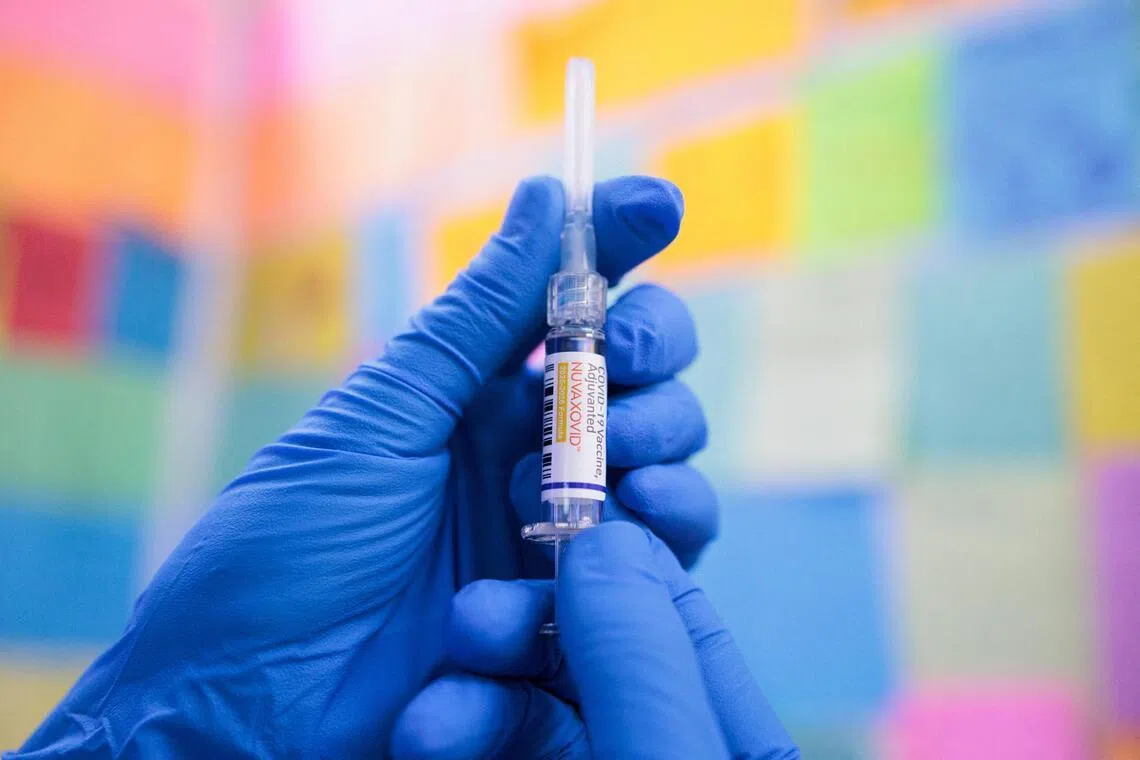
Regarding COVID-19 vaccinations, SAGE recommended that countries consider routine vaccination twice yearly for high-risk groups, as protection levels diminish beyond six months. The COVID-19 vaccine market has contracted significantly, with mRNA vaccines remaining the dominant technology.
O’Brien called for renewed investment in vaccine development, particularly for pan-coronavirus vaccines that could tackle multiple coronavirus threats beyond COVID-19. She also emphasized the need for longer-lasting vaccines that would reduce the burden of repeat injections on healthcare systems and vulnerable populations.
However, the cyclical nature of research funding presents a significant hurdle. Funding tends to surge during outbreaks but wanes afterward, creating what O’Brien described as a perpetual “cycle of crisis and response” rather than sustained preventative investment.
SAGE executive secretary Annelies Wilder-Smith identified another gap in the current vaccine landscape, noting “we really need” COVID-19 vaccines that more effectively reduce mild disease and transmission—not just severe outcomes.
As the WHO looks ahead to 2026, protecting the integrity of core immunization programs while combating the rising tide of misinformation appears to be the organization’s central challenge in its mission to safeguard global public health.
Fact Checker
Verify the accuracy of this article using The Disinformation Commission analysis and real-time sources.

18 Comments
The WHO is right to sound the alarm on vaccine misinformation and the need to protect funding for ongoing R&D. Rebuilding public trust in vaccines must be a top priority.
Vaccine misinformation is a serious threat that the WHO is right to highlight. Maintaining public trust and securing stable R&D funding are both essential to safeguarding vaccination efforts worldwide.
I agree completely. The WHO’s leadership in this area is vital. Protecting the funding and public confidence that sustains vaccine programs must be a top priority.
Exactly. The WHO’s proactive stance on these issues is much needed. Providing factual, science-based information to combat misinformation will be key.
Concerning to hear about the surge in vaccine misinformation. WHO experts are right to highlight the importance of countering this and maintaining public trust in vaccines. Protecting funding for vaccine R&D will be crucial too.
Yes, misinformation can really undermine critical vaccination efforts. Glad to see the WHO is making this a priority area to address in the coming years.
Vaccine misinformation can have serious public health consequences. I’m glad the WHO is making this a focus area and working to counter false claims with facts. Maintaining confidence in immunization programs is crucial.
Yes, it’s critical that the WHO takes a strong stand against misinformation and provides reliable, science-based information to the public.
WHO experts are sounding the alarm on the twin threats of vaccine misinformation and uncertain R&D funding. Maintaining public trust and securing stable resources for ongoing research will be crucial going forward.
It’s worrying to see vaccine misinformation surging globally. Protecting funding for vaccine R&D is critical, as is the WHO’s focus on countering false claims and rebuilding public trust. Reliable information is essential.
Disturbing to hear about the surge in vaccine misinformation globally. The WHO’s emphasis on protecting vaccine R&D funding and countering false claims is very much needed. Public trust in immunization must be preserved.
Uncertain funding for vaccine R&D and the threat of misinformation are concerning challenges highlighted by WHO experts. Maintaining high immunization rates requires addressing both issues head-on.
Absolutely. Proactive steps to counter misinformation and secure stable funding for vaccine development will be vital going forward.
It’s alarming to see the spread of vaccine misinformation globally. WHO’s focus on protecting vaccine research funding and countering false claims is critical. Public confidence in immunization programs must be preserved.
WHO experts are right to be concerned about misinformation eroding public trust in vaccines. Securing stable funding for ongoing R&D is also vital. Maintaining high vaccination rates requires addressing both these challenges.
Agreed. The WHO’s leadership in this area is so important. Providing accurate, science-based information to the public is key to combating misinformation.
Vaccine hesitancy fueled by misinformation is a real challenge. Glad the WHO is raising awareness and plans to focus on this issue. Maintaining high immunization rates is so important for public health.
Agreed. Countering misinformation with facts and science-based information will be key. The WHO’s leadership on this front is much needed.