


Listen to the article
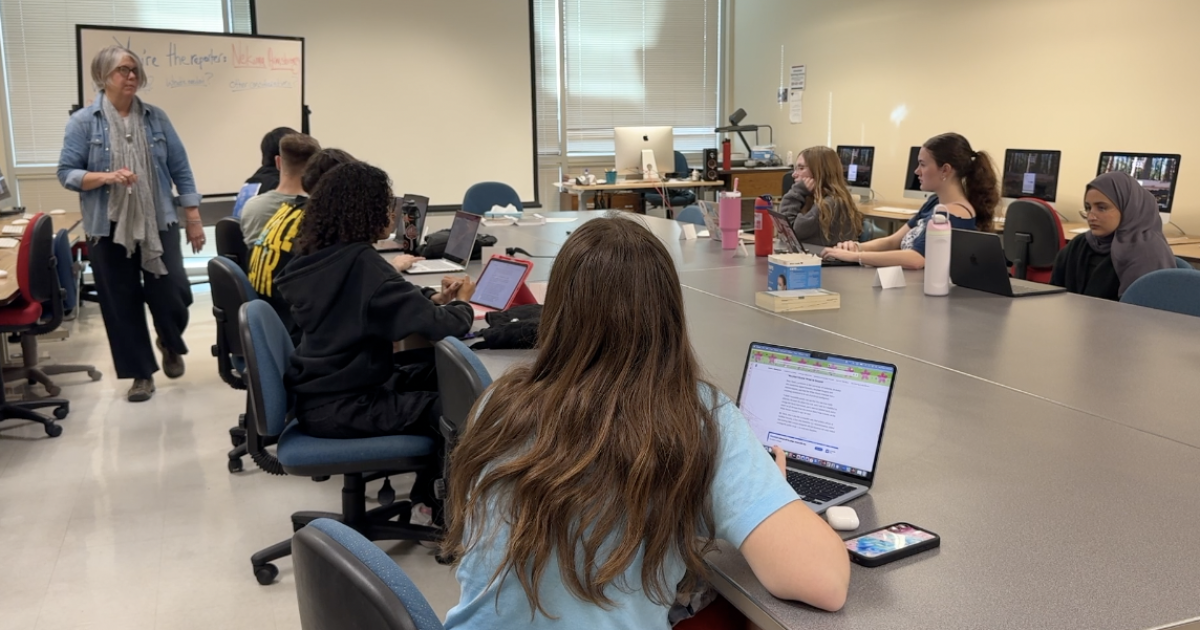
In the age of digital information overload, University of Arizona journalism students are learning critical skills to navigate the complex media landscape during News Literacy Week. As social media feeds become increasingly saturated with content, the ability to distinguish fact from fiction has never been more essential.
“People headline watch a lot, like, they only read the headline, and they make their opinion based on that,” noted one student during a recent journalism class session at the university. This widespread practice of forming opinions without reading full articles contributes significantly to the spread of misinformation.
The challenge of information verification comes amid a digital environment specifically designed for rapid consumption. Social media platforms optimize for engagement rather than accuracy, creating what media literacy experts call “information silos” where users primarily encounter content that confirms existing beliefs.
“We as the people have a duty to check our sources,” emphasized another student in the class. “It seems hard because you drown in all of this potential misinformation on social media, but I think that’s why it’s so important to be checking.”
The journalism program at the University of Arizona has integrated media literacy components into its curriculum to address these challenges. Students are taught to evaluate sources critically before sharing content—a skill that educators believe should be universal.
According to a recent Pew Research Center study, approximately 48% of Americans get their news primarily through social media, yet only about a third regularly verify the source before sharing information. This disconnect creates fertile ground for misinformation to spread unchecked.
Students in the class identified specific red flags that news consumers should watch for when evaluating online content. “Technical things that you should look out for, like who’s publishing it, what website, just kind of like the web page design sometimes can just give it away,” advised one participant.
Media literacy experts recommend a multi-step approach to verifying information: checking the publishing source, looking for author credentials, verifying claims with multiple sources, and examining the publication date to ensure timeliness. These practices become particularly crucial during breaking news events and election cycles, when misinformation tends to proliferate.
Another important distinction highlighted by students was between entertainment content and factual news reporting. “I think the way that people consume media should not be the same way that they consume news, and unfortunately, it’s blending together. I think there has to be a difference in those consumptions,” a student remarked.
This blurring of lines between news and entertainment represents one of the most significant challenges to media literacy today. Social platforms present news articles, opinion pieces, and satirical content in virtually identical formats, requiring users to actively distinguish between different types of information.
Industry experts note that the responsibility for addressing misinformation falls on multiple parties. While individual consumers must develop better media literacy skills, platforms also face pressure to implement stronger content moderation policies and provide clearer labels for different types of content.
Educational institutions like the University of Arizona are increasingly recognizing their role in preparing students not just to create media, but to consume it responsibly. Beyond journalism programs, many universities now offer media literacy courses available to students across all disciplines.
As News Literacy Week continues, educators emphasize that the skills being taught extend far beyond academic settings. In an era where information can shape public discourse, influence elections, and even impact public health outcomes, the ability to identify reliable information has become a fundamental civic skill.
For digital citizens navigating an increasingly complex information ecosystem, the message from these future journalists is clear: slow down, verify sources, read beyond headlines, and approach all information with a critical eye. These habits, they believe, form the foundation of an informed society.
Fact Checker
Verify the accuracy of this article using The Disinformation Commission analysis and real-time sources.

20 Comments
Developing a critical eye when consuming online content is so important. These students are getting a head start on this essential skill.
Absolutely. In today’s digital landscape, being a discerning media consumer is crucial.
Identifying misinformation is a critical skill in today’s digital age. Good to see university students learning these vital media literacy techniques.
Absolutely. Verifying sources and not just relying on headlines is so important to combat the spread of false information.
Forming opinions based solely on headlines is a dangerous practice that contributes to the spread of misinformation. Good for these students to recognize that.
Absolutely. Taking the time to read full articles and verify sources is crucial in today’s media landscape.
Forming opinions based solely on headlines is a common and concerning practice. It’s great to see universities addressing this issue head-on.
The information silos created by social media algorithms are a real challenge. Kudos to these students for recognizing the need to be more discerning consumers of online content.
Agreed. Developing critical thinking skills around media is essential, especially for the next generation.
In an era of digital information overload, the need for critical thinking skills around media consumption has never been greater. Kudos to these students.
Absolutely. Equipping the next generation with the ability to discern fact from fiction is so important.
Kudos to the University of Arizona for prioritizing news literacy training. Equipping the next generation with these critical thinking skills is vital.
In an era of information overload, the ability to distinguish fact from fiction is invaluable. These students are gaining vital knowledge.
Agreed. Media literacy is a key life skill that will serve them well, both now and in the future.
Distinguishing truth from misinformation is a vital skill in today’s media landscape. These students are gaining essential knowledge and tools.
With the rapid pace of digital information, it’s easy for misinformation to take root. Glad to see universities prioritizing news literacy training.
The ability to identify misinformation is a valuable asset in our modern, information-saturated world. These students are getting a valuable education.
Agreed. Developing media literacy is an important life skill for navigating the complex media landscape.
Navigating the complex media environment requires nuanced skills. Kudos to the University of Arizona for equipping students with these important critical thinking tools.
Combating the spread of misinformation is a societal challenge. It’s great to see universities taking an active role in addressing this issue.