


Listen to the article
Navigating Truth in the Climate Crisis: The Growing Impact of Mis- and Disinformation
In a world where information flows constantly through our screens, distinguishing fact from fiction has become increasingly challenging. Every day, we scroll through headlines, social media posts, and breaking news alerts, often unaware of the subtle forces shaping what we see and believe.
Misinformation and disinformation have emerged as formidable global challenges, particularly in discussions about the climate crisis. These information disorders don’t just create confusion—they actively shape public opinion, influence elections, affect public health decisions, and increasingly determine how society understands environmental threats.
The distinction between these terms is crucial. Misinformation refers to false or misleading content shared without intent to deceive. Those sharing it may genuinely believe it’s accurate, unaware that the data might be outdated, taken out of context, or manipulated. While the harm isn’t intentional, the consequences remain serious, as misinformation often spreads rapidly by confirming existing beliefs or triggering emotional responses.
Disinformation operates differently and more dangerously. It consists of deliberately fabricated falsehoods designed specifically to mislead audiences. These campaigns are strategic, frequently organized, and often well-funded. Their purpose? To create confusion, delay action, protect financial interests, or erode public trust in institutions. Addressing disinformation requires more than education—it demands investigation, accountability, and structural change.
The real-world consequences of these information disorders extend far beyond online debates. When false claims about vaccines circulate, vaccination rates drop, potentially reviving preventable diseases and endangering vulnerable populations. Similarly, persistent falsehoods about election integrity can undermine democratic institutions, as demonstrated by how disinformation contributed to the January 6, 2021 attack on the U.S. Capitol.
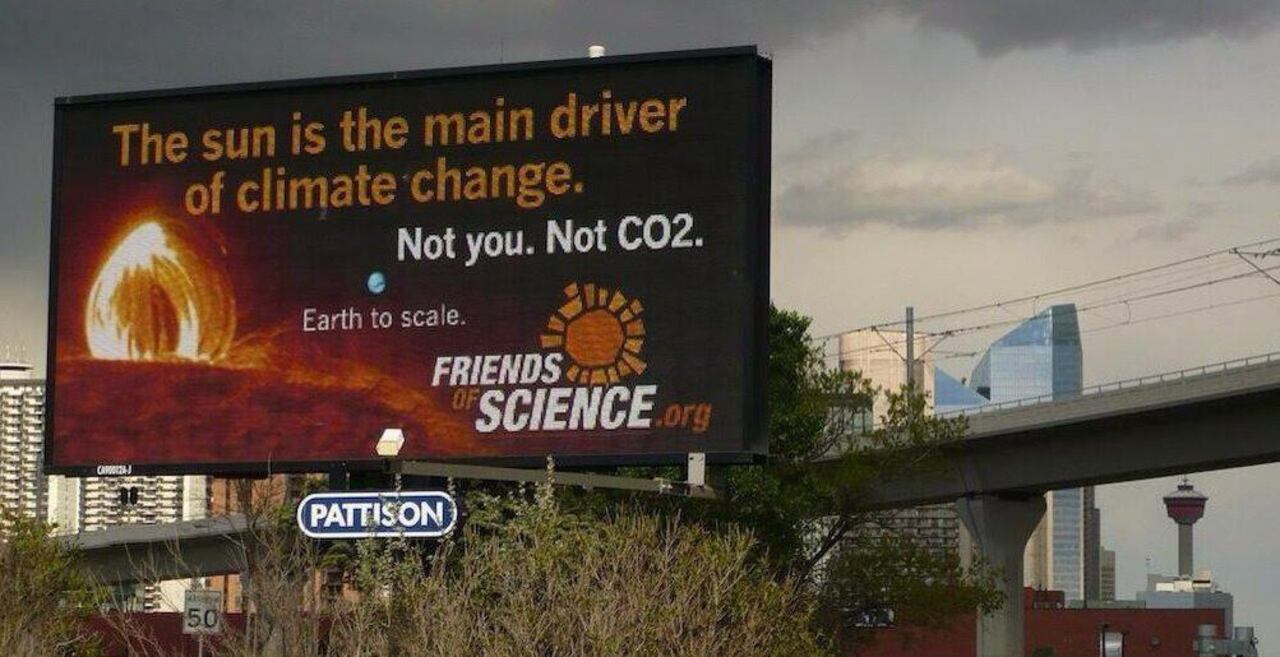
This pattern is particularly evident in climate discussions. Despite the climate crisis being one of history’s most thoroughly documented scientific issues, public understanding has frequently trailed behind the evidence. Documents reveal that certain fossil fuel companies recognized climate change risks as early as the 1950s but instead of alerting the public, some funded campaigns questioning the reality or human causes of climate change.
“The goal wasn’t necessarily convincing everyone that climate change was fictional,” explains environmental communication researchers. “Rather, creating sufficient doubt to postpone regulation and maintain business operations was often sufficient.”
These strategic disinformation efforts have evolved over time. Current tactics rarely involve outright climate denial. Instead, narratives present fossil fuel expansion as responsible or necessary, employing climate-friendly language to obscure environmental impacts. Messaging frequently appeals to national pride, energy security concerns, or economic anxieties to divert attention from emissions and biodiversity loss.
The proliferation of false claims about renewable energy, electric vehicles, and climate policies has become so widespread that the United Nations recently launched an initiative specifically targeting climate disinformation. UN Secretary-General António Guterres has warned that “coordinated disinformation campaigns are impeding global progress on climate change, ranging from outright denial to greenwashing to harassment of climate scientists.”
Individuals can take several practical steps to combat information disorders. Before sharing content that provokes strong emotions, pause and reflect—emotional triggers often characterize viral misinformation. Verify information across multiple reliable sources rather than relying on single articles or social media posts. Consider who benefits from particular messages, especially those that protect polluters or cast doubt on established climate science.
Environmental organizations like Greenpeace Canada are expanding their work to investigate environmental misinformation, track emerging narratives in real time, and develop tools helping people recognize manipulation attempts. Their research indicates that protecting climate integrity increasingly requires protecting information integrity.
As climate solutions become more urgent, the battle against misleading information grows correspondingly important. Without reliable information flows, meaningful environmental action becomes substantially more difficult to achieve—highlighting how media literacy has become an essential component of climate advocacy.
Fact Checker
Verify the accuracy of this article using The Disinformation Commission analysis and real-time sources.

12 Comments
This is a timely and important topic. Navigating the complex landscape of information, misinformation, and disinformation is a critical skill, especially when it comes to issues as vital as the climate crisis. Fact-checking and media literacy should be a priority.
Agreed. With the high stakes involved, we must be vigilant in our approach to information and its sources. Promoting transparency, accountability, and critical thinking will be key to addressing this challenge effectively.
The article raises important points about the distinction between misinformation and disinformation, and the need to be vigilant in discerning fact from fiction. This is particularly relevant in the context of the climate crisis, where accurate information is vital.
Well said. With the high stakes involved, we must be proactive in combating the spread of false or misleading information. Rigorous fact-checking and promoting reliable sources of information should be a top priority.
Navigating the truth in the climate crisis is crucial, but the rise of misinformation and disinformation makes it increasingly challenging. We need to be vigilant in distinguishing fact from fiction to make informed decisions about environmental threats.
Absolutely. The unintentional spread of misinformation can be just as harmful as intentional disinformation campaigns. Fact-checking and critical thinking are essential skills in today’s information landscape.
This is a concerning trend, as misinformation and disinformation can have significant impacts on public opinion and decision-making around environmental issues. Maintaining trust in credible sources of information is crucial.
Absolutely. The proliferation of these information disorders is a serious challenge that requires a multi-faceted approach to address. Educating the public on media literacy and critical thinking skills is an important first step.
I appreciate this in-depth look at the distinction between misinformation and disinformation. Understanding the nuances is key to addressing these complex issues, especially when it comes to high-stakes topics like the climate crisis.
Agreed. Misinformation may not be shared with malicious intent, but the consequences can still be severe. We must be diligent in verifying information before sharing, to avoid inadvertently contributing to the problem.
Interesting analysis of the growing impact of misinformation and disinformation on environmental issues. The ability to distinguish between these two concepts is crucial for making informed decisions and maintaining public trust.
Absolutely. As the article highlights, the consequences of these information disorders can be far-reaching, affecting everything from public opinion to policy decisions. Addressing this challenge will require a multifaceted approach.