


Listen to the article
UN Agency Seeks to Classify Pro-Life Views as “Misinformation,” Raising Free Speech Concerns
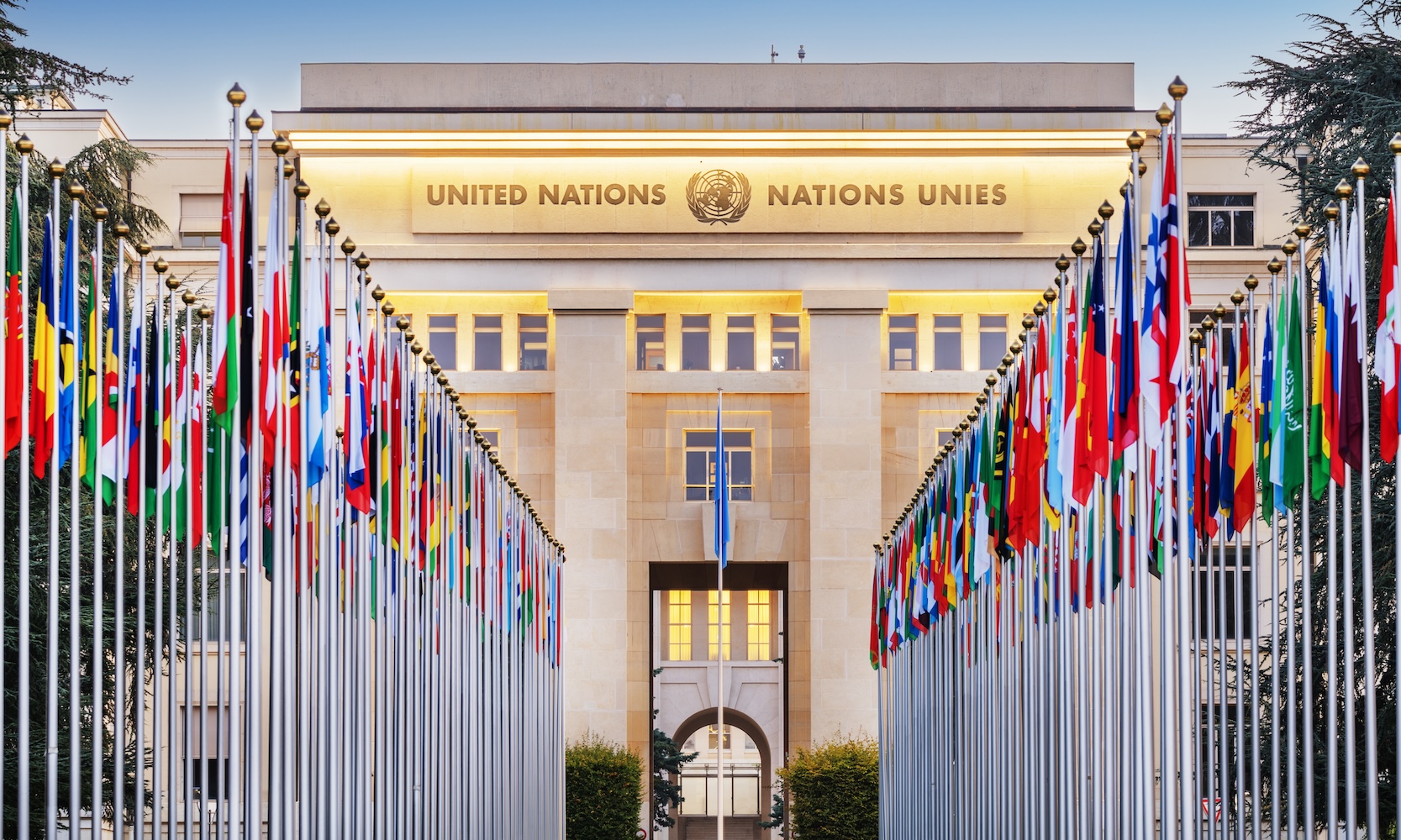
A United Nations health agency has sparked controversy by recommending that governments and digital platforms restrict pro-life speech, effectively redefining opposition to abortion as “misinformation” that should be suppressed online.
The UN’s Human Reproduction Programme (HRP), operating within the World Health Organization, published a paper arguing that content critical of abortion access constitutes a human rights violation warranting censorship, according to a report by the Center for Family and Human Rights.
The paper’s authors base their position on the claim that abortion is protected under “sexual and reproductive health and rights,” though critics point out this terminology has never been formally adopted in any binding international agreement. Instead, the document relies heavily on non-binding interpretations from UN experts and committees.
Notably absent from the paper is any acknowledgment of the landmark 1994 International Conference on Population and Development in Cairo. During this conference, participating nations explicitly agreed that abortion legislation should remain under the jurisdiction of individual governments rather than international bodies.
The HRP document defines misinformation as “false, inaccurate, or misleading information shared without intent to deceive,” while asserting that disinformation can “deliberately erode human rights protections and restrict access to evidence-based care.” Using these definitions, the paper categorizes numerous pro-life arguments as inherently misleading.
In one example, the authors cite research claiming that “inaccurate beliefs about fetal pain were linked with antiabortion views,” despite ongoing scientific and ethical debates about fetal development and pain perception. The paper appears to dismiss the complexity of these medical and ethical questions, labeling those who support abortion restrictions as “anti-choice.”
The UN document extends its criticism to prominent conservative policy initiatives, specifically targeting Project 2025—a comprehensive policy blueprint developed by conservative organizations in the United States—accusing it of attempting to “embed misinformation into federal governance.” To support this claim, the authors reference an article from Ms. Magazine, a publication with an established pro-abortion rights editorial stance.
Religious institutions also come under fire in the report. The authors criticize a Canadian Catholic hospital for blocking access to abortion clinic websites and express concern about what they describe as a “rising anti-rights movement in Ethiopia, aligned with the US Christian Right.” The paper characterizes “religious ideologies” as undermining equality, effectively framing faith-based moral convictions as obstacles to human rights rather than legitimate expressions of deeply held beliefs.
While the document acknowledges legitimate concerns about online medical misinformation such as health scams and unqualified advice on social media, it controversially places moral and religious opposition to abortion in the same category. If implemented, these recommendations would create significant pressure on social media platforms to censor viewpoints rooted in religious or ethical objections to abortion, rather than allowing open debate on the issue.
The recommendations have alarmed free speech advocates and religious organizations, who view the attempt to label moral disagreement as misinformation as a direct challenge to religious freedom and parental rights. Pro-life groups maintain that such restrictions represent not only an assault on free expression but on human life itself.
This initiative comes amid growing global tensions over abortion rights, with some nations expanding access while others implement new restrictions. The UN paper reflects a broader international debate about the balance between reproductive health policies and protections for conscience rights, religious liberty, and freedom of expression.
Fact Checker
Verify the accuracy of this article using The Disinformation Commission analysis and real-time sources.

5 Comments
Interesting to see the UN take a stance on this issue. While free speech concerns are valid, the agency seems to be focusing on curbing misinformation around abortion access. It will be important to carefully examine their recommendations and ensure a balanced approach.
This is a complex and sensitive topic. I can understand the UN’s desire to ensure access to accurate information, but suppressing certain views could set a concerning precedent. Hopefully any proposed restrictions will be narrow and well-justified.
The paper’s reliance on non-binding UN interpretations rather than formal agreements is concerning. Abortion legislation remains a hotly debated issue globally, and I’m not sure the UN is well-positioned to dictate how countries handle it, especially around free speech.
While the goal of combating misinformation is understandable, censoring certain viewpoints on a sensitive topic like abortion raises red flags. I hope the UN takes a very measured and transparent approach as this issue develops.
It’s good to see the agency acknowledge the Cairo conference, which affirmed national sovereignty on this issue. I’m curious to learn more about their specific recommendations and how they plan to balance public health concerns with fundamental rights like free expression.