


Listen to the article
Dubai Authorities Warn Content Creators Against Posting “Misinformation” About Iran Conflict
Content creators in Dubai face potential imprisonment and hefty fines for posting what authorities deem “misinformation” regarding the ongoing Iran conflict, according to officials in the United Arab Emirates.
The UAE’s public prosecution office issued a stern warning shortly after the recent US and Israeli strikes on Iran, stating that any content considered harmful to “public order,” “national unity,” or the country’s reputation could result in severe penalties. These include prison sentences and fines up to $77,000 (£58,000).
The warning specifically cautioned against “publishing or circulating rumours and information from unknown sources through social media platforms or any other technological means,” adding that such activity risks “the spread of confusion and harm to the security and stability of society.”
This crackdown comes after Dubai was directly impacted by the regional conflict over the weekend when fragments from intercepted Iranian missiles landed across the city. Debris struck several prominent locations, including the Fairmont hotel on Palm Jumeirah, where footage showed flames erupting from the building’s atrium. The following morning, Dubai International Airport was also hit by missile fragments.
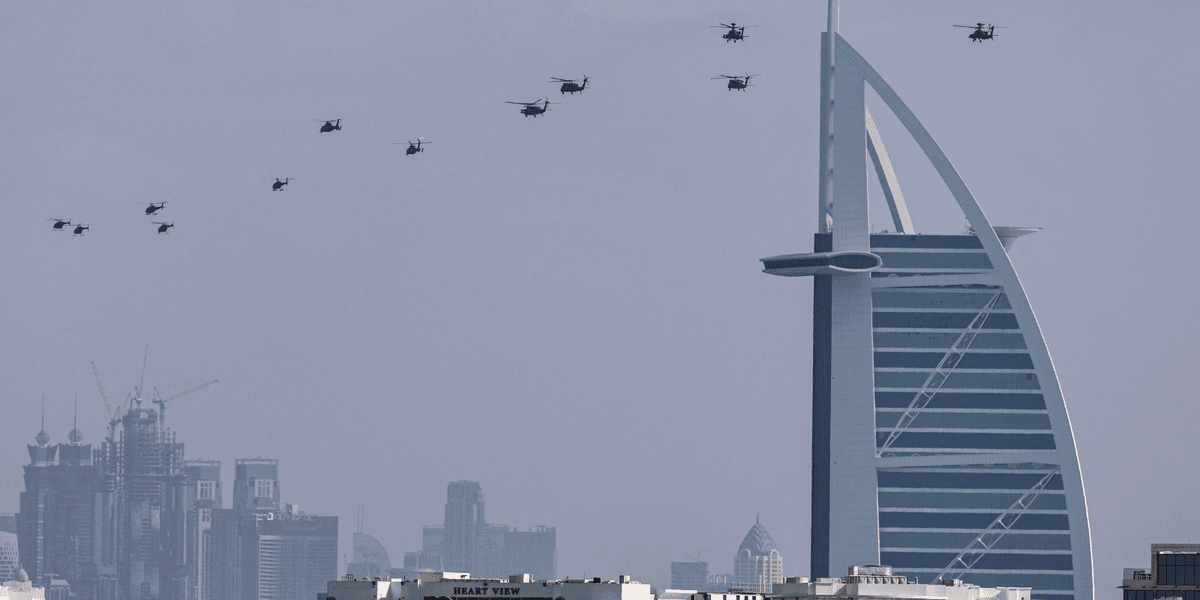
According to local reports, shrapnel damaged other significant sites including the iconic Burj Al Arab, the Port of Jebel Ali, and various civilian areas throughout the city.
One lifestyle influencer with millions of Instagram followers told The Telegraph she deleted footage of burning debris filmed outside her apartment after an Iranian missile was intercepted overhead on Saturday. Speaking anonymously, she said, “The Dubai authorities want to control the narrative, that’s for sure. There are strict rules about what you can say here.”
She described feeling “numb” when witnessing the flames, adding, “I didn’t know how to feel because at first, I didn’t know what I was looking at.” Despite the tension, she noted that life has begun returning to normal, with people once again visiting the beaches.
The UAE’s regulations appear to have prompted widespread self-censorship among influencers, particularly those benefiting from Dubai’s “Creators HQ” visa scheme, which offers sponsor-free permits for content creators. The emirate has positioned itself as a global hub for digital content creation in recent years, attracting thousands of international influencers and social media personalities.
Officials emphasized that individuals who share or repost unverified information could face legal consequences “even if they are not the original creator of such content,” effectively holding resharing as potentially criminal. “Be aware and informed. Information is a responsibility, and spreading rumours is a crime,” the statement noted.
Campaign group Detained in Dubai, which has represented foreign nationals prosecuted over social media posts in the past, warned that visitors may unknowingly break these laws. The group’s chief executive Radha Stirling cautioned: “Visitors are particularly vulnerable because they often assume they are protected by their home country’s standards of free speech. They are not.”
Stirling specifically highlighted risks for travelers stranded due to airport disruptions, noting that complaints about evacuation delays posted online could result in prosecution. “There is a real risk that well-meaning visitors stranded in the UAE will be inadvertently breaking the law,” she said.
This development underscores the UAE’s strict approach to information control during crises, even as the country works to maintain its reputation as a stable business and tourism hub amid regional tensions. For the thousands of content creators who have made Dubai their base, navigating these regulations presents a significant challenge as they balance their online presence with local legal requirements.
Fact Checker
Verify the accuracy of this article using The Disinformation Commission analysis and real-time sources.

10 Comments
Interesting to see the UAE clamping down on misinformation related to the Iran conflict. While free speech is important, I can understand the desire to maintain public order and stability during a tense regional situation.
Agree, controlling the spread of unverified information is crucial to prevent panic and confusion. The authorities seem intent on taking a firm stance on this issue.
The UAE’s warning to Dubai influencers highlights the challenges governments face in the social media era. Controlling the spread of misinformation is crucial, but heavy-handed tactics could backfire and draw more attention to the issue.
Exactly. The authorities will need to find a nuanced approach that effectively addresses misinformation without appearing to overly restrict legitimate speech and debate. It’s a delicate balance.
It’s understandable that the UAE would want to crack down on misinformation related to the Iran conflict, given the potential impact on public order and the country’s reputation. However, this crackdown could also raise concerns about censorship and free speech.
That’s a fair point. There’s always a balance to strike between maintaining stability and preserving fundamental freedoms. The authorities will need to apply these measures carefully to avoid overreach.
The penalties for spreading misinformation seem quite severe – imprisonment and hefty fines. I suppose the UAE is trying to send a strong message and discourage influencers from carelessly amplifying unverified claims.
Yes, the UAE is clearly taking this matter very seriously. Influencers wield significant power to shape public opinion, so the government likely wants to ensure they exercise that responsibly during a sensitive geopolitical situation.
This crackdown on misinformation related to the Iran conflict raises important questions about the role of social media influencers and the power they wield to shape public discourse. The UAE’s response demonstrates the high stakes involved in such matters.
Well said. The UAE is clearly taking a strong stance, but it will be interesting to see how this plays out and whether the approach proves effective in curbing the spread of harmful misinformation.