


Listen to the article
UAE Arrests 35 Individuals for Spreading Misinformation Amid Regional Tensions
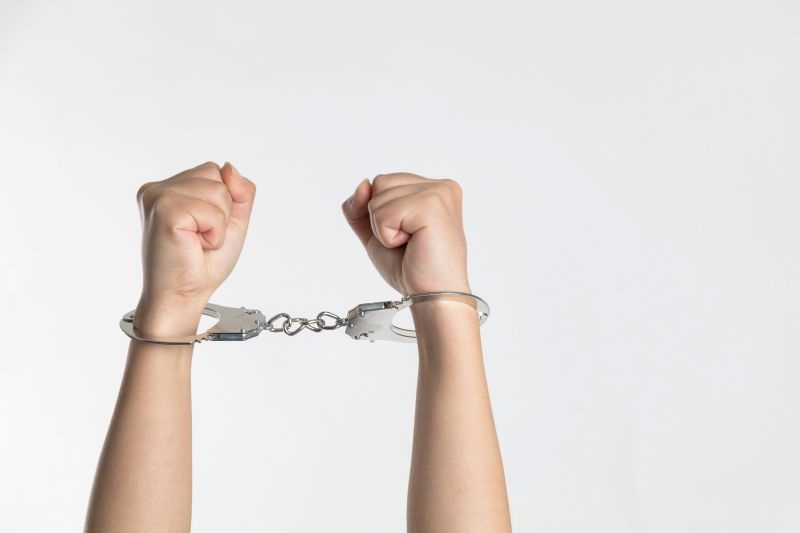
Authorities in the United Arab Emirates have ordered the arrest of 35 individuals, including 19 Indians, for publishing misleading and fabricated content on social media platforms amid escalating regional tensions related to the Israel-US-Iran conflict.
The UAE’s official news agency, Wam, reported on Sunday that the accused have been referred for an expedited trial. This latest enforcement action includes 25 individuals of various nationalities, with 17 Indians among them, who were listed under different sections. This follows Saturday’s arrest orders for 10 people, including two Indians.
According to Attorney-General Dr. Hamad Saif Al Shams, the arrests are the result of rigorous monitoring of digital platforms aimed at combating the spread of fabricated information and artificial content intended to incite public disorder and undermine stability in the Emirates.
“Investigations and electronic monitoring revealed that the defendants were divided into three groups that committed various acts,” stated the Attorney-General. “These included the publication of real clips related to current events, the fabrication of clips using AI, and the promotion of a state practising acts of military aggression while glorifying its leadership and military actions.”
The first group of 10 accused, comprising five Indians, one Pakistani, one Nepali, two Filipinos, and one Egyptian, allegedly published and circulated authentic video clips documenting missile interceptions in UAE airspace. The authorities claim these individuals added commentary and sound effects suggesting active aggressions, potentially inciting public anxiety and panic. Officials expressed concern that such footage risked exposing defensive capabilities and enabling hostile actors to promote misleading narratives.
The second group of seven individuals—five Indians, one Nepali, and one Bangladeshi—is accused of publishing fabricated visual content created through artificial intelligence or recirculating footage of incidents from outside the country while falsely claiming they occurred within UAE territory. According to authorities, these clips contained synthetic scenes of explosions and missiles, often featuring national flags or specific dates to lend credibility to false claims.
The third group of six accused, including five Indians and one Pakistani, allegedly published content glorifying a hostile state and its political and military leadership, promoting its regional military operations as achievements. This involved praising leaders of that state and recirculating propaganda that authorities claim serves hostile media discourse and harms UAE national interests.
Two additional Indian nationals face charges for similar offenses, according to the official statement.
The UAE’s crackdown comes at a time of heightened tension in the Middle East, with regional powers increasingly concerned about the potential for misinformation to exacerbate conflicts or create panic among civilian populations. The Gulf nation has strict laws governing social media use, particularly regarding content that could affect national security or social stability.
Attorney-General Shamsi noted that the offenses constitute crimes punishable by imprisonment for a period of no less than one year and a fine of no less than AED 100,000 (approximately USD 27,000).
“Such events have been exploited to disseminate misinformation intended to deliberately mislead the public while undermining national security, order and stability,” he stated.
The prosecutor further detailed that some defendants had circulated AI-generated footage falsely suggesting explosions, strikes on prominent landmarks, or large fires with rising smoke across various areas of the UAE. Some incidents allegedly involved exploiting children’s emotions in videos falsely implying security threats.
This enforcement action reflects growing concerns across Gulf states about the potential impact of misinformation during periods of regional instability, particularly as artificial intelligence makes the creation of convincing fake content increasingly accessible to the public.
Fact Checker
Verify the accuracy of this article using The Disinformation Commission analysis and real-time sources.

6 Comments
The arrest of 35 individuals, including a number of Indians, for spreading misleading information online highlights the global nature of this issue. Fact-checking and content moderation remain critical priorities for governments and tech platforms.
With the prevalence of social media, the potential for misinformation to sow discord is concerning. I hope the UAE’s actions serve as a deterrent and encourage more responsible digital practices.
Interesting to see the UAE cracking down on misinformation and social media manipulation. Regulating the spread of false or inflammatory content is a complex challenge, but important for maintaining stability and public trust.
The crackdown on 35 individuals for spreading misinformation underscores the seriousness with which the UAE is addressing this issue. Monitoring and regulating digital platforms to curb the dissemination of false narratives is a complex but necessary task.
This action by UAE authorities underscores the heightened regional tensions and the need to combat the weaponization of digital media. Maintaining factual, objective reporting is crucial during such sensitive geopolitical situations.
As the global information landscape becomes more complex, I wonder what other measures countries might take to address the challenge of misinformation. A nuanced, multifaceted approach seems necessary to effectively curb the spread of false narratives.