


Listen to the article
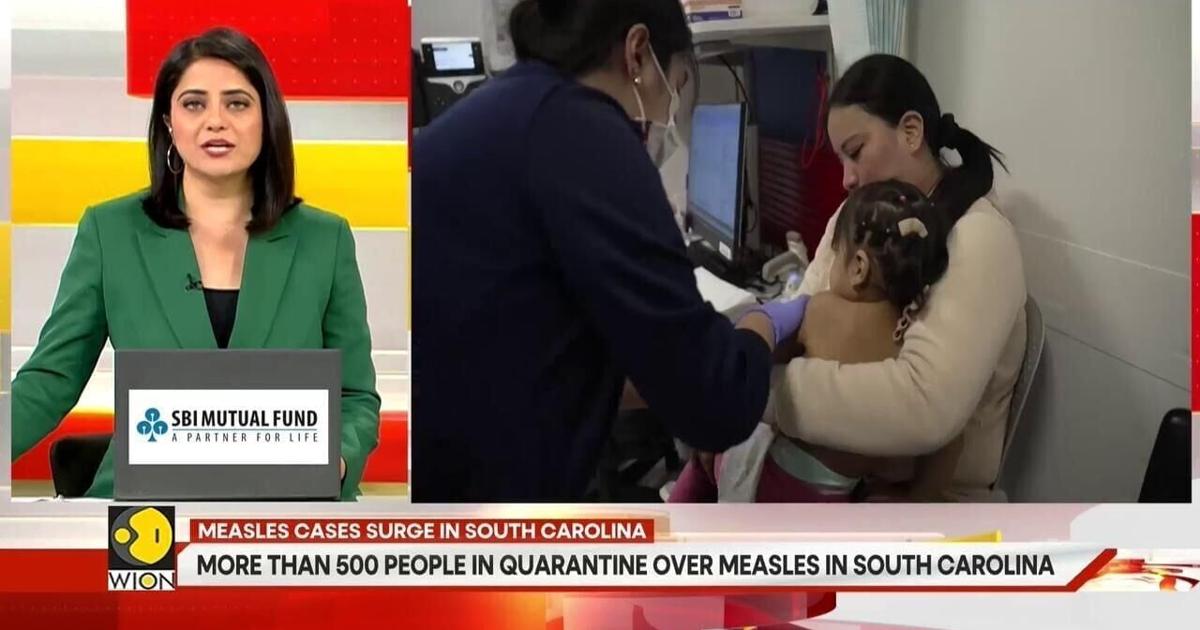
In a troubling trend that has health officials deeply concerned, the United States faces a growing risk of losing its measles elimination status as vaccine hesitancy continues to gain traction across the country. The resurgence of this highly contagious disease, once declared eliminated in the U.S. in 2000, highlights the dangerous consequences of declining vaccination rates.
Recent outbreaks have put a spotlight on communities where anti-vaccine sentiment has taken hold. Public health experts point to a perfect storm of factors: the proliferation of misinformation on social media, growing distrust in medical institutions, and the fading public memory of measles’ severity before widespread vaccination began in the 1960s.
“We’re seeing the direct results of vaccine misinformation,” said Dr. Eleanor Jameson, an infectious disease specialist at Columbia University. “When vaccination rates drop below 95% in a community, we lose the herd immunity that protects the most vulnerable among us – infants too young for vaccines, pregnant women, and immunocompromised individuals.”
The Centers for Disease Control and Prevention (CDC) has documented a concerning uptick in measles cases this year, with clusters appearing in areas where vaccination rates have fallen below the critical threshold. These outbreaks typically begin when an unvaccinated person travels internationally to a region with high measles prevalence and returns to a community with low immunization rates.
Measles is particularly dangerous because of its extreme contagiousness – one infected person can spread the virus to 90% of unvaccinated people nearby. The disease can lead to serious complications including pneumonia, encephalitis, and even death, especially in young children.
The World Health Organization (WHO) grants “measles elimination status” to countries that have interrupted endemic measles transmission for at least 12 months. The United States achieved this milestone in 2000 after decades of concerted vaccination efforts. However, this status can be revoked if endemic transmission resumes.
“Losing our elimination status would be more than symbolic,” explained Dr. Marcus Chen, epidemiologist at the National Institute of Allergy and Infectious Diseases. “It would represent a significant public health failure and signal that we’ve allowed preventable disease to regain a foothold in our population.”
The economic impact of measles outbreaks is substantial. Each case requires extensive contact tracing, quarantine measures, and public health response, costing thousands of dollars. A 2019 outbreak in Clark County, Washington resulted in public health expenditures exceeding $2.3 million for just 71 cases.
School districts nationwide are grappling with how to balance personal belief exemptions against public health requirements. Several states have tightened vaccine requirements for school entry in response to recent outbreaks, eliminating non-medical exemptions. These policy changes have faced both support and fierce opposition.
Meanwhile, social media companies continue to struggle with their role in spreading vaccine misinformation. Despite policy changes aimed at reducing the reach of anti-vaccine content, misinformation continues to circulate widely on major platforms.
Dr. Samantha Wolfe, who studies vaccine hesitancy at Johns Hopkins University, believes addressing the problem requires more than just facts. “We need to recognize that vaccine decisions are influenced by complex social factors. Building trust is essential, and that means listening to concerns without judgment while still being clear about the overwhelming evidence for vaccine safety and efficacy.”
Public health officials are increasingly adopting community-based approaches, working with trusted local leaders to address specific concerns in hesitant communities. These targeted interventions have shown promise in rebuilding confidence in vaccines.
As the situation evolves, health departments across the country have ramped up vaccination campaigns and outbreak preparedness. The CDC has issued updated guidance for healthcare providers on recognizing and responding to potential measles cases.
“This is a preventable crisis,” emphasized CDC Director Dr. Rebecca Wilson. “The MMR vaccine is one of our most effective and safest medical interventions. The science is clear – the benefits vastly outweigh the risks.”
With global measles cases rising by nearly 80% in the past year according to WHO data, the threat to America’s elimination status remains very real – and entirely preventable through sustained vaccination efforts.
Fact Checker
Verify the accuracy of this article using The Disinformation Commission analysis and real-time sources.

10 Comments
The resurgence of measles is deeply concerning. Vaccine hesitancy fueled by misinformation poses a serious threat to public health. We need to find effective ways to restore trust in science and medical institutions.
Agreed. Herd immunity is essential, and it’s alarming to see vaccination rates drop below the necessary threshold. This is a complex issue, but we must act decisively to address it.
Losing our measles-free status would be a major setback. Vaccine misinformation is a real and dangerous problem that we need to tackle head-on. Educating the public and countering false narratives should be a top priority.
Absolutely. Measles is a highly contagious disease that can have severe consequences, especially for vulnerable populations. We must do everything in our power to maintain high vaccination rates and protect public health.
This is a worrying trend. Vaccine hesitancy is putting us at risk of losing our measles-free status, which is a major public health achievement. We need a concerted effort to educate the public and combat the spread of misinformation.
You’re right, it’s critical that we don’t let misinformation erode the progress we’ve made. Maintaining high vaccination rates is key to protecting the most vulnerable in our communities.
I’m concerned to see the resurgence of measles in the US. It’s a preventable disease, and the drop in vaccination rates is alarming. We need to find ways to restore trust in medical institutions and counter the spread of misinformation.
Absolutely. Measles can be a serious, even deadly, illness. Maintaining high vaccination rates is crucial to public health. I hope the CDC and other authorities can effectively address this challenge.
This is a serious issue that needs to be addressed. Vaccine misinformation is putting vulnerable populations at risk and undermining public health. It’s critical that we combat these false narratives with facts and science.
Agreed. Herd immunity is key to protecting those who cannot be vaccinated. We must do more to educate the public on the safety and importance of vaccines.