


Listen to the article
Tech Researchers Sue Trump Administration Over “Censorship Policy”
A coalition of technology researchers has filed a lawsuit against the Trump administration, challenging a travel ban imposed on individuals who work to combat disinformation and hate speech on social media platforms.
The Coalition for Independent Technology Research filed the suit in the U.S. District Court for the District of Columbia, arguing that the policy violates the First Amendment by targeting researchers for their work studying online harms and advocating for content moderation policies.
According to court documents, the State Department in December denied entry to five foreign researchers and threatened to deport a larger group of individuals if they “do not reverse course.” Two of those affected are leaders of the coalition’s member organizations.
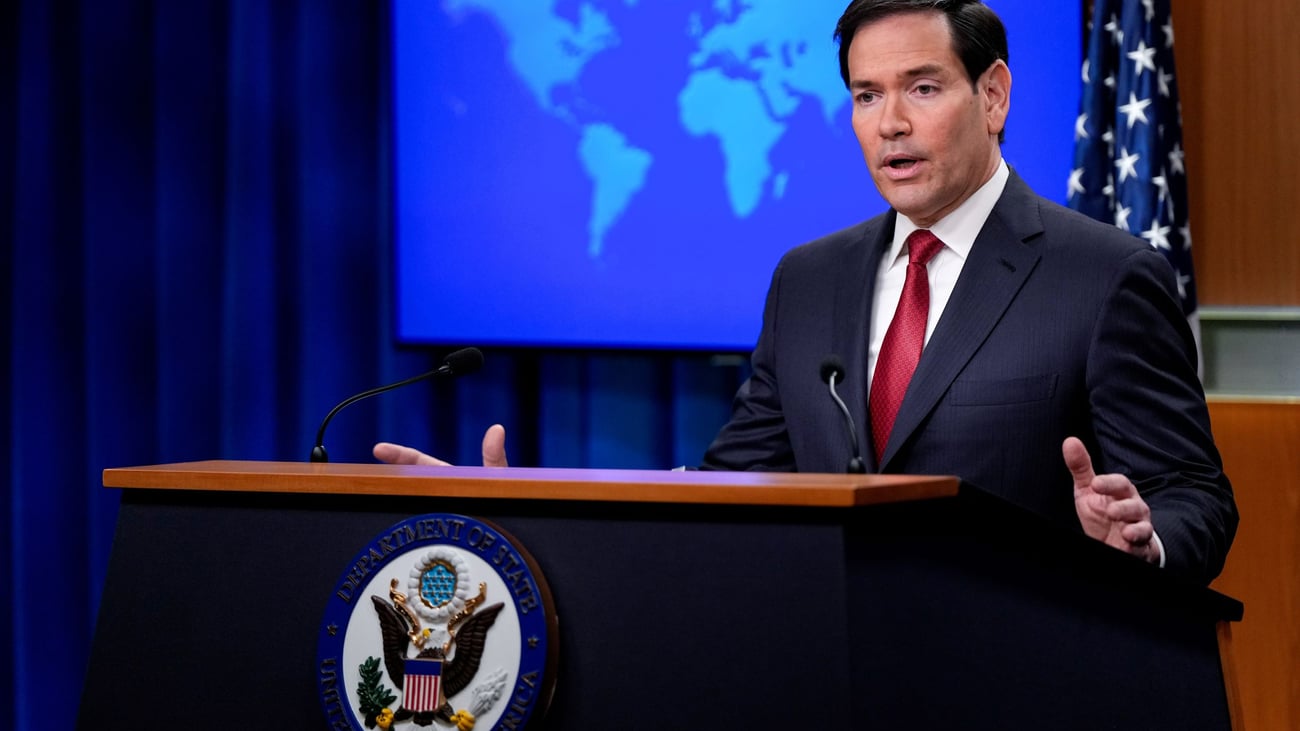
Secretary of State Marco Rubio explicitly warned that the State Department was “ready and willing to expand” the list of targeted individuals if others continued their work. The coalition asserts this has created a chilling effect among its non-citizen members.
“The Trump administration is using the threat of detention and deportation to suppress speech it disfavors,” said Carrie DeCell, attorney for the case and legislative adviser at the Knight First Amendment Institute. “By targeting researchers and advocates for their work studying and reporting on social media platforms and online harms, the policy chills protected speech and distorts public debate about issues of profound public importance.”
The lawsuit contends that the administration has mischaracterized the researchers’ work as “censorship” when in fact they are engaged in protected expressive activities, including studying internet platforms and discussing content moderation policies.
The impact on the research community has been immediate and severe. Coalition members who are not U.S. citizens have reportedly abandoned research projects, declined speaking engagements, limited public involvement with the organization, and in some cases are planning to leave the country altogether.
The coalition draws parallels between this policy and the administration’s broader deportation campaign, noting cases like those of Mahmoud Khalil and Rumeysa Ozturk, who faced deportation for pro-Palestinian advocacy before receiving temporary court intervention.
Specifically, the lawsuit alleges viewpoint discrimination, claiming the policy targets researchers who have criticized platforms with lax content moderation policies, particularly those who have spoken out against changes at X (formerly Twitter) since Elon Musk’s acquisition of the platform.
“Researchers who help everyday people understand the impacts of Big Tech are scared that they and their families will be targeted for detention and deportation under this policy,” said Brandi Geurkink, executive director of the coalition. “This policy is meant to censor researchers into silence and keep the public in the dark, and that’s exactly what it’s doing.”
The lawsuit references the Supreme Court’s 2024 decision in Netchoice v. Moody, where justices allowed Texas and Florida to maintain content moderation limits on social media sites. The coalition argues that this case established that the government has no legitimate interest in punishing private actors who advocate for particular content moderation policies.
The case highlights growing tensions between the administration and the tech research community at a time when artificial intelligence and other emerging technologies are playing increasingly significant roles in society. Independent researchers argue their work is essential for public understanding of these powerful platforms and their societal impacts.
The lawsuit comes amid heightened scrutiny of social media platforms’ content moderation practices, which have become deeply politicized. Many conservatives have alleged bias in how platforms enforce their rules, while researchers and advocacy groups have raised concerns about the spread of misinformation and hate speech online.
The court has not yet scheduled hearings in the case.
Fact Checker
Verify the accuracy of this article using The Disinformation Commission analysis and real-time sources.

10 Comments
This seems like a concerning overreach by the government that threatens to undermine important research and advocacy on online harms and disinformation. I hope the courts will see this policy as a clear violation of the First Amendment.
It’s alarming to see the government trying to limit access for foreign researchers studying critical issues like online hate and misinformation. This appears to be a dangerous move to stifle important work and transparency.
Absolutely. Clamping down on researchers in this way will only hinder our ability to combat the very real and growing problems of disinformation and extremism online. I hope the lawsuit is successful in overturning this misguided policy.
Restricting foreign researchers who study online misinformation and hate speech is a troubling move that appears to violate free speech principles. This kind of censorship will only hinder efforts to understand and address these critical issues.
Absolutely. Researchers play a vital role in shedding light on the complex challenges of the digital public sphere. Targeting them in this way is a concerning attempt to limit transparency and discourse on these important topics.
This seems like a concerning overreach by the government. Restricting the free flow of information and research on online harms and disinformation is deeply troubling. I hope the courts see this policy as a clear violation of the First Amendment.
Agreed. Researchers play a vital role in understanding and addressing the complex challenges of misinformation online. Targeting them for their work is an attack on free speech and open discourse.
This is a concerning development. Restricting the ability of foreign researchers to study online harms and advocate for content moderation policies seems like a clear violation of free speech principles. I hope the courts intervene to protect this important work.
Targeting researchers in this way is a troubling attempt to censor and suppress important work on critical issues facing the digital public sphere. I hope the courts see this policy for what it is – an unconstitutional attack on free expression.
Agreed. Researchers play a vital role in understanding and addressing online harms. Trying to limit their access and work is deeply concerning and will only hamper efforts to combat the very real problems of misinformation and extremism online.