


Listen to the article
Government’s Growing Power to Shape Online Speech Raises Alarm
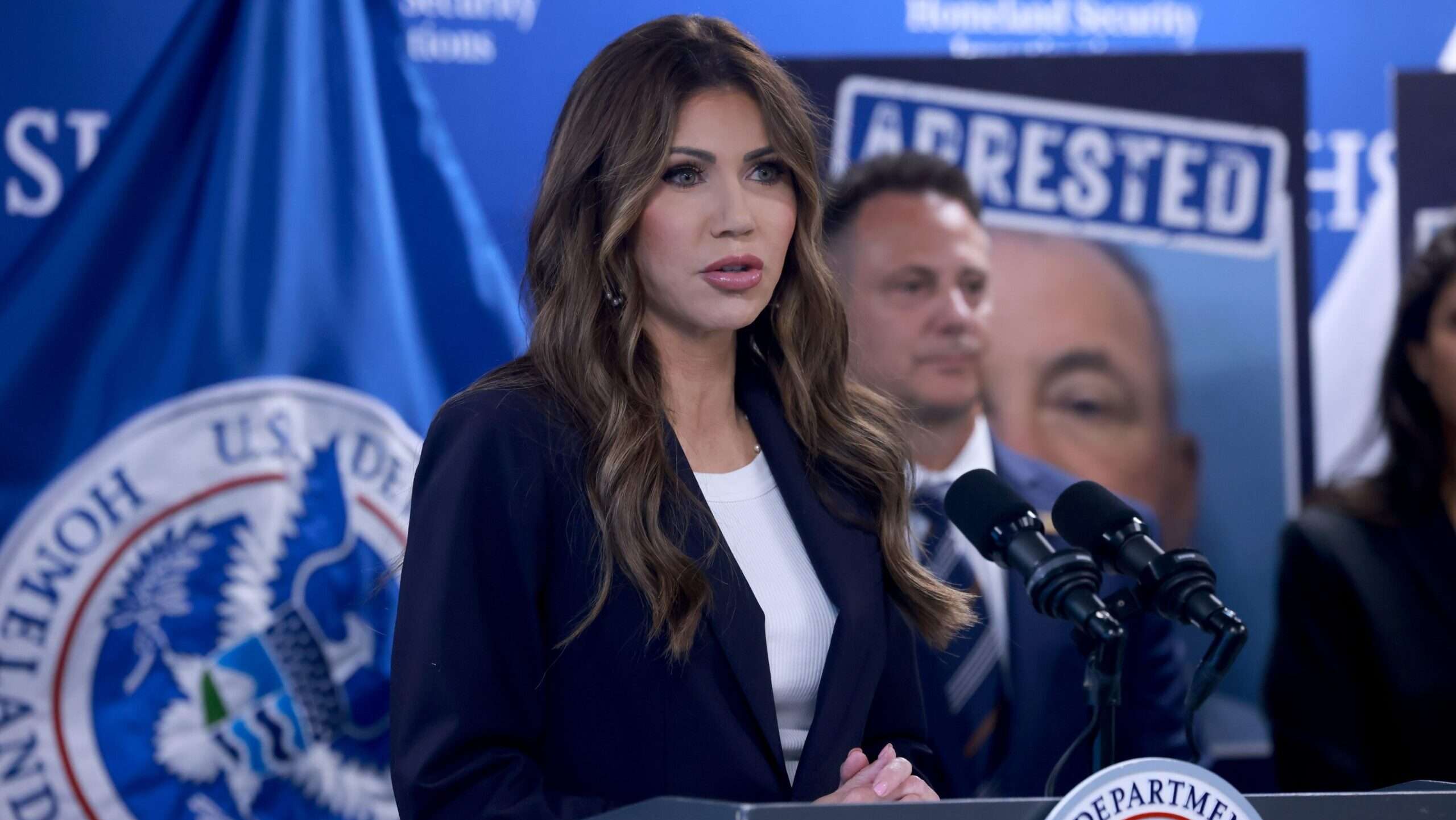
The Department of Homeland Security (DHS) recently raised concerns over alleged “lies, smears and AI deepfakes” designed to mislead Americans about President Trump’s immigration agenda. When questioned about potential coordination with social media platforms to counter this perceived misinformation, a DHS spokesperson confirmed, “Yes and we are also putting resources forward to ensure DHS combats this.”
The irony is striking. During the Biden administration, Trump and his Republican allies vehemently opposed government efforts to pressure platforms to police misinformation. Now in power, the Trump administration appears to have embraced the same tactics it once condemned.
This policy reversal has created an unexpected role reversal as well. Many liberals who previously supported government intervention against misinformation now find themselves alarmed at the prospect of the Trump administration wielding such power to potentially suppress speech it disagrees with.
At stake is a fundamental question: Should any administration, regardless of political affiliation, have the authority to determine what constitutes permissible speech online?
Constitutional scholars point to a practice known as “jawboning” – when government officials pressure private companies to censor content without explicitly ordering them to do so. Since the First Amendment prohibits direct government censorship, officials often resort to behind-closed-doors demands backed by implicit threats of regulatory consequences for non-compliance.
“Because the government wields so much power over businesses, these companies understand they are in a weak position to resist,” explains one digital rights advocate familiar with the situation.
The Biden administration’s efforts to combat COVID-19 “misinformation” eventually led to the Supreme Court case Murthy v. Missouri. While the Court ruled that individual social media users lacked standing to sue, internal communications from tech companies revealed executives felt pressured to comply with administration requests. Meta leaders privately acknowledged they needed to change policies because they had “bigger fish to fry with the Administration,” while YouTube executives noted they needed to keep Biden officials happy to “work closely with the administration on multiple policy fronts.”
The Supreme Court did, however, affirm in NRA v. Vullo that government jawboning is unconstitutional – a principle the Trump administration now appears to be testing.
Recent actions suggest a concerning pattern. Apple removed an app allowing users to report ICE officer sightings in real-time. Following complaints from Attorney General Pam Bondi, Meta deleted a Facebook group sharing information about ICE agents, citing violations of its “policies against coordinated harm.” Now, DHS openly admits to communicating with social media companies about immigration “misinformation.”
“It would be naive to suppose it hasn’t applied any pressure during those talks,” notes a civil liberties attorney who requested anonymity to speak freely.
The secretive nature of these communications makes accountability difficult. Unlike FCC Chairman Brendan Carr’s public threats against Jimmy Kimmel following comments about Charlie Kirk – which prompted widespread backlash – most government-platform interactions happen away from public scrutiny.
Transparency advocates propose requiring all government officials to report any requests or suggestions related to content moderation. Such communications could be compiled in a public database maintained by the Office of Management and Budget, with provisions for protecting genuinely sensitive information.
“Such a requirement would immediately discourage jawboning by forcing officials to operate in the open,” argues a digital rights researcher. “And when they step over the line, there would finally be a public record to support legal action.”
The immigration debate highlights how the definition of “misinformation” often splits along partisan lines – similar to COVID-19 discussions, where conservatives raised concerns about vaccine safety while progressives sometimes exaggerated virus threats to justify restrictions.
The lesson is becoming increasingly clear: when government gains power to police information, perspectives that challenge official narratives risk being silenced – regardless of which party holds power.
“Those on the left are alarmed to see those same powers invoked by a president they oppose,” observes a political analyst. “Transparency about government contacts with platforms is essential to prevent secret censorship, and more speech—not enforced silence—is how we resolve disagreements in a free society.”
Fact Checker
Verify the accuracy of this article using The Disinformation Commission analysis and real-time sources.

11 Comments
This is a troubling development that raises serious questions about the government’s growing power to influence online discourse. We must be cautious about allowing any administration, regardless of party, to determine what information is ‘permissible’.
This policy reversal by the Trump administration is quite concerning. The power of the government to shape online speech is a dangerous precedent, regardless of political affiliation. We should be wary of any administration trying to determine what is ‘permissible’ speech.
This policy reversal by the Trump administration is highly problematic. Regardless of political affiliation, we should be alarmed by any government efforts to censor or shape online speech. Protecting free expression must be a non-partisan priority.
The Trump administration’s embrace of these tactics they once criticized is deeply concerning. We cannot allow any administration, Democrat or Republican, to wield such power over online discourse. Principles of free speech must come before political expediency.
Absolutely. Consistency in defending free expression is crucial, even when it’s politically inconvenient. This policy reversal by Trump raises serious questions about the government’s growing influence over online speech.
It’s quite troubling to see the Trump administration adopt the very tactics they previously condemned. Regardless of one’s political leanings, we should all be concerned about the government’s growing power to shape online discourse. Protecting free speech must be a non-partisan priority.
The irony of the Trump administration now embracing the same censorship tactics they once criticized is palpable. This policy reversal underscores the need for steadfast principles around free expression, not political opportunism. We must remain vigilant in safeguarding the free exchange of ideas.
The irony here is palpable. It’s concerning to see the Trump administration embrace the very tactics they previously decried. We need to uphold principles of free speech and be wary of government overreach, no matter which party is in power.
Well said. Consistency in defending free expression is crucial, even when it’s inconvenient politically. This policy reversal undermines credibility and raises valid concerns about potential abuse of power.
It’s ironic that Trump is now employing the same tactics he previously criticized when used by Biden. This underscores the need for consistent principles around free speech, not political opportunism.
Exactly, it’s a slippery slope when any administration tries to censor speech they disagree with. We should be vigilant in protecting the free exchange of ideas, even if we don’t like what’s being said.