


Listen to the article
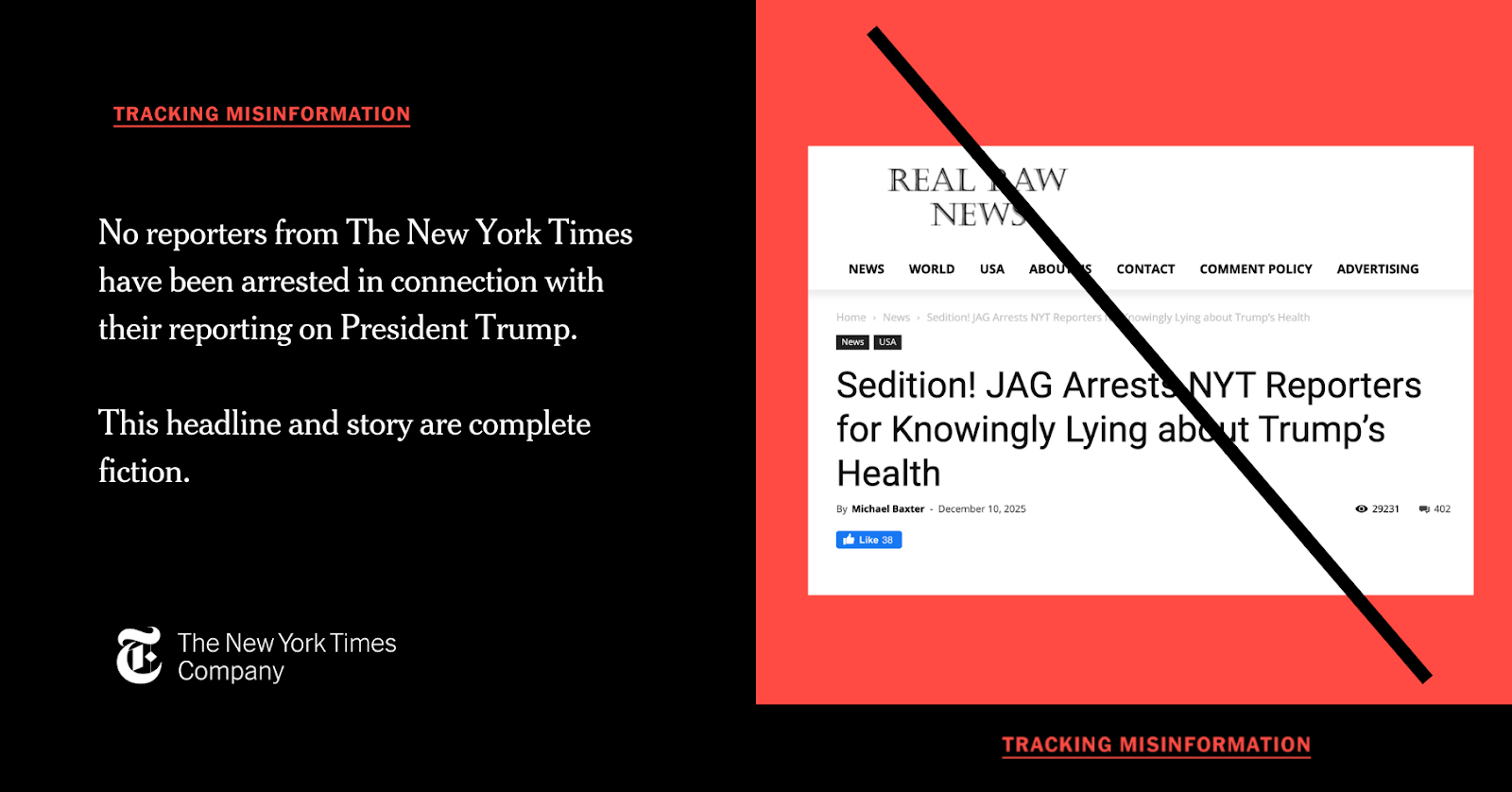
In the aftermath of recent high-profile events, a troubling pattern of misinformation regarding mass arrests has emerged across social media platforms, sowing confusion among the public and complicating efforts by authorities to communicate accurate information.
Law enforcement officials from multiple jurisdictions have been forced to publicly refute false claims that spread rapidly online, particularly on platforms like X (formerly Twitter), Facebook, and TikTok. These fabricated stories typically follow a similar template: allegations of dozens or hundreds of arrests that were never actually made, often accompanied by doctored images or out-of-context video clips.
“What we’re seeing is a concerning acceleration of arrest-related misinformation,” said Dr. Eleanor Simmons, a media researcher at the Center for Digital Media Analysis. “These false claims tap into existing anxieties and political divisions, making them particularly potent and shareable.”
The phenomenon crosses political lines. In one recent instance, claims circulated that over 300 protesters had been arrested during an environmental demonstration in Portland. Local police quickly issued statements confirming only 12 actual arrests had occurred. Similar fabricated accounts emerged following political rallies in Atlanta, Chicago, and Phoenix over the past month.
Social media platforms have struggled to contain the spread of these false narratives. Despite content moderation policies designed to flag or remove demonstrably false information, the claims often circulate for hours or days before being addressed, by which time they’ve already reached millions of users.
“The platforms face a significant challenge,” explained Marcus Chen, digital policy expert at the Technology and Democracy Institute. “The claims often originate from accounts with large followings and high engagement, making platforms reluctant to take swift action for fear of appearing politically biased or heavy-handed.”
The consequences of such misinformation extend beyond mere confusion. Law enforcement agencies report diverting valuable resources to address public inquiries about nonexistent mass arrests. Community relations, already strained in many areas, suffer further damage when false information circulates unchecked.
“When people believe hundreds of individuals have been unjustly arrested, it erodes trust in police and the justice system,” said Captain Renee Washington of the Metropolitan Police Department. “We’ve had to establish rapid response teams specifically to monitor and address misinformation about our activities.”
Media literacy experts point to several warning signs that can help identify potentially false arrest claims. These include suspiciously round numbers (like exactly 500 arrests), absence of specific details about processing locations or charges, and lack of corroboration from established news organizations or official sources.
“The arrest narrative is particularly effective because it’s difficult for the average person to immediately verify,” noted journalism professor Thomas Ramirez. “Unlike a natural disaster or public event where many witnesses can contradict false claims, arrests happen out of public view, making the process opaque to most citizens.”
Some communities have developed innovative approaches to counter the problem. In Seattle, the police department now maintains a dedicated “Rumor Control” section on its website, updating in real-time during major events to provide accurate arrest figures and refute circulating falsehoods.
Technology companies have also begun exploring more proactive measures. Meta recently announced enhanced fact-checking partnerships specifically focused on law enforcement-related claims, while Google has adjusted its algorithm to prioritize official sources when users search for information about arrests or detainments.
Experts emphasize that responsibility ultimately lies with individual users to verify information before sharing it. “Before reposting claims about mass arrests, take a moment to check official sources or established news outlets,” advised media literacy educator Sophia Williams. “If the information isn’t confirmed by multiple credible sources, it’s best to wait for verification rather than potentially amplifying falsehoods.”
As political tensions continue to run high across the country, the challenge of combating arrest-related misinformation is likely to remain significant, requiring ongoing vigilance from platforms, authorities, and citizens alike.
Fact Checker
Verify the accuracy of this article using The Disinformation Commission analysis and real-time sources.

7 Comments
Arrest-related misinformation crosses political lines, which makes it even more concerning. These false claims appear to be a widespread phenomenon that requires a concerted effort to identify and debunk them.
Fabricated stories with doctored images are particularly pernicious. It’s worrying how they can tap into existing anxieties and political divides to make them more shareable. Rigorous verification of information is needed to counter this.
This is a troubling trend of misinformation around arrests. It’s concerning to see these false claims spreading rapidly online and sowing confusion. Fact-checking and clear communication from authorities will be crucial to combat this.
The scale of this misinformation is alarming, with claims of hundreds of arrests that never actually happened. I hope law enforcement can effectively refute these false narratives and provide accurate information to the public.
The phenomenon of arrest-related misinformation seems to be a worrying trend that crosses political divides. It’s important for the public to remain vigilant and seek out authoritative and verified information.
It’s crucial that authorities quickly issue statements to correct the record when these fabricated stories emerge. Timely and transparent communication will be key to combating the spread of this misinformation.
Doctored images and out-of-context video clips are particularly insidious tools of misinformation. I hope researchers and fact-checkers can develop effective ways to identify and counter these manipulated media assets.