


Listen to the article
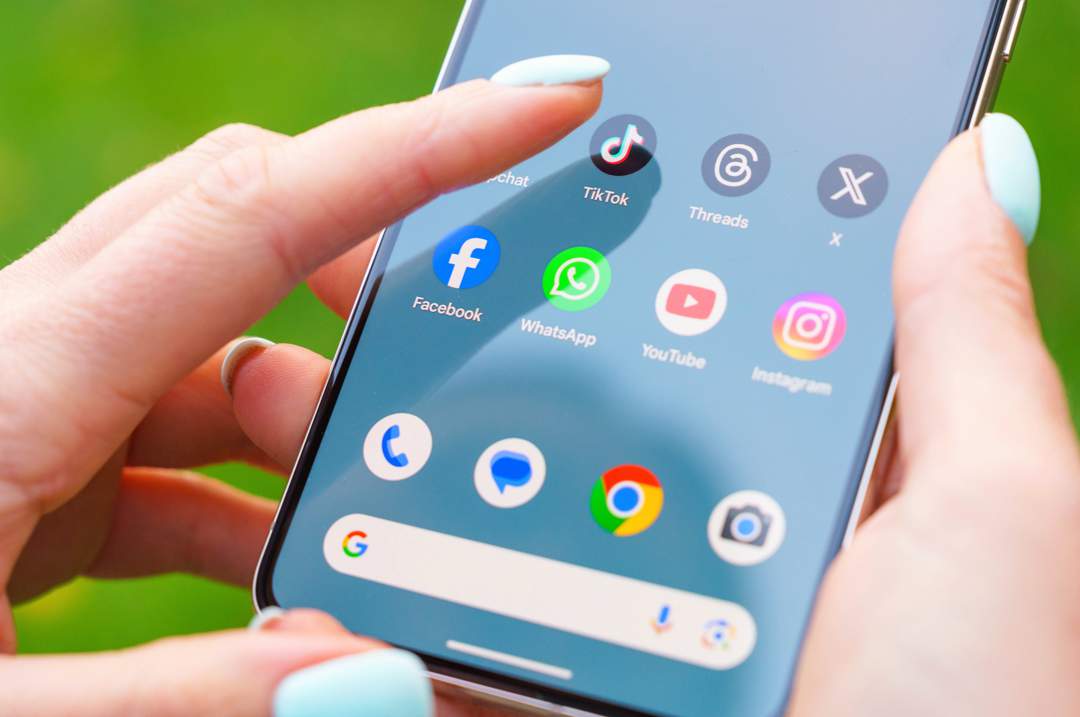
Medical professionals across the globe are raising alarms about the proliferation of unverified health advice spreading unchecked on TikTok, potentially endangering the platform’s estimated 1.2 billion users worldwide.
Self-proclaimed “health gurus” with little to no medical credentials have amassed substantial followings on the short-form video platform, where they promote questionable treatments, supplements, and health protocols that lack scientific backing. The trend has accelerated during the past two years as health content continues to gain traction on social media.
Dr. Jennifer Ashton, Chief Medical Correspondent for a major news network, expressed serious concerns about this phenomenon in a recent interview. “What we’re seeing is a dangerous combination of algorithmic amplification and pseudo-scientific claims that can have real health consequences,” she explained. “These creators often present complex medical topics in oversimplified ways that can lead to misdiagnosis or delayed proper treatment.”
The problem spans multiple health categories, from nutrition and weight loss to mental health and chronic illness management. In some cases, creators suggest abandoning prescribed medications in favor of “natural” alternatives, a recommendation that healthcare professionals unanimously condemn as potentially life-threatening.
TikTok’s unique algorithm, which quickly learns user preferences and serves similar content, has inadvertently created echo chambers where dubious health information can spread rapidly among vulnerable audiences. Young users, who make up a significant portion of TikTok’s user base, are particularly susceptible to these influences.
“The platform’s design prioritizes engagement over accuracy,” noted Dr. Michael Osterholm, director of the Center for Infectious Disease Research and Policy. “A 15-second video claiming a miracle cure will almost always outperform a nuanced explanation of medical science, which is precisely why misinformation thrives in this environment.”
The World Health Organization has identified social media health misinformation as an emerging public health threat, with TikTok presenting unique challenges due to its vast reach and predominantly young audience. Recent studies indicate that nearly 40% of Gen Z users turn to TikTok for health information before consulting healthcare providers, a statistic that alarmed medical professionals interviewed for this report.
One particularly troubling trend involves creators promoting untested supplements and “detox” programs with claims of treating everything from anxiety to autoimmune disorders. These products, often sold through affiliate links that financially benefit the creators, frequently lack FDA approval or scientific validation.
TikTok has attempted to address the problem by implementing health misinformation policies and partnering with fact-checking organizations. However, critics argue these measures are insufficient given the volume of content uploaded daily.
“It’s like trying to empty the ocean with a teaspoon,” said Dr. Seema Yasmin, director of the Stanford Health Communication Initiative. “For every piece of harmful content removed, dozens more emerge. We need systemic solutions involving platform accountability, digital literacy education, and empowering medical voices in these spaces.”
Some healthcare professionals have responded by establishing their own presence on TikTok, hoping to counterbalance misinformation with evidence-based content. However, they often struggle to compete with more sensationalist creators who aren’t bound by professional ethical standards or scientific accuracy.
Public health experts recommend that social media users verify health information through multiple credible sources and consult healthcare professionals before making changes to their health routines based on social media content. They also advocate for stronger regulatory frameworks that would hold platforms accountable for the spread of potentially harmful health misinformation.
The issue represents a broader challenge in the digital age: balancing free speech and open information sharing with protecting public health and preventing harm. As TikTok continues to grow its global influence, the platform’s response to this crisis could set important precedents for how social media companies address their role in public health information ecosystems.
For now, medical professionals emphasize that there are no shortcuts to health and well-being, despite what viral TikTok videos might suggest. They urge users to approach health content with healthy skepticism and remember that genuine medical advice should come from qualified professionals rather than trending social media personalities.
Fact Checker
Verify the accuracy of this article using The Disinformation Commission analysis and real-time sources.

7 Comments
As someone with a chronic illness, I find this really concerning. Spreading misinformation about managing serious conditions could lead to people neglecting proper medical care. Platforms like TikTok have a responsibility to crack down on this.
I agree, the proliferation of health misinformation on TikTok is alarming. These self-proclaimed ‘gurus’ are exploiting people’s trust and putting their health at risk. Rigorous fact-checking and moderation is essential to protect users, especially young impressionable ones.
Oversimplifying complex medical issues and presenting unproven treatments as fact is incredibly irresponsible. I hope health authorities and platforms work together to address this growing problem before more people are misled or harmed by this dangerous trend.
This is really concerning. Spreading misinformation on health topics can have serious consequences, especially for vulnerable people seeking advice online. Social media platforms need to do more to verify credentials and curb the spread of unqualified medical advice.
This is a really important issue that deserves more attention. The potential for harm when unqualified ‘gurus’ start giving out medical advice is significant. I hope regulators and platforms can find ways to better protect users from this kind of misinformation.
It’s frustrating to see algorithms amplifying this kind of pseudoscientific health advice. More needs to be done to elevate credible, evidence-based information from qualified professionals instead of giving a platform to unqualified influencers.
I’m worried about the impact this is having, especially on young and impressionable users. Health advice should come from qualified, licensed professionals – not random people on the internet. Social media companies need stricter policies to address this issue.