


Listen to the article
In an era where misinformation spreads at unprecedented speeds, the impact on democratic processes has become a growing concern for political analysts and civic organizations alike. With Scotland preparing for what many predict will be the most disruptive election since devolution, questions about information integrity and public trust are taking center stage in pre-election discussions.
The proliferation of false and misleading claims has created an environment where voters increasingly struggle to separate fact from fiction. This trend, experts note, has been significantly amplified by social media platforms, technological advancements, and the global rise of populist movements that often thrive on simplified narratives.
To address these pressing issues, independent fact-checking organization Full Fact is hosting a timely online discussion examining the consequences of misinformation on democratic processes and voter decision-making. The event comes at a critical juncture as Scotland approaches an election that could reshape its political landscape.
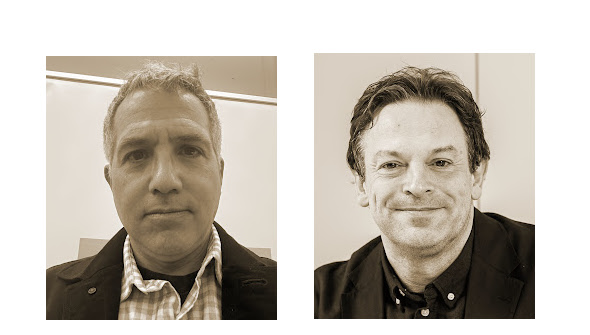
Mark Frankel, head of public affairs at Full Fact, will lead the conversation, bringing extensive expertise in combating misinformation in public discourse. Full Fact has established itself as a respected authority in the fact-checking space, employing a team of journalists, researchers, technologists and policy experts who work methodically to verify claims made in public forums.
The organization operates on the principle that accurate information forms the foundation of meaningful democratic participation. By systematically examining statements from across the political spectrum, Full Fact provides voters with evidence-based assessments that help inform their electoral choices.
Chris Deerin, Director of Enlighten, will moderate the discussion, bringing his own insights into Scottish politics and public discourse. The conversation promises to explore not just the current information environment but also the potential long-term ramifications for democratic institutions if misinformation continues unchecked.
Political observers have noted that accusations of voter manipulation have become increasingly common in Scottish political discourse, reflecting similar trends seen in other democracies worldwide. The phenomenon raises fundamental questions about democratic resilience in an age when information sources have multiplied exponentially while traditional gatekeepers have lost influence.
Recent studies suggest that persistent exposure to conflicting information sources can lead to voter apathy and disengagement—outcomes that ultimately weaken democratic participation. The Scottish context adds additional layers of complexity, with constitutional questions about independence intertwining with more traditional political dividing lines.
The timing of this discussion is particularly relevant as campaigns begin to intensify ahead of the Scottish election. Political parties are already deploying sophisticated digital strategies to reach voters, raising questions about transparency, accountability, and the potential for misleading messaging.
For organizations like Full Fact, the challenge extends beyond simply identifying false claims. The rapid evolution of technology, including the emergence of AI-generated content, creates an environment where distinguishing between genuine and manufactured information becomes increasingly difficult for the average citizen.
The discussion will likely address practical approaches for voters seeking to navigate this complex information landscape. Media literacy experts have emphasized the importance of developing critical thinking skills and consulting multiple reliable sources before forming opinions on controversial issues.
The online event will take place via Zoom on Thursday, April 23, beginning at 1:00 pm. Participants can secure login details by registering via email at the address provided by the organizers.
As democracies worldwide grapple with similar challenges, discussions like these represent important opportunities for civic engagement and education. By bringing together experts in fact-checking with engaged citizens, the organizers hope to strengthen the foundations of informed democratic participation during a pivotal moment in Scottish politics.
Fact Checker
Verify the accuracy of this article using The Disinformation Commission analysis and real-time sources.

14 Comments
Misinformation can have serious real-world consequences, eroding public trust and skewing political outcomes. I’ll be following this discussion closely to learn more about the strategies being employed to combat this issue.
Yes, the stakes are high. Independent fact-checking organizations play a vital role in preserving the integrity of the democratic process.
Misinformation can have a corrosive effect on public discourse and decision-making. I hope this event provides actionable insights on how citizens and civic organizations can work to uphold the integrity of the democratic process.
Absolutely. Strengthening media literacy and fostering a more discerning, critical-thinking public will be key to countering the rise of political misinformation.
While technological advancements have enabled the rapid spread of misinformation, I’m hopeful that innovations in media literacy and fact-checking can help turn the tide. This discussion could provide valuable insights.
Voter access to accurate, unbiased information is foundational to a healthy democracy. I hope this event provides practical insights on how citizens can better identify and counter misinformation.
The impact of misinformation on voter decision-making is a complex and concerning issue. I look forward to hearing the perspectives of the experts participating in this event.
Fact-checking organizations play a vital role in combating the spread of misinformation, but their efforts can only go so far. This discussion could shed light on the need for broader societal solutions.
Populist movements often thrive on simplified narratives, making them particularly adept at spreading misinformation. I’m curious to learn more about how to counter these tactics and strengthen democratic institutions.
Agreed. Promoting critical thinking and media literacy skills among the public will be crucial in the fight against misinformation.
This is a critical issue that deserves serious attention. Misinformation can have devastating impacts on democratic processes and voter trust. I’m interested to learn more about how organizations like Full Fact are working to combat this growing problem.
Absolutely. Fact-checking and media literacy initiatives will be key to helping voters navigate the sea of online misinformation.
The rise of political misinformation is a concerning global trend that threatens to undermine the integrity of elections. I’m curious to hear the perspectives of the experts participating in this discussion.
Agreed. Addressing the root causes of misinformation, such as social media algorithms and populist narratives, will be crucial.