


Listen to the article
Terrorists Weaponize Social Media with Sophisticated Disinformation Campaigns
Terrorist organizations worldwide have increasingly transformed social media platforms into sophisticated propaganda machines, deploying advanced disinformation tactics that distort reality and foster international sympathy while concealing their violent activities against local populations.
These groups have mastered the art of digital manipulation, creating emotionally charged content that spreads significantly faster than factual information. Research has shown that false narratives on platforms like Twitter (now X) can circulate six times more quickly than truthful content, reaching substantially larger audiences due to their novel and emotionally provocative nature.
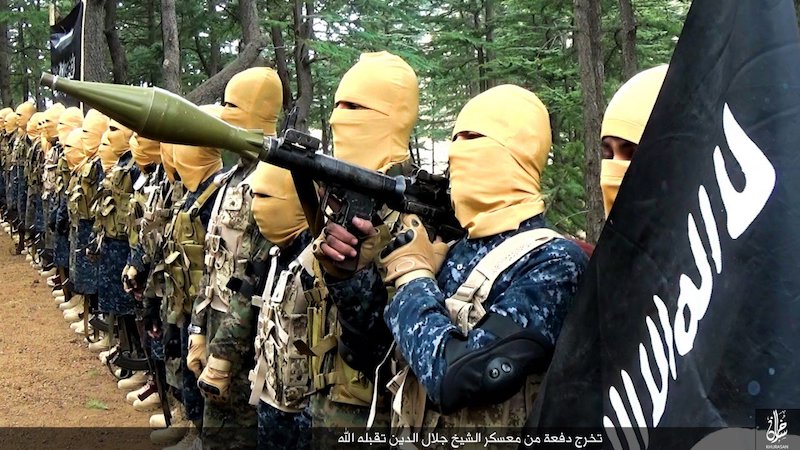
The Islamic State (ISIS) exemplifies this approach. At its peak, the organization operated an estimated 46,000 Twitter accounts, orchestrating coordinated posting campaigns during key events. ISIS developed high-quality multimedia propaganda portraying itself as an unstoppable force and righteous liberator while deliberately omitting its brutal treatment of civilians under its control.
In Balochistan, separatist groups including the Balochistan Liberation Army (BLA) and Baloch Liberation Front (BLF) employ similar tactics, allegedly with Indian support. These organizations utilize networks of fake accounts to promote anti-state messaging, distort historical facts, and present their violent campaigns as legitimate resistance. Investigations have uncovered systematic operations using counterfeit profiles to disseminate propaganda aimed at garnering international support.
African terrorist groups have adapted these methods to local contexts. Al-Shabaab and the Islamic State in Somalia (ISS) operate Facebook pages disguised as legitimate media outlets, spreading extremist ideology in local languages. A 2024 report revealed that disinformation campaigns across Africa have nearly quadrupled since 2022, with militant Islamist groups in West Africa extensively using closed networks for recruitment and message dissemination.
The global scope of such manipulation is staggering. Organized social media disinformation campaigns have been documented in at least 81 countries, with both state-sponsored and individual campaigns increasing annually.
Artificial intelligence has significantly enhanced these capabilities. Terrorist groups including Al-Qaeda and ISIS affiliates now employ generative AI to create propaganda posters, translate materials, and develop deepfakes. During conflicts like the one in Gaza, AI-generated images of alleged victims have been circulated to provoke emotional responses and foment chaos.
A primary objective of these campaigns is to portray terrorist networks as oppressed groups fighting against unjust systems. This framing manipulates facts to emphasize perceived injustices while minimizing the group’s own culpability. In Syria, Russian-associated disinformation campaigns targeted the White Helmets humanitarian group, falsely labeling them as terrorists with connections to Al-Qaeda and ISIS. These narratives, amplified by bots and trolls, reached 56 million Twitter users during critical news events in 2016 and 2017. The consequences were deadly—more than 210 White Helmet volunteers have been killed since 2013.
The impact of terrorist disinformation extends to democratic processes in Western nations. During the 2016 U.S. election, false stories, including those about Hillary Clinton and ISIS, generated 8.7 million engagements—surpassing engagement with legitimate news sources. Facebook estimated that 126 million users viewed Russian-promoted content, while Twitter identified 2,752 Russia-linked accounts that posted 1.4 million times, exploiting social divisions to advance extremist agendas.
Social media has become central to terrorist recruitment strategies. Between 2005 and 2016, approximately 65% of extremists used Facebook to propagate their views and incite action—a figure that rose to 87% by 2016, demonstrating the shift toward digital propaganda that frames violence as righteous resistance.
Perhaps most insidious is terrorists’ selective omission of harm inflicted on local populations. ISIS propaganda highlighted conquests and state-building while rarely acknowledging mass displacements, executions, and enslavement in Iraq and Syria. Similarly, in Balochistan, the BLA and BLF glorify attacks on infrastructure while concealing the devastation caused to local communities and economies.
In Africa, where Russia reportedly funds 80 disinformation campaigns targeting over 22 countries, narratives fuel anti-Western sentiment while obscuring destruction caused by militant allies. Nigerian extremist groups actively foment communal violence while presenting themselves as protectors against foreign influences.
This selective framing, now enhanced by AI-generated content, not only distorts reality but also erodes trust in factual reporting—allowing terrorist networks to maintain sympathy abroad while continuing to terrorize communities at home.
Fact Checker
Verify the accuracy of this article using The Disinformation Commission analysis and real-time sources.

7 Comments
Terrorists weaponizing social media with disinformation is a serious threat. Platforms need to stay vigilant and prioritize authenticity and fact-checking to limit the spread of these false narratives.
Agreed. Giving a platform to extremist groups risks legitimizing their views and amplifying their reach. Responsible content curation is key to safeguarding the public.
Sophisticated social media manipulation by terrorist organizations is deeply troubling. Robust strategies to combat online radicalization and restore trust in credible information sources are urgently needed.
The article highlights the alarming trend of terrorist networks leveraging social media to advance their propaganda. Concerted efforts to promote media literacy and digital citizenship are essential to build societal resilience.
Terrorist groups exploiting social media platforms to sow division and spread misinformation is a complex challenge. A multi-faceted approach of policy, technology, and public awareness is required to address this threat.
Absolutely. Collaboration between platforms, governments, and civil society is crucial to develop effective counter-narratives and limit the virality of extremist content.
Concerning to see how terrorist groups leverage social media to spread their dangerous propaganda. Strict content moderation and education on media literacy are crucial to counter these tactics.