


Listen to the article
“Survivor” Star Eva Erickson Makes History as First Openly Autistic Finalist, Champions Awareness
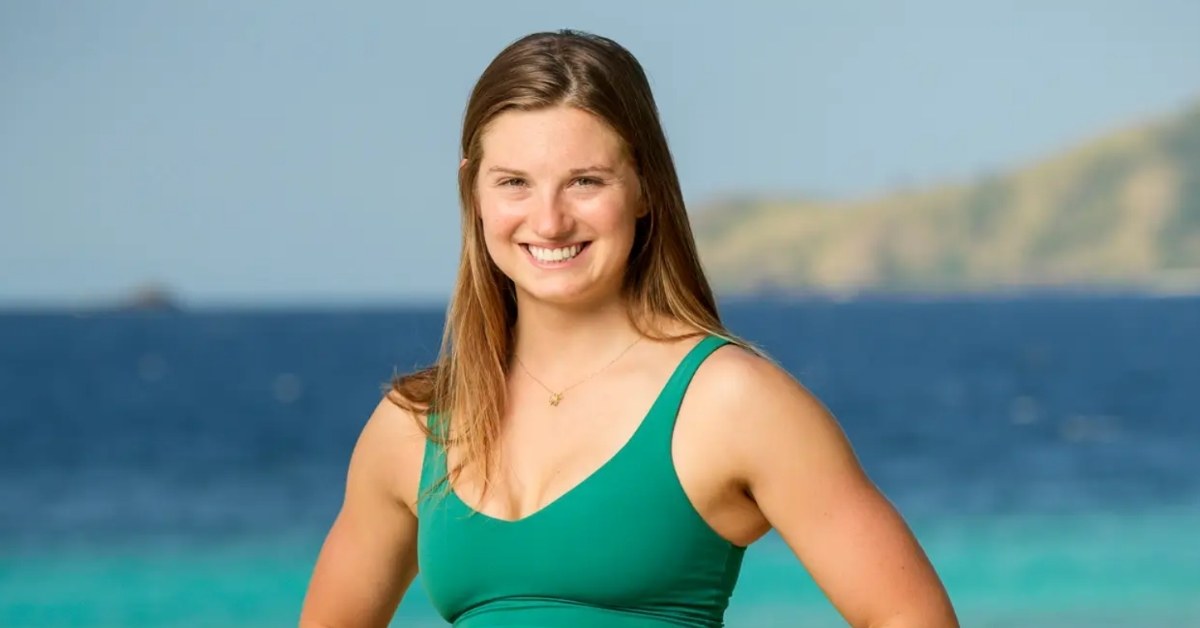
In season 48 of “Survivor,” Eva Erickson broke new ground in reality television as the first openly autistic contestant to reach the finale, using her platform to advocate for autism acceptance and challenge misconceptions.
Erickson’s journey began in the premiere episode when she confided in fellow contestant Joe Hunter about her autism. Hunter quickly became a source of support, looking after her “as he would his own daughter,” establishing a connection that transcended the game’s competitive nature.
The significance of this relationship became evident during a particularly challenging competition that overwhelmed Erickson. Despite being assigned to different teams, Hunter stepped in to comfort her, demonstrating exceptional empathy in a show known for its cutthroat dynamics.
This moment of vulnerability prompted Erickson to share her experience more broadly with the cast. “Please let’s take a step away from the game and understand that this is what I deal with, with my autism,” she told her fellow contestants. “And everyone who has autism should not be ashamed to ask for help and ashamed to receive it.”
Her candid disclosure represented a breakthrough moment for neurodiversity representation on mainstream television. Reality competition shows have historically featured limited authentic portrayal of individuals on the autism spectrum, making Erickson’s participation and success particularly meaningful to viewers within the autism community.
Since the conclusion of her “Survivor” season, Erickson has leveraged her newfound visibility to advocate for autism awareness and combat harmful stereotypes. Her platform has grown significantly, with thousands following her journey on social media where she continues to share her experiences.
Erickson’s advocacy took on additional significance this April when she responded to controversial statements made by Health Secretary Robert F. Kennedy Jr., who made unsubstantiated claims characterizing autism as a “tragedy.” In a powerful Instagram post, Erickson countered this narrative by highlighting her numerous achievements, including earning a Ph.D. in engineering from Brown University.
“People with autism are stronger than he believes,” she stated firmly, “and I’m proud to represent this community.”
Her response exemplifies the growing movement of autistic self-advocates who reject deficit-focused narratives in favor of neurodiversity perspectives that recognize the unique strengths and contributions of autistic individuals.
Public health experts and autism advocacy organizations have consistently emphasized the importance of authentic representation in media. According to research published in the Journal of Autism and Developmental Disorders, positive portrayals of autistic individuals can significantly reduce stigma and improve public understanding of neurodevelopmental conditions.
Autism affects approximately 1 in 36 children in the United States, according to the CDC, making representation in mainstream media particularly important for fostering understanding and acceptance.
Organizations like the Autistic Self Advocacy Network have praised Erickson’s visibility on “Survivor,” noting that her participation helps challenge pervasive misconceptions about autism. The organization emphasizes the importance of autistic individuals speaking for themselves in conversations about autism, rather than being spoken about by non-autistic people.
As public discussions about autism continue to evolve, voices like Erickson’s play a crucial role in shifting the narrative from one of deficit to one of difference and strength. Through her continued advocacy work and the platform provided by “Survivor,” Erickson has joined the ranks of prominent autistic advocates working to ensure accurate understanding of autism in public discourse.
For those interested in supporting autism acceptance and combating misinformation, experts recommend seeking information from autistic-led organizations and following autistic creators who share their lived experiences online.
Fact Checker
Verify the accuracy of this article using The Disinformation Commission analysis and real-time sources.

10 Comments
This is an important step forward in increasing autism representation and understanding in mainstream media. Kudos to Erickson for using her platform to educate and advocate.
Agreed. Visibility and positive role models are crucial for the autism community.
This is an inspiring story about how Eva Erickson used her platform on ‘Survivor’ to raise autism awareness. Her openness and the support from fellow contestant Joe Hunter shows the power of empathy and acceptance.
It’s great to see a reality show contestant with autism reach the finale and use their voice to challenge misconceptions. This could go a long way in normalizing autism and promoting inclusion.
Absolutely. More representation and visibility for the autism community is so important.
The fact that Erickson was the first openly autistic contestant to make it to the ‘Survivor’ finale is a significant milestone. This could open doors for greater inclusion and diversity in reality TV.
It’s refreshing to see a reality show handle the topic of autism with sensitivity and nuance. Erickson’s experience highlights the need for more authentic representation in media.
The moment where Hunter comforted Erickson during a challenge despite being on opposing teams is a heartwarming example of sportsmanship and humanity. This kind of empathy is what we need to see more of.
Erickson’s advocacy for autism awareness on ‘Survivor’ is a powerful reminder that people with autism are capable of extraordinary achievements. This is an inspiring story of overcoming challenges and breaking barriers.
Erickson’s journey on ‘Survivor’ is an inspiring testament to the strength and resilience of the autism community. Her openness will hopefully inspire others to feel empowered to share their own experiences.