


Listen to the article
Digital Literacy Linked to Greater Tech Concerns, European Study Finds
People with stronger digital skills express more concern about privacy issues, online misinformation, and work-life disruption associated with digital technologies, according to a comprehensive new study conducted by researchers from University College London (UCL) and the University of British Columbia.
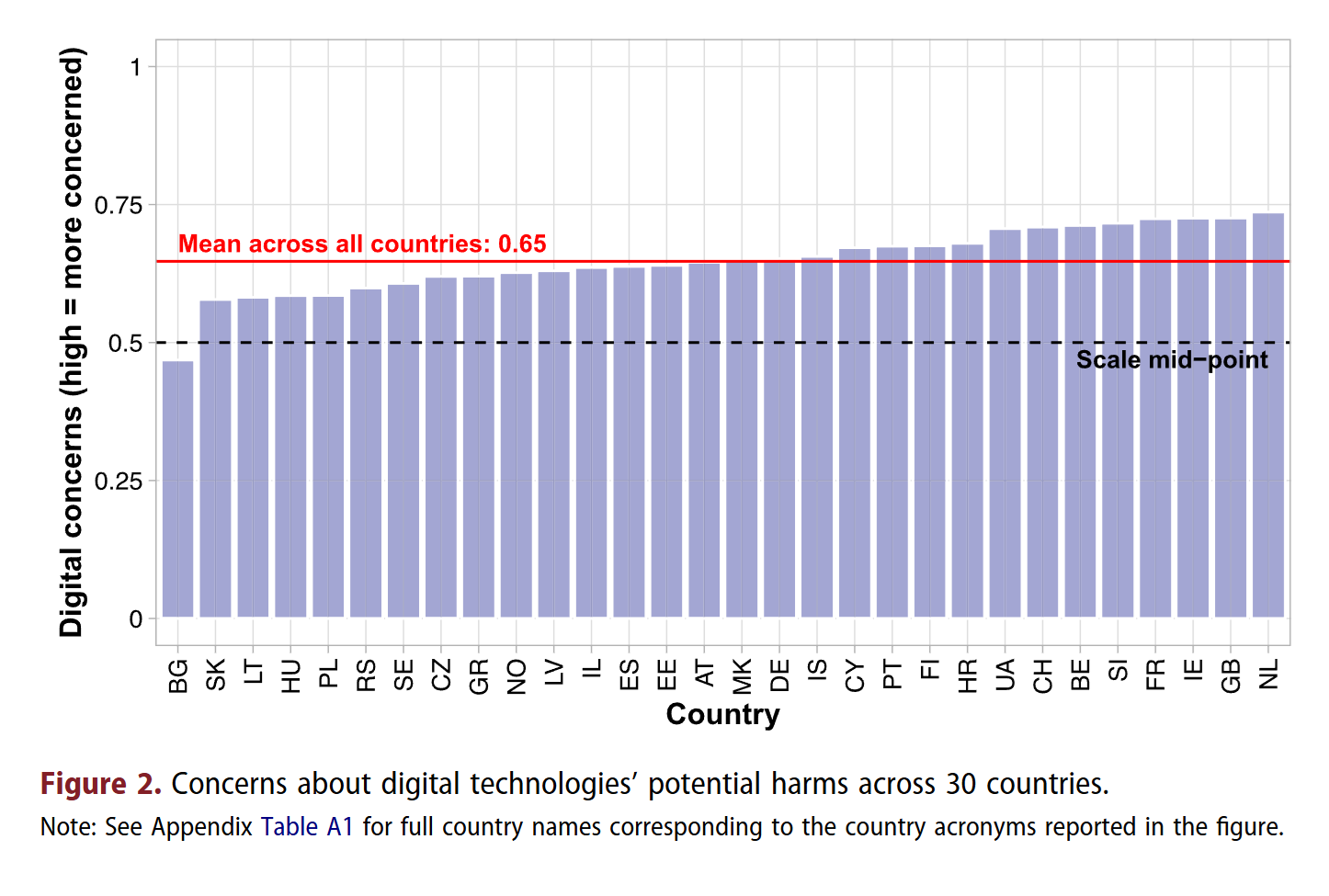
The cross-national research, published in the academic journal Information, Communication & Society, analyzed data from nearly 50,000 respondents across 29 European countries and Israel, collected between 2020 and 2022. Researchers created a composite “digital concern scale” ranging from 0 to 1 to measure participants’ views on privacy infringement, misinformation, and workplace disruptions caused by digital technologies.
Contrary to what might be expected, those with higher digital literacy reported greater levels of concern about these issues rather than less. This trend was particularly pronounced among frequent internet users, suggesting that increased exposure to and understanding of digital environments may heighten awareness of potential problems rather than diminish concerns.
“The findings challenge the assumption that greater digital skills automatically lead to more comfort with technology,” said one of the lead researchers. “Instead, we’re seeing that those who best understand digital environments are often most cognizant of their pitfalls.”
The study revealed notable demographic and geographical patterns in digital concern levels. Millennials aged 25 to 44 reported significantly higher concern compared to both younger and older age groups. This may reflect this generation’s unique position as digital adopters who have witnessed the rapid evolution of technology and its impacts on society.
Interestingly, researchers found no significant differences in concern levels based on gender, income, or whether respondents lived in urban or rural areas. This suggests that digital concerns transcend these traditional demographic dividing lines.
Geographic variations were substantial, with Bulgaria recording the lowest levels of digital concern while the Netherlands and the United Kingdom showed the highest. These differences likely reflect varying digital adoption rates, regulatory environments, and cultural attitudes toward technology across European nations.
The study’s average concern score of 0.65 on the 0-1 scale indicates generally high levels of concern about digital issues across all surveyed populations, underscoring widespread unease about various aspects of our increasingly digital lives.
For policymakers and technology companies, these findings present both challenges and opportunities. The research suggests that simply improving digital literacy—while important for many reasons—may not alleviate public concerns about technology’s negative effects. Instead, meaningful efforts to address privacy protection, combat misinformation, and promote healthy digital work environments may be necessary to build public trust.
The higher concern levels among digitally proficient users also highlight the importance of engaging these informed stakeholders in shaping technology policies and practices. Their understanding of both the benefits and drawbacks of digital systems makes them valuable voices in discussions about responsible technology development.
As societies continue to navigate digital transformation, this research provides important insights into how digital literacy influences perceptions of technology. The findings suggest that education efforts should focus not only on building technical skills but also on developing critical awareness about technology’s broader societal impacts.
The study’s authors recommend further research to explore how these concerns translate into actual behavior changes and what interventions might effectively address the legitimate concerns of digitally literate citizens while continuing to promote the benefits of technological advancement.
Fact Checker
Verify the accuracy of this article using The Disinformation Commission analysis and real-time sources.

9 Comments
As the mining industry continues to embrace digitalization, this research highlights the importance of proactively addressing workers’ anxieties about emerging technologies. Strong digital skills alone don’t necessarily translate to confidence.
Interesting study – makes sense that digital literacy would heighten awareness of online privacy and misinformation issues. Seems like a double-edged sword where more skills expose more risks.
Yes, it’s an important finding. As we become more digitally savvy, we may gain a deeper understanding of the darker sides of technology.
The study’s finding that frequent internet users express heightened digital concerns is quite thought-provoking. Seems to run counter to the idea that more exposure equals less worry.
Exactly. This suggests that simply increasing digital access and skills may not be enough to assuage public fears about privacy, misinformation, etc. More nuanced approaches are needed.
This research highlights a concerning paradox – the very people who are most adept with digital tools and platforms are also the most anxious about their pitfalls. Speaks to the need for better digital literacy education.
Agreed. Equipping people with digital skills is crucial, but must go hand-in-hand with instilling critical thinking about online safety and credibility.
Curious to see if this trend holds true across industries and demographics. Would be interesting to dig deeper into how digital literacy impacts perceptions of technology in the mining/commodities sector specifically.
Good point. The mining industry is increasingly reliant on digital tools, so understanding the workforce’s digital concerns could inform technology adoption and training strategies.