


Listen to the article
Nearly All New Cancer Patients Exposed to Treatment Misinformation, Study Finds
A groundbreaking study from the UF Health Cancer Center has revealed that 93 percent of newly diagnosed cancer patients encounter misinformation about treatments, often without actively seeking it out. The research highlights significant concerns about how misleading cancer information spreads and influences treatment decisions.
Researchers defined misinformation as unproven or disproven cancer treatments, along with common myths and misconceptions about cancer care. According to senior author Dr. Carma Bylund, professor and associate chair of education in the UF Department of Health Outcomes and Biomedical Informatics, healthcare providers should now operate under the assumption that patients have been exposed to misinformation.
“Clinicians should assume when their patients are coming to them for a treatment discussion that they have been exposed to different types of information about cancer treatment, whether or not they went online and looked it up themselves,” said Bylund. “One way or another, people are being exposed to a lot of misinformation.”
The study’s most surprising finding was that patients most frequently encountered misinformation secondhand rather than through direct searches. This passive exposure often comes through social media algorithms, well-meaning friends and family, and targeted content that appears after a diagnosis becomes known to platforms.
“Your algorithms pick up on your diagnosis, your friends and family pick up on it, and then you’re on Facebook and you become exposed to this media,” explained Dr. Naomi Parker, the study’s first author and assistant scientist at UF. “You’re not necessarily seeking out if vitamin C may be a cure for cancer, but you start being fed that content.”
The research team surveyed 110 UF Health patients diagnosed with prostate, breast, colorectal or lung cancer within the previous six months—a crucial period when patients typically make initial treatment decisions. The survey covered five categories of unproven or disproven treatments: vitamins and minerals, herbs and supplements, special diets, mind-body interventions, and miscellaneous treatments. It also addressed common misconceptions, such as whether sugar consumption worsens cancer.
Previous research has documented the potential dangers of health misinformation, which can deter patients from evidence-based treatments, damage doctor-patient relationships, and potentially increase mortality rates. Cancer patients are particularly vulnerable due to the anxiety and fear accompanying diagnosis and the overwhelming amount of new information they must process.
While earlier studies have analyzed misinformation at its source—examining content on platforms like TikTok—little research has investigated how widespread exposure actually is among patients or its real-world effects on treatment decisions.
The research identified close friends or family members as the most common sources of misinformation, followed by websites, distant acquaintances, social media, and news media. Concerningly, the study also found that most patients rarely discussed these alternative treatments with their oncologists.
“I still think media and the internet are the source and why misinformation can spread so rapidly, but it might come to a cancer patient interpersonally, from family or friends,” Bylund noted, highlighting a shift in understanding how misinformation reaches patients.
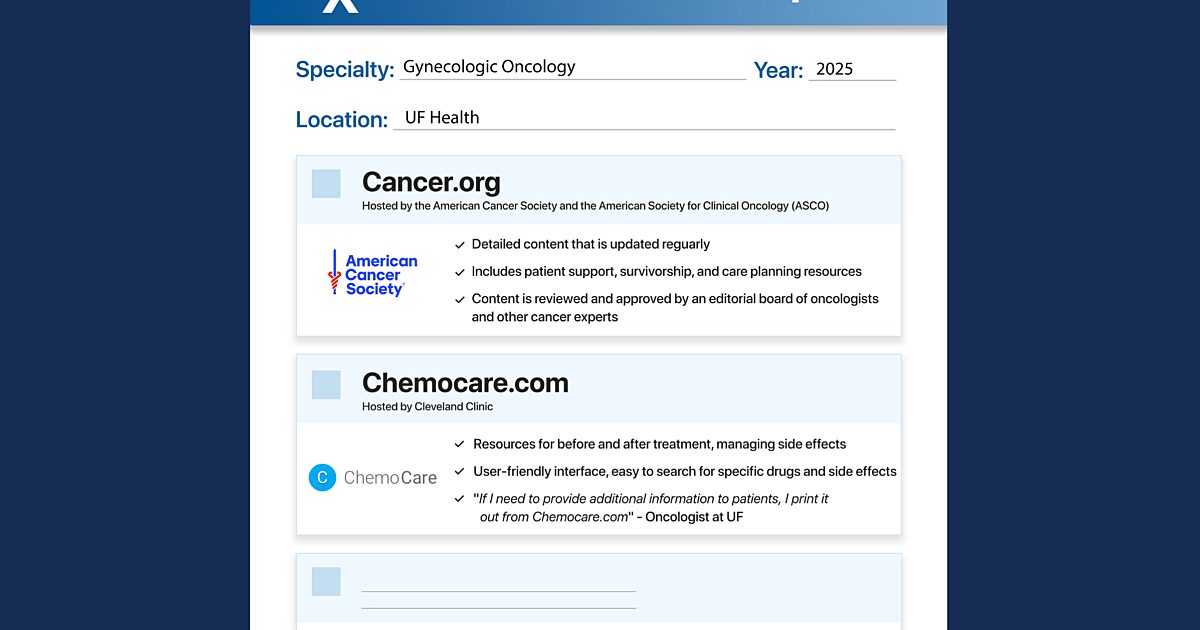
In response to their findings, Bylund and Parker are now collaborating with oncologists to pilot an “information prescription” program that directs patients to evidence-based resources like the American Cancer Society. The researchers plan to survey a broader patient population and evaluate interventions designed to reduce misinformation exposure.
This study represents a significant advancement in understanding the pervasiveness of cancer treatment misinformation and how it reaches patients, with important implications for clinical practice. As health misinformation continues to spread rapidly across digital and interpersonal channels, providing patients with reliable information sources becomes increasingly vital to ensuring they receive optimal care based on scientific evidence rather than unproven claims.
Fact Checker
Verify the accuracy of this article using The Disinformation Commission analysis and real-time sources.

8 Comments
This study highlights the urgent need to improve cancer education and communication, both for patients and the general public. Clinicians must take an active role in dispelling myths and guiding patients to evidence-based care.
Agreed. Providing patients with reliable, curated information from the start could make a big difference in treatment outcomes. Proactive steps by healthcare providers are critical.
Concerning to see the prevalence of cancer treatment misinformation. Healthcare providers will need to be vigilant in addressing patient concerns and misconceptions, while also directing them to reliable information sources.
Absolutely. Misinformation can lead to poor treatment decisions with serious consequences. An ‘information prescription’ approach sounds like a smart way to counter this trend.
This is a major public health concern that warrants urgent attention. Healthcare providers must take a more proactive role in educating patients and the broader community about evidence-based cancer treatments.
Wow, 93% exposure to cancer treatment misinformation is alarmingly high. This issue needs to be addressed quickly before more patients make uninformed decisions that could jeopardize their health.
The ‘information prescription’ concept seems like a practical way to arm patients with credible resources and counter the spread of misleading claims. Kudos to the UF researchers for piloting this initiative.
Agreed, a targeted approach to distributing vetted information is essential. Patients should be empowered with facts, not left vulnerable to unsubstantiated cures or harmful myths.