


Listen to the article
The Warriors’ star acquisition, Kristaps Porzingis, has made just a single appearance for Golden State since joining the team three weeks ago, with illness continuing to sideline the 7-foot center as head coach Steve Kerr walks back comments about his medical condition.
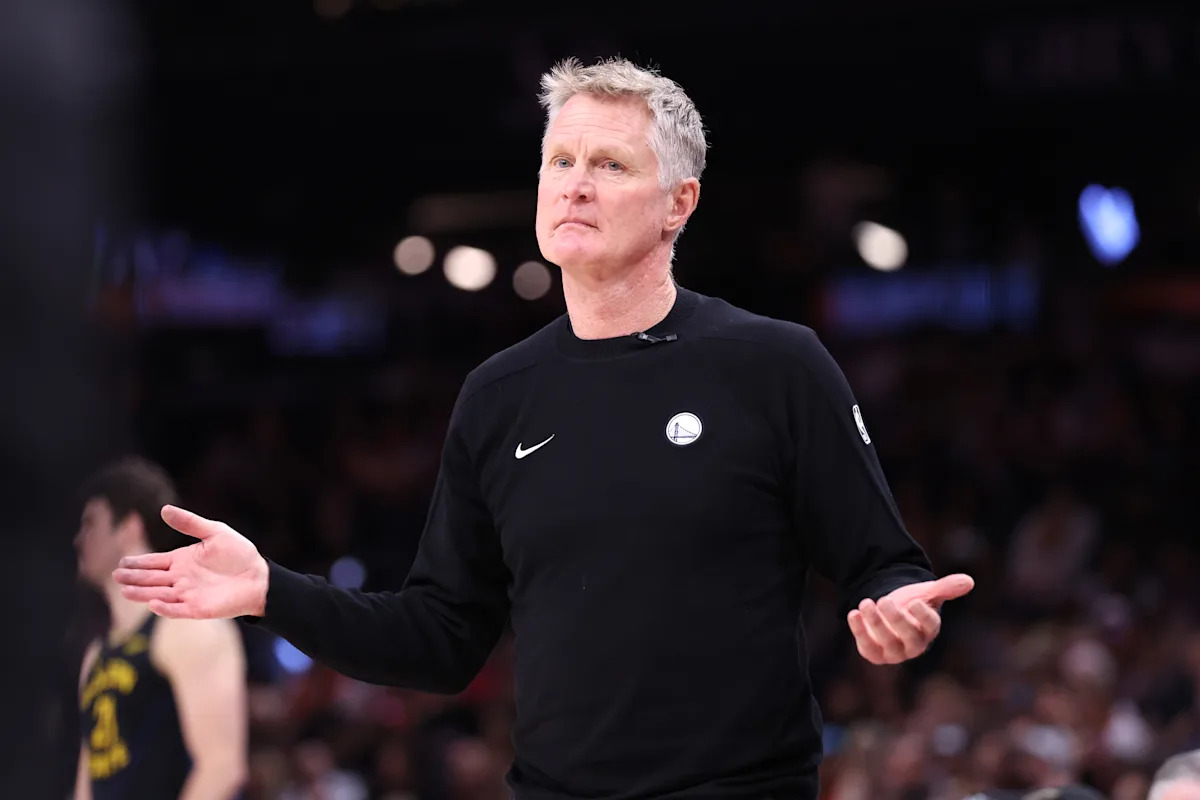
Kerr issued a public apology Saturday after appearing to dismiss Porzingis’ previously disclosed medical condition in a radio interview. The Warriors coach had questioned whether the center’s postural orthostatic tachycardia syndrome (POTS) diagnosis was legitimate when speaking to 95.7 The Game on Friday.
“It was a stupid mistake by me to talk about something that I’m not qualified to talk about,” Kerr told reporters before Saturday’s game against the Los Angeles Lakers. “I regretted even trying to discuss the diagnosis. That was my mistake. I need to leave that to professionals.”
The controversy stems from Kerr’s radio appearance where he claimed he had contacted Atlanta Hawks General Manager Onsi Saleh after the trade to inquire about Porzingis’ health. “I called Onsi and said, ‘Is this POTS story real?’ And he said, ‘It’s actually not POTS.’ That was some misinformation that was out there,” Kerr had stated.
Porzingis first revealed his POTS diagnosis while with the Boston Celtics during last season’s playoffs. The condition is a non-life-threatening blood circulation disorder that can trigger various symptoms when a person stands up, including dizziness, rapid heartbeat, and fatigue.
When pressed by reporters on Saturday about the specifics of Porzingis’ current health issues, Kerr declined to elaborate. “It’s a medical issue way behind my capabilities of explaining anything. He’s sick, he won’t play, we’ll keep monitoring,” he said.
The Warriors acquired Porzingis from the Atlanta Hawks at the February trade deadline in a move designed to bolster their frontcourt. The Latvian big man had been traded to Atlanta from Boston earlier this season but never suited up for the Hawks before being moved to Golden State.
Since joining the Warriors, Porzingis has remained largely unavailable. He was initially sidelined by an Achilles injury that delayed his Golden State debut until February 19, when he played his lone game for the team. The current illness has caused him to miss the team’s last three games, including Saturday’s matchup with the Lakers.
The situation highlights the growing complexity of NBA teams managing player health information in the public sphere. Professional athletes’ medical privacy often comes into tension with fan and media interest in understanding why key players remain sidelined.
For the Warriors, Porzingis’ extended absence represents a significant setback in their efforts to integrate him into their system before the playoffs. Golden State made the move for the versatile center hoping his unique combination of rim protection and perimeter shooting would complement their existing core.
There appears to be some optimism, however, as Kerr indicated Porzingis participated in practice on Friday and could potentially return for Monday’s game against the Los Angeles Clippers.
The Warriors’ handling of Porzingis’ health will be closely monitored as the regular season winds down. With just weeks remaining before the postseason, Golden State faces the challenge of building chemistry with their key acquisition while ensuring his long-term health remains a priority.
Fact Checker
Verify the accuracy of this article using The Disinformation Commission analysis and real-time sources.

14 Comments
It’s good to see Coach Kerr take responsibility for his mistake in discussing Porzingis’ medical condition. As you said, it’s best to leave those matters to the professionals.
Agreed. Kerr should focus on coaching and trust the team’s medical staff to handle Porzingis’ health issues appropriately.
I’m curious to learn more about postural orthostatic tachycardia syndrome (POTS) and how it might impact an NBA player’s performance and availability. Is this a common condition in professional sports?
That’s a good question. POTS can certainly present challenges for athletes, but the medical staff would be best equipped to assess its impact on Porzingis’ NBA career.
It’s unfortunate that Porzingis has been dealing with this illness and unable to contribute fully to the Warriors’ season so far. Hopefully, he can recover and get back on the court soon.
Agreed. The Warriors will need Porzingis at full strength if they want to make a deep playoff run, so his health should be the top priority.
I appreciate Kerr’s transparency in admitting his mistake and deferring to the medical professionals. It’s important for coaches to avoid speculating on players’ health issues.
Absolutely. Kerr’s apology shows integrity, and the focus should now be on supporting Porzingis’ recovery and return to play.
I’m glad Kerr acknowledged his mistake and apologized. As a high-profile coach, he has a responsibility to be more mindful of how his comments can impact players and their medical privacy.
Well said. Kerr’s apology shows maturity and a willingness to learn from this experience. Maintaining trust and support for players’ health should be a top priority.
This situation highlights the complexities and sensitivities around athlete health information. Kerr was right to walk back his comments and acknowledge his lack of expertise on the topic.
You’re right. Medical privacy is crucial, and coaches should be careful not to make assumptions or spread misinformation about players’ conditions.
While it’s understandable that Kerr was curious about Porzingis’ diagnosis, he should have deferred to the team’s medical staff instead of speculating publicly. Hopefully, this will be a learning experience for him.
Agreed. Coaches need to trust the expertise of their medical professionals and avoid making statements that could be perceived as dismissive of a player’s health concerns.