


Listen to the article
As tensions escalate between Israel and Iran, social media platforms are becoming flooded with misleading and false information about the ongoing conflict. Experts warn that distinguishing fact from fiction has become increasingly challenging, with sophisticated manipulation techniques making verification more difficult than ever.
“The information environment right now is incredibly polluted,” explains Gordon Pennycook, a behavioral scientist at Cornell University who specializes in misinformation research. “People are sharing things that they don’t know are true because they want them to be true.”
This problem is particularly acute in conflict zones, where reliable information can be scarce. The Israel-Iran situation has triggered a surge in misleading content, ranging from misattributed videos to completely fabricated events.
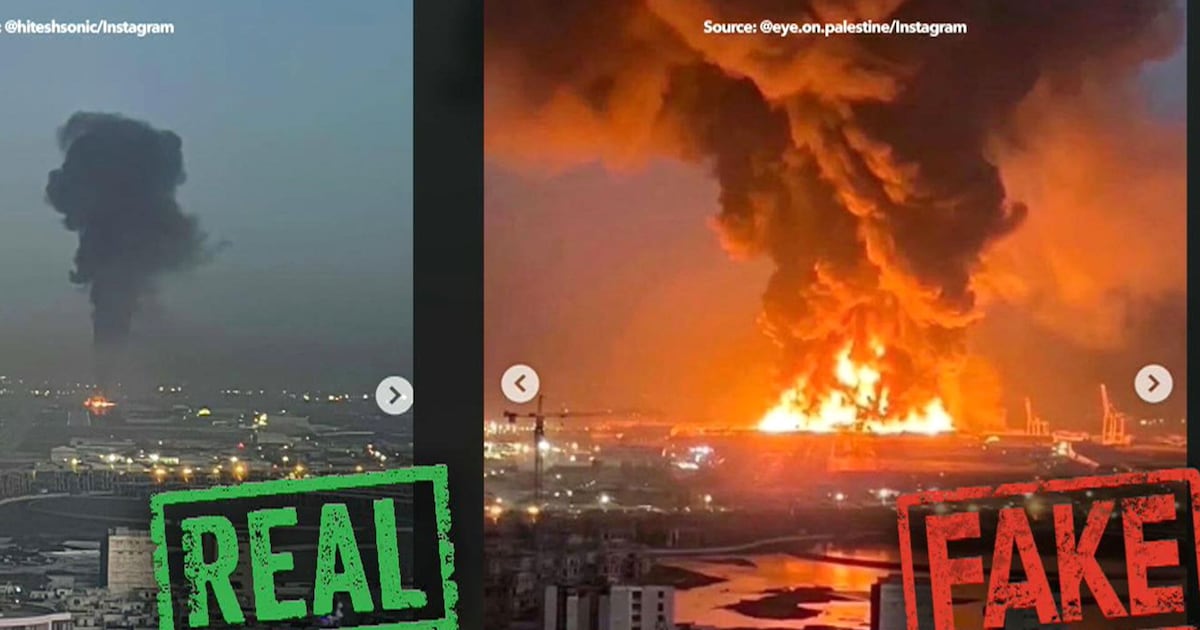
One common tactic involves repurposing old footage from unrelated conflicts or events and presenting it as current. For instance, videos from military exercises, video games, or previous regional conflicts are frequently mislabeled as showing recent strikes or military operations. These deceptive posts often gain significant traction before fact-checkers can intervene.
Digital forensics experts have identified several red flags that can help users identify potential misinformation. Unusual lighting conditions, inconsistent shadows, or visual artifacts might indicate that a video has been digitally altered. Similarly, audio that doesn’t match the visual content or appears out of sync could signal manipulation.
Claire Wardle, co-founder of the Information Futures Lab at Brown University, emphasizes the importance of source verification. “Before sharing content about breaking news events, especially during conflicts, ask yourself if the source is reliable and if the information has been confirmed by multiple credible outlets,” she advises.
Major news organizations typically have verification processes in place, requiring confirmation from multiple sources before reporting on significant developments. In contrast, social media platforms allow virtually anyone to publish content without such safeguards.
The emotional nature of war coverage makes people particularly vulnerable to misinformation. Content designed to provoke strong emotional responses – whether outrage, fear, or sympathy – tends to spread faster and reach wider audiences than more measured reporting.
“Our research shows that emotionally charged content receives significantly more engagement regardless of its accuracy,” notes Pennycook. “This creates a perfect environment for those seeking to manipulate public opinion.”
The problem extends beyond individual users. State actors and organized groups have been documented using coordinated networks of accounts to amplify certain narratives while suppressing others. These sophisticated operations can make misleading content appear more popular and credible than it actually is.
Tech platforms have implemented various measures to combat misinformation, including labeling suspicious content, reducing its visibility in news feeds, and partnering with third-party fact-checkers. However, these efforts often struggle to keep pace with the volume and evolving nature of false information.
Media literacy experts recommend several practical strategies for navigating the information landscape during this conflict. Cross-checking information across multiple reputable sources is essential. Users should be particularly skeptical of content that confirms their existing beliefs or triggers strong emotional reactions.
“If something seems too perfect in supporting your viewpoint, that’s actually when you should be most suspicious,” Wardle cautions.
Digital tools can also assist in verification. Reverse image searches can help determine if a photo has been repurposed from an earlier event, while browser extensions designed to flag known misinformation sources may provide additional warning signals.
The spread of misinformation isn’t merely an academic concern – it can have real-world consequences, potentially exacerbating tensions and complicating diplomatic efforts to de-escalate the conflict.
As the situation in the Middle East continues to develop, the information battle rages alongside the military one. For concerned observers, maintaining a critical eye and practicing digital discernment has never been more important.
“In times of conflict, misinformation isn’t just an inconvenience – it can shape public opinion, influence policy decisions, and even affect the course of the conflict itself,” Wardle concludes. “The responsibility falls on all of us to be more thoughtful about what we consume and share.”
Fact Checker
Verify the accuracy of this article using The Disinformation Commission analysis and real-time sources.

11 Comments
Excellent article. Misinformation is a serious problem, and the tactics used to spread it are becoming increasingly sophisticated. This guide provides important insights and practical tips for navigating the online information landscape more effectively.
The point about repurposing old footage is concerning. It’s a sneaky tactic that can easily spread misinformation. Fact-checking is so important, but it’s getting more difficult with increasingly sophisticated manipulation techniques.
Absolutely. We all need to be more vigilant about verifying the sources and context of online content, especially during times of heightened tension and conflict.
Excellent guide. Fact-checking and verifying information sources should be a top priority, especially when it comes to sensitive geopolitical issues. Misinformation can have serious consequences, so we all need to be more discerning consumers of online content.
This guide is a timely and valuable resource. Misinformation is a major challenge, and it’s only getting worse. I appreciate the expert insights on the tactics being used to spread false narratives.
The challenge of distinguishing fact from fiction online is a growing concern, especially during conflicts. This guide offers valuable guidance on how to approach online content more critically and avoid falling for manipulative tactics.
Agreed. With so much at stake, it’s crucial that we all become more discerning and responsible consumers of information, particularly when it comes to sensitive geopolitical issues.
Interesting read. The point about people sharing things they want to be true, even if they’re not factual, is a concerning human tendency. We have to be extra cautious about our confirmation biases during conflicts.
That’s a great observation. It’s easy to fall into that trap, especially when emotions are running high. Maintaining objectivity and scrutinizing sources is crucial.
This is a timely and important article. The ability to spot misinformation is a critical skill in today’s information landscape. I appreciate the expert insights and practical tips provided here.
This guide on spotting misinformation is much needed. With the Israel-Iran conflict escalating, it’s crucial that people can distinguish fact from fiction online. Sharing unverified content, even if it aligns with our views, can be harmful.