


Listen to the article
South Korea’s parliament has passed a controversial law allowing courts to impose significant financial penalties on those who deliberately spread misinformation online, sparking intense debate about press freedom and democratic safeguards.
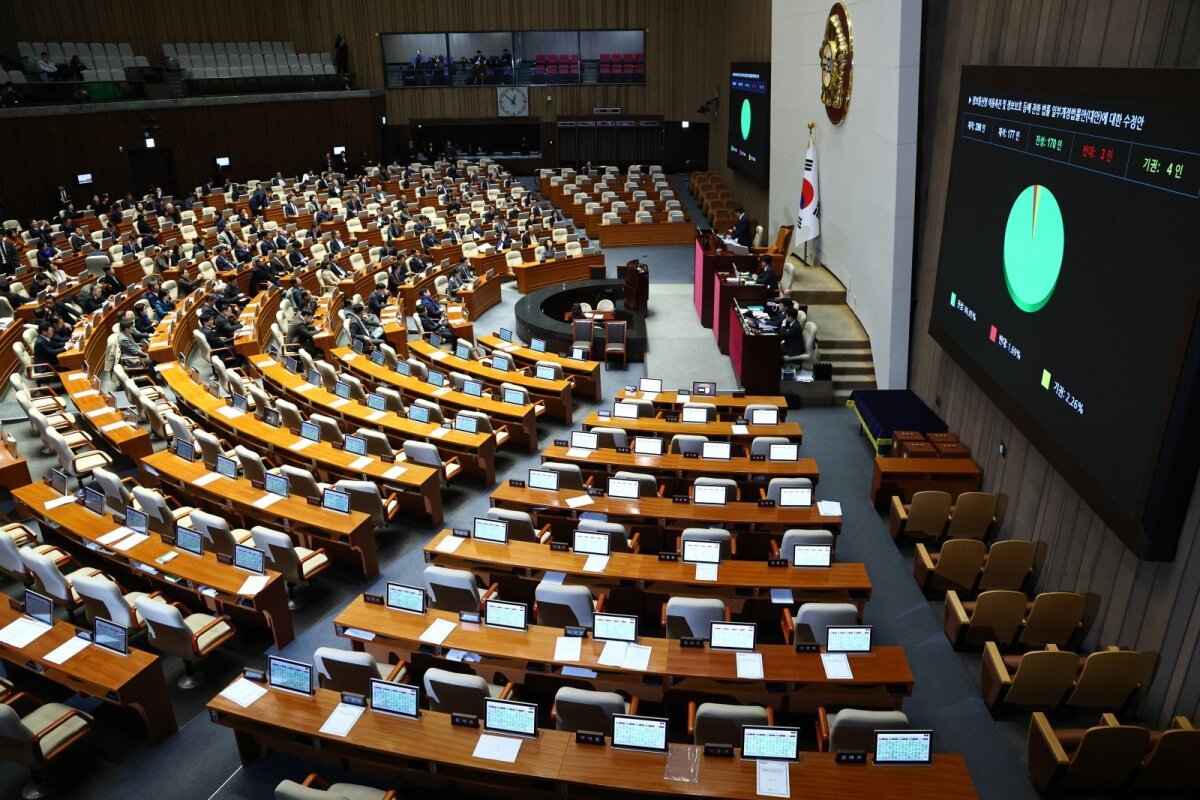
The National Assembly approved revisions to the Information and Communications Network Act on December 24, introducing punitive damages of up to five times actual losses for media outlets or content creators found guilty of intentionally distributing false or manipulated information.
The Democratic Party of Korea, which championed the legislation, argued that stricter measures were necessary to combat the rapid proliferation of false content online that fuels social division and confusion. According to the party, existing regulations proved inadequate in addressing the evolving landscape of digital misinformation.
Opposition parties have strongly condemned the measure, labeling it an “online gag law” that threatens free expression. Their concerns were echoed by several prominent civic organizations, including the People’s Solidarity for Participatory Democracy, which warned about potential threats to media independence and the critical watchdog function journalism serves in a healthy democracy.
The law comes amid growing concerns about online misinformation in South Korea, particularly following high-profile cases like that of YouTuber Tzuyang, who became the target of false claims spread by so-called “cyber wreckers” seeking financial gain through sensationalist content. Such cases highlighted the need for more robust legal protections against malicious misinformation campaigns.
Legal experts and media advocates, however, have identified several troubling aspects of the new legislation. Chief among these concerns is the vague criteria for determining what constitutes “false or manipulated information,” creating significant ambiguity in how courts might apply the law. Without clear guidelines, the legislation could enable subjective interpretation and potentially selective enforcement.
The punitive damages provision has sparked particular alarm among journalists and news organizations. With penalties of up to five times actual losses, media outlets face substantial financial risk when reporting on sensitive or controversial topics. This financial exposure could create a chilling effect on investigative journalism and critical reporting, particularly regarding powerful individuals or institutions.
“The ambiguity in the law’s language combined with the severity of potential penalties creates a dangerous environment for press freedom,” said one media law specialist who requested anonymity. “News organizations may self-censor rather than risk crippling financial penalties, even when pursuing stories of legitimate public interest.”
Critics have also raised concerns about the potential for strategic lawsuits against public participation (SLAPPs), where powerful entities file legal actions primarily to intimidate and silence critics. Politicians, government officials, and large corporations could leverage the new law to preemptively discourage unfavorable coverage by threatening costly litigation.
While the Democratic Party maintains that the law includes safeguards allowing courts to dismiss obviously frivolous cases through interim rulings, legal experts remain skeptical. They point out that determinations regarding false information often require complex, lengthy proceedings that impose significant burdens on defendants regardless of the eventual outcome.
Some have suggested that South Korea should implement additional protections similar to those in California, where courts can require plaintiffs to cover litigation costs and allow defendants to file counterclaims if lawsuits are deemed malicious attempts to silence legitimate reporting.
The law’s implementation will be closely watched by media organizations, digital rights advocates, and international press freedom monitors concerned about its potential impact on South Korea’s democratic institutions.
As digital misinformation continues to challenge societies globally, the tension between combating harmful content and preserving free expression remains a complex balancing act for democracies. South Korea’s approach will likely serve as a case study for other nations grappling with similar issues in an increasingly interconnected information landscape.
Fact Checker
Verify the accuracy of this article using The Disinformation Commission analysis and real-time sources.

10 Comments
This new law highlights the complexities involved in regulating online content. While curbing misinformation is a worthy goal, I share concerns about the potential for abuse and unintended consequences. It will be important to monitor how this plays out in practice.
Absolutely. Striking the right balance between addressing misinformation and protecting free speech is an ongoing challenge for policymakers around the world.
The rapid spread of online misinformation is a real challenge, but imposing heavy fines raises questions about press freedom. I’m curious to see how this law is implemented and whether it achieves its intended goals without unduly limiting legitimate discourse.
That’s a fair point. The details of enforcement will be crucial in determining the law’s overall impact and effectiveness.
As someone with an interest in mining and commodities, I wonder how this law could affect reporting on those industries. Accurate information is so important, but we must be vigilant about measures that could stifle critical coverage or investigative journalism.
I appreciate the Korean government’s efforts to tackle the problem of online misinformation, but this law seems like a heavy-handed approach that could backfire. Rigorous fact-checking and media literacy education may be more effective solutions.
This is a concerning development that warrants close scrutiny. While the intent may be to combat the spread of false information, the potential for abuse and chilling of legitimate debate is worrying. I hope this law is implemented with great care and transparency.
Well said. Maintaining a robust and free press is crucial, even as we grapple with the challenges of the digital age.
This is a complex issue with valid concerns on both sides. While combating misinformation is important, overly punitive measures could stifle free speech and media independence. I hope South Korea can strike the right balance through open debate and input from all stakeholders.
Agreed, it’s a delicate balance. Disinformation is a growing problem, but solutions need to protect fundamental democratic rights.