


Listen to the article
Canadian Health Experts Warn Against Online Reproductive Health Misinformation
OTTAWA, ON – The Society of Obstetricians and Gynaecologists of Canada (SOGC) issued a public warning this week about the dangers of online misinformation regarding sexual and reproductive health. The announcement comes during Sexual and Reproductive Health Awareness Week, as the organization seeks to combat what it describes as a growing problem across digital platforms.
In today’s digital landscape, inaccurate health content spreads rapidly through social media channels and search engines, often amplified by algorithms and personal anecdotes from online influencers. This phenomenon has created an environment where scientifically unsound information can quickly reach vulnerable audiences seeking answers to health concerns.
Dr. Lynn Murphy-Kaulbeck, President of the SOGC, emphasized the real-world consequences of this trend. “Misinformation about vaccines, contraception, fertility and other aspects of reproductive health does more than mislead — it can cause real harm,” she stated.
The warning comes at a critical time when many Canadian women face challenges accessing timely healthcare. With lengthy wait times for specialist appointments in many regions, patients increasingly turn to online sources for immediate answers – a practice colloquially known as consulting “Dr. Google.”
Last October, the SOGC took a strong stance by formally categorizing health misinformation as a form of violence against women. The organization argued that false information about treatments, medications, and health interventions can directly harm women’s wellbeing and erode trust in evidence-based healthcare options, even when those options are proven safe and effective.
This issue reflects a broader pattern in Canadian healthcare, where access barriers – particularly in rural and remote communities – can leave patients vulnerable to misinformation. Women’s health advocates have long pointed to disparities in healthcare accessibility, with reproductive health services often facing additional challenges including limited specialist availability and geographical barriers.
The digital misinformation problem spans across multiple reproductive health topics, including contraception, pregnancy, abortion care, menopause, and menstruation. For each of these areas, the SOGC has developed dedicated educational resources with evidence-based information from clinical experts.
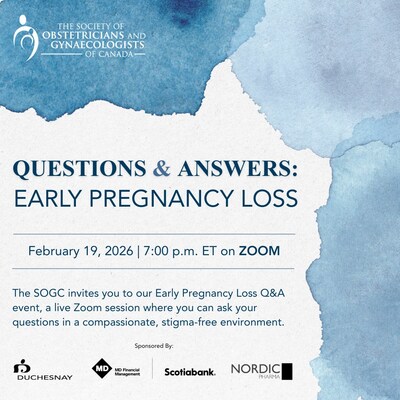
As part of its educational initiative, the SOGC is hosting upcoming live events focused on early pregnancy loss and menopause. These sessions will bring together gynecologists and women who have personal experiences with these issues, creating a space for accurate information sharing and question answering.
“When women understand what is happening to their bodies and the options available to them, they are better equipped to make informed choices for themselves,” the SOGC stated in their announcement.
The problem of health misinformation extends beyond Canada, with global health organizations increasingly identifying online misinformation as a public health threat. The World Health Organization has previously labeled the spread of health misinformation an “infodemic,” highlighting how false information can undermine public health efforts and individual care decisions.
For Canadians seeking reliable information on reproductive and sexual health, the SOGC directs people to their suite of educational resources available through their website, which includes specialized portals addressing specific aspects of women’s health across different life stages.
These efforts represent part of a growing response from medical organizations to combat health misinformation with accessible, evidence-based alternatives that support informed healthcare decision-making for women across the country.
Fact Checker
Verify the accuracy of this article using The Disinformation Commission analysis and real-time sources.

12 Comments
Addressing the root causes of health misinformation is a complex challenge, but the SOGC’s awareness campaign is a step in the right direction. Empowering the public with factual information and directing them to trusted sources could help turn the tide.
Agreed. Misinformation thrives in the absence of accessible, science-based guidance. The SOGC’s efforts to combat this trend and promote evidence-based sexual/reproductive health education are critical for public wellbeing.
The SOGC’s warning about the dangers of online health misinformation is a sobering reminder of the real-world consequences this trend can have. Reproductive and sexual health are sensitive topics where reliable information from trusted sources is essential. This awareness campaign is an important public service.
The SOGC is right to be sounding the alarm on this problem. In an age of digital echo chambers, combating the spread of health falsehoods should be a top priority for medical authorities. Kudos to them for taking a proactive, public-facing stance.
Kudos to the SOGC for taking a strong stance against the proliferation of online health misinformation. Reproductive health is a sensitive and crucial area where scientific accuracy is paramount. Their awareness campaign is a timely and necessary initiative.
Absolutely. In an era where misinformation can spread like wildfire, it’s crucial for respected medical authorities to step up and counter false narratives with evidence-based guidance. The SOGC is playing a vital role in protecting public wellbeing.
The SOGC is taking an important stand against the growing problem of online health misinformation. Reproductive health is a sensitive topic where accurate, science-based guidance is essential. Kudos to the organization for prioritizing this awareness campaign.
Concerning to see misinformation spreading online about critical health topics. It’s crucial that reputable organizations like SOGC step up to provide accurate, evidence-based information to the public. Combating false narratives is an important public service.
Agreed. Misinformation can have real consequences, especially around sensitive health issues. The SOGC is right to be proactive in raising awareness and directing people to trusted medical sources.
As someone working in the mining and energy sectors, I’m curious to understand if the SOGC has observed any links between health misinformation and topics relevant to our industries, such as the environmental or social impacts of resource extraction. An integrated approach could be beneficial.
As someone interested in the mining and energy sectors, I’m curious to learn more about how this health misinformation issue may be impacting those industries as well. Are there any ripple effects or emerging trends the SOGC has observed?
That’s an interesting angle. Misinformation can undermine public trust and impact industries in unexpected ways. It would be worthwhile for the SOGC to examine any intersections with resource extraction, manufacturing, or other related sectors.