


Listen to the article
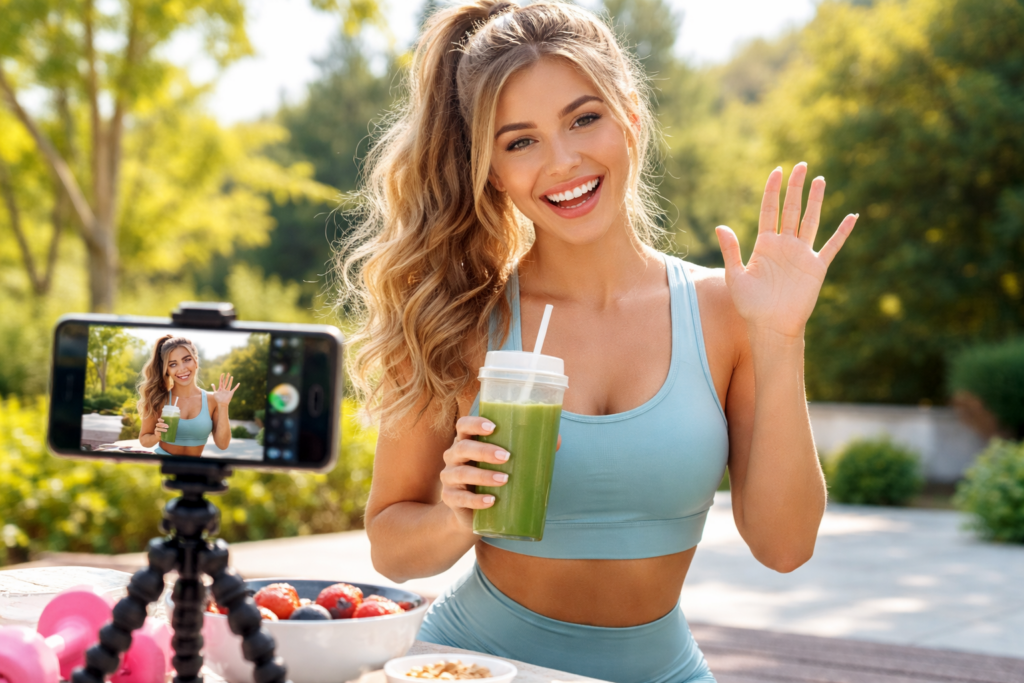
In a digital landscape crowded with voices seeking attention, social media influencers have emerged as powerful figures who shape consumer behavior across numerous industries. However, a growing concern among health professionals centers on unqualified influencers dispensing medical advice and promoting health products—a trend that new research suggests has reached alarming proportions.
A recent analysis published in the British Medical Journal has quantified what many health professionals have long suspected: the influencer-driven health market represents a significant public health challenge. According to the study, over 70% of young American adults now follow social media influencers, with more than 40% reporting they have purchased products based solely on influencer recommendations.
The research highlights a troubling disconnect between influence and expertise. While these social media personalities command massive audiences and wield considerable persuasive power, the vast majority lack medical credentials or formal health training. Despite this absence of qualifications, they confidently promote supplements, wellness regimens, and even medical interventions to millions of followers.
“The primary motivation for most of these influencers is financial gain,” notes the BMJ report, pointing out that this profit-driven approach leads many to promote supplements and health products regardless of scientific evidence supporting their efficacy or appropriateness for individual consumers.
Health experts warn that this phenomenon extends beyond mere consumer disappointment. While some influencer-promoted products might simply waste money or time, others can pose genuine health risks—particularly when they encourage followers to delay seeking conventional medical treatment or abandon prescribed medications in favor of unproven alternatives.
The scale of this influence represents a significant shift in how health information reaches the public. Traditional gatekeepers like medical journals, healthcare providers, and public health authorities now compete with charismatic personalities who can reach millions instantly through engaging content designed to maximize views rather than accuracy.
Regulatory bodies have struggled to keep pace with this rapidly evolving landscape. The line between offering general wellness advice and practicing medicine without a license has become increasingly blurred on social media platforms. Meanwhile, disclosure requirements for sponsored content vary widely across platforms and jurisdictions, often leaving consumers unaware when health recommendations are actually paid advertisements.
The dietary supplement industry, valued at over $55 billion globally, has particularly benefited from influencer marketing. Unlike pharmaceutical products, supplements face minimal regulatory oversight in many countries, making them attractive products for influencers to promote without navigating strict advertising guidelines.
Medical professionals express particular concern about vulnerable populations who may be more susceptible to health misinformation. Young adults facing chronic health issues, individuals with limited healthcare access, and those frustrated by conventional medicine’s limitations often turn to influencers offering simple solutions and dramatic testimonials.
“What makes these influencer campaigns particularly effective is their personal approach,” explains Dr. Sarah Jenkins, a health communication researcher not affiliated with the BMJ study. “Unlike traditional advertising, influencers create parasocial relationships—one-sided connections where followers feel they know and trust the influencer personally, making their recommendations seem more like advice from a friend than commercial marketing.”
Public health advocates are calling for multiple approaches to address the problem, including enhanced digital literacy education, clearer platform policies regarding health content, and stronger enforcement of existing advertising regulations in the digital space.
As social media continues to evolve as a primary information source for many consumers, the challenge of distinguishing between qualified health guidance and profit-driven influence remains a critical public health issue—one that requires coordinated efforts from regulators, platforms, medical professionals, and consumers themselves.
Fact Checker
Verify the accuracy of this article using The Disinformation Commission analysis and real-time sources.

9 Comments
This is a real public health challenge that requires urgent action. Influencers without medical training should not be allowed to promote health products or treatments. Stronger regulations and enforcement are needed to protect vulnerable consumers, especially younger audiences.
This is concerning. Influencers without medical expertise should not be dispensing health advice or promoting products. Their influence can lead to real harm if people follow their recommendations blindly. Stronger regulation and transparency around influencer marketing is needed.
It’s alarming how many people are making purchasing decisions based solely on influencer recommendations, especially when those influencers lack relevant health credentials. Consumers need to be more discerning and verify claims before taking health advice from social media personalities.
Absolutely. Relying on unqualified influencers for medical guidance is extremely risky. People should always consult licensed healthcare providers for any serious health concerns.
It’s troubling that so many people are making major health decisions based on influencer recommendations rather than consulting licensed professionals. More needs to be done to educate consumers on verifying claims and identifying credible sources of medical advice online.
Agreed. Influencers should stick to their areas of expertise and refrain from giving medical advice. Consumers have to be vigilant about separating entertainment from legitimate health information.
This is a disturbing trend. Social media influencers wield significant influence, but that power comes with a responsibility to provide accurate, science-based information on health topics. Regulators should step in to curb the spread of medical misinformation from these unqualified sources.
The influence of social media personalities on consumer behavior is undeniable, but using that platform to spread medical misinformation is highly irresponsible. Policymakers need to find ways to hold these influencers accountable and limit the spread of potentially harmful health claims.
While influencers can be effective at driving product sales, using their platforms to promote unproven or potentially dangerous health claims is highly irresponsible. Stricter guidelines and enforcement are needed to protect vulnerable consumers, especially young people.