


Listen to the article
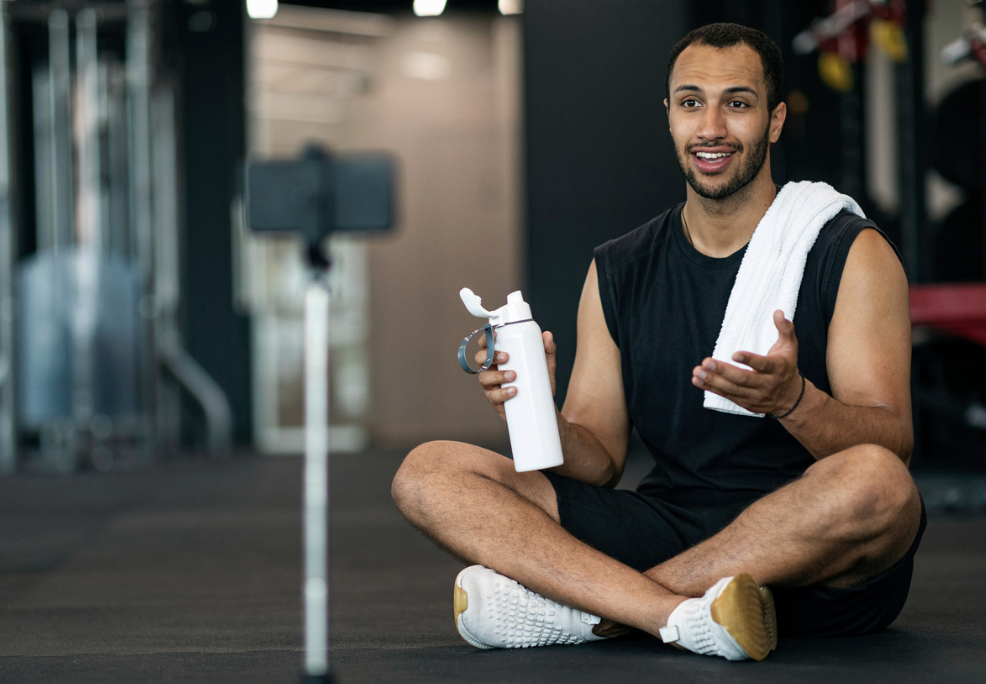
In the age of social media, health misinformation spreads faster than ever, transforming everyday users into self-proclaimed wellness experts overnight. What begins as a simple gym selfie can quickly morph into perceived medical authority, while viral reels become substitutes for rigorous scientific research.
Health professionals are increasingly concerned about this trend, where personal anecdotes are being mistaken for universal truths. The core issue isn’t people sharing their experiences—that’s a natural human tendency. The problem arises when these individual stories get repackaged as definitive health advice applicable to everyone.
“What works for one person’s body can be completely inappropriate or even harmful for another,” says Dr. Sarah Michaels, a nutritionist at Columbia University Medical Center. “Yet we’re seeing these oversimplified health claims spread like wildfire across platforms.”
The appeal of health misinformation lies largely in its simplicity. Legitimate health guidance tends to be nuanced and, frankly, mundane: maintain a balanced diet, prioritize quality sleep, exercise regularly, and schedule routine medical check-ups. Such conventional wisdom rarely captures attention online.
By contrast, sensational claims like “This one fruit burns belly fat overnight” or “The superfood that cures depression” generate immediate engagement. These eye-catching statements rapidly circulate through family messaging groups, influencer pages, and social media feeds. Through sheer repetition, these claims begin to feel credible, regardless of scientific backing.
Fear is another powerful driver of health misinformation. Posts warning about supposed “hidden toxins” in everyday foods or alleging medical conspiracies tap into existing distrust of established healthcare systems. This emotional manipulation proves particularly effective in the digital realm.
“People are naturally drawn to content that creates strong emotional responses,” explains Dr. James Richardson, a digital media researcher at Stanford University. “Social media algorithms are designed to reward engagement, and nothing drives engagement like fear or outrage. Unfortunately, scientific accuracy doesn’t trigger the same algorithmic rewards.”
The World Health Organization has identified health misinformation as a serious public health threat, noting that false narratives can lead people to reject conventional treatments, delay seeking necessary medical care, or adopt potentially harmful practices.
The COVID-19 pandemic highlighted this problem on a global scale. A 2022 study published in the Journal of Medical Internet Research found that health misinformation shared on social platforms contributed to vaccine hesitancy and the promotion of unproven treatments, sometimes with deadly consequences.
Health authorities and social media companies have attempted to address the issue through fact-checking initiatives and content moderation policies. However, the sheer volume of health content being shared daily makes comprehensive oversight challenging.
Medical professionals suggest several strategies for consumers to protect themselves from misinformation. First, verify information through multiple reliable sources, particularly government health agencies, academic medical centers, and peer-reviewed research. Second, be skeptical of miraculous claims or treatments that sound too good to be true. Third, consider the credentials of those providing health advice—personal experience doesn’t equal expertise.
“The democratization of information through social media has many benefits, but it has also erased the distinction between expert and amateur in many people’s minds,” notes Dr. Lisa Patel, who specializes in digital health communication. “We need to rebuild that distinction without being elitist about it. Your health deserves information that’s based on evidence, not engagement metrics.”
As platforms continue to evolve, the responsibility for combating health misinformation falls on multiple shoulders—from tech companies improving their algorithms to detect false claims, to media literacy education in schools, to individuals becoming more discerning consumers of health content.
In an information ecosystem where likes often trump scientific consensus, developing critical thinking skills has become as essential to public health as any vaccine or treatment protocol.
Fact Checker
Verify the accuracy of this article using The Disinformation Commission analysis and real-time sources.

14 Comments
The potential for harm from health misinformation on social media is quite alarming. Individuals should be cautious about blindly accepting unqualified advice, and focus on consulting licensed professionals for legitimate medical guidance.
Absolutely, the stakes are high when it comes to public health. Social media platforms have a responsibility to curb the spread of misleading medical claims, while users must remain vigilant critical thinkers.
The rapid spread of health misinformation through social media is a concerning trend with potentially serious public health implications. Regulating the dissemination of unsubstantiated medical claims online should be a top priority for policymakers and tech companies.
I agree, the proliferation of unverified health advice on social media is a real threat. Stronger safeguards and content moderation policies are needed to combat this issue and protect vulnerable users.
This is a worrying trend that could have serious consequences. Social media’s ability to rapidly spread misinformation, even about important health topics, is quite concerning. We need to find ways to promote more reliable, science-based information online.
I agree, the spread of health misinformation on social media is a real problem. It’s crucial that users are critical consumers of online health content and seek guidance from qualified medical professionals.
It’s interesting how personal anecdotes can so easily be misinterpreted as universal health advice on social media. Maintaining nuanced, evidence-based perspectives on complex medical issues is clearly an ongoing challenge in the digital age.
You’re right, the oversimplification of health information is a real issue. Individuals should be wary of making broad claims about what works for their own bodies and health.
This is a complex issue without easy solutions. The appeal of simplified health advice is understandable, but it’s crucial that social media users recognize the importance of relying on qualified experts and empirical evidence, not just personal anecdotes.
Well said. Promoting digital health literacy and critical thinking skills should be a priority, to empower people to navigate the abundance of online health information more effectively.
This article highlights an important public health concern. While social media can empower users to share their experiences, it also risks fueling the spread of unsubstantiated health claims. Maintaining scientific rigor and critical thinking is key.
I agree, the medical community needs to find ways to combat the proliferation of health misinformation online. Promoting trusted, evidence-based sources should be a priority.
This article raises important points about the dangers of health misinformation on social media. While personal stories can be relatable, they should not be mistaken for definitive medical guidance. Promoting science-based information and media literacy is crucial to addressing this problem.
Absolutely. Empowering people to think critically about online health claims, and directing them to trusted sources, will be key to mitigating the spread of misinformation and protecting public wellbeing.