


Listen to the article
A popular online personality known as Angry Ginge has sparked debate by calling for children under 14 to be banned from using TikTok, citing concerns about the platform’s impact on young users’ mental health and development.
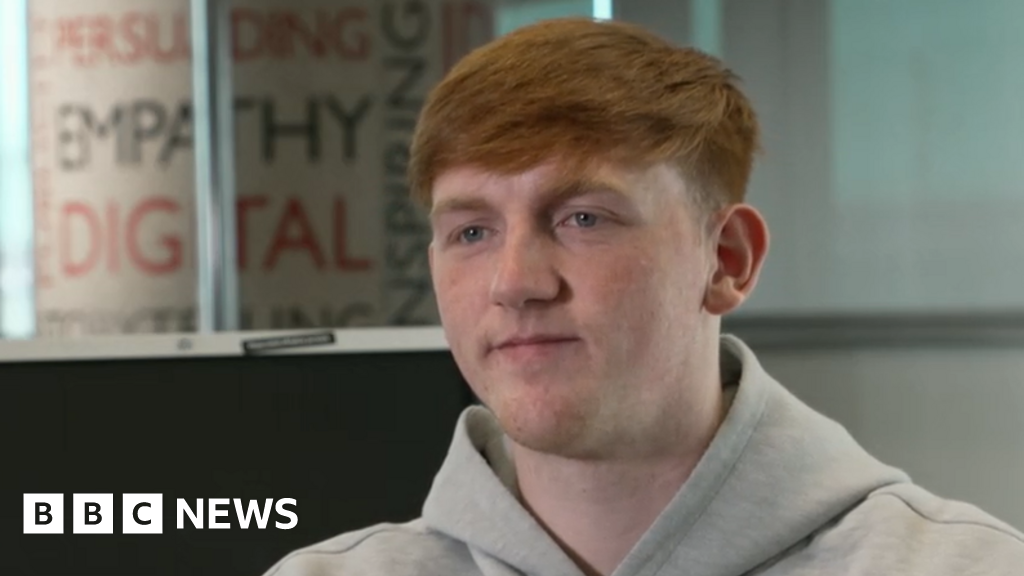
The content creator, whose real name is Sam Cuss, has amassed over 2.2 million followers on the platform with his distinctive orange hair and comedic rants about everyday situations. Despite his success on the platform, Cuss has expressed serious reservations about children having unrestricted access to social media.
“I don’t think anyone under 14 should have TikTok,” Cuss told BBC’s Radio 1 Newsbeat in a recent interview. He explained that his concern stems from observing the platform’s effects on younger siblings and their friends, noting significant changes in behavior and social interactions.
The 29-year-old comedian specifically highlighted how the app’s algorithm quickly learns users’ preferences, potentially exposing young people to inappropriate content despite the platform’s official age requirement of 13. TikTok has faced increasing scrutiny from regulators and child safety advocates worldwide regarding its content moderation practices and age verification systems.
Child psychology experts have backed similar concerns in recent years. Dr. Emma Waddington, a child development specialist, explains that early adolescence is a critical period for brain development and identity formation. “Constant exposure to social media during these formative years can significantly impact how young people view themselves and interact with others,” she said when asked about the issue.
The debate comes amid growing global concern about children’s social media use. Several countries, including the UK, have introduced or are considering legislation that would require stronger age verification and enhanced protections for minors online. The UK’s Online Safety Act, which came into effect earlier this year, places new legal responsibilities on platforms like TikTok to protect young users.
TikTok has responded to such concerns by implementing features like Family Pairing, which allows parents to link their accounts to their children’s and control settings like screen time limits and content restrictions. However, critics argue these measures are insufficient as they rely on parental initiative and can be easily circumvented.
Cuss’s stance reflects a growing trend among content creators who, despite benefiting from social media platforms, express reservations about their broader societal impact. “Just because I’m on there doesn’t mean everyone should be,” he said, acknowledging the irony of his position.
Industry analysts note that TikTok’s user base includes a significant proportion of young teens, with an estimated 25% of users in many markets falling between the ages of 10 and 19. The platform’s parent company, ByteDance, has faced consistent pressure from regulators in multiple countries regarding data privacy and content concerns.
Child welfare organizations have welcomed Cuss’s comments. The National Society for the Prevention of Cruelty to Children (NSPCC) has previously called for stronger age verification mechanisms across all social platforms, citing research showing nearly 80% of children have social media accounts before reaching platforms’ minimum ages.
Parents interviewed about the issue expressed mixed opinions, with many acknowledging the difficulty of enforcing social media restrictions when children’s peers have access. “It’s a constant battle,” said Melissa Thornton, mother of a 12-year-old. “When all their friends are on these platforms, keeping them off becomes increasingly difficult.”
Some educational institutions have taken matters into their own hands. Several UK schools have implemented phone-free policies and digital literacy programs to help students navigate online spaces safely.
As the debate continues, technology companies face mounting pressure to develop more effective age verification systems and content moderation tools. Meanwhile, digital literacy educators emphasize the importance of teaching children critical thinking skills to help them navigate online environments safely, regardless of which platforms they use.
Fact Checker
Verify the accuracy of this article using The Disinformation Commission analysis and real-time sources.

8 Comments
This is a sensitive issue without easy solutions. Banning minors from popular platforms could have unintended consequences, so a nuanced, multi-stakeholder approach seems prudent to address the valid concerns raised.
Well said. Collaborative efforts between platforms, regulators, and child development experts will be crucial to find the right balance.
Interesting perspective on the potential risks of social media for young users. While age restrictions could help, effective content moderation and education may be equally important to address the complex challenges around child online safety.
I agree, balancing access and protection is tricky. Thoughtful policies and tools that empower parents/guardians are needed to support healthy digital experiences for youth.
While I understand the YouTuber’s concerns, outright bans may be overly blunt. Constructive dialogue and innovative solutions that empower parents/guardians seem more promising to me. Balancing digital opportunities and risks for youth is an ongoing challenge.
This is a tricky issue without easy answers. I think the YouTuber raises valid points, but a more nuanced, collaborative approach involving platforms, regulators, and child development experts would likely be more effective than blanket age restrictions.
As someone who works in the commodities space, I’m curious to hear if there are any lessons or parallels we can draw from responsible mining practices and community engagement that could apply to the social media age restrictions debate.
That’s an interesting angle. Both industries grapple with complex trade-offs around access, safety, and community impact. Cross-pollination of best practices could yield valuable insights.