


Listen to the article
In a pointed critique of India’s digital regulation landscape, Congress MP Rajeev Shukla has called on the government to establish a comprehensive policy framework for social media platforms, highlighting the urgent need to combat misinformation and protect vulnerable users.
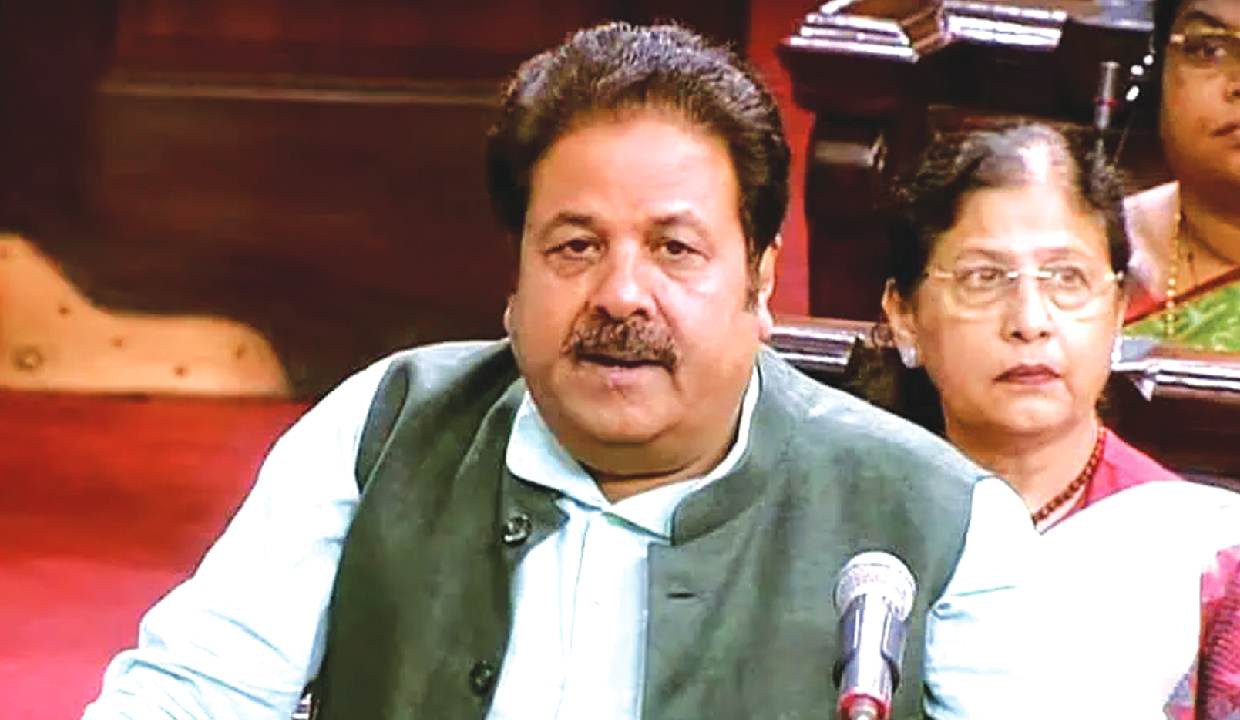
Speaking during the Rajya Sabha’s Zero Hour session on Friday, Shukla expressed concern over the lack of accountability mechanisms for online platforms that spread false information or damage individuals’ reputations. His remarks reflect growing anxiety among legislators about the unchecked influence of social media companies operating in India, the world’s second-largest internet market with over 800 million users.
“The government has failed to establish clear lines of responsibility for the spread of misinformation and character assassination on social media platforms,” Shukla stated, drawing attention to what many consider a significant regulatory gap in India’s digital governance structure.
The Congress MP’s appeal gained emotional weight as he referenced a recent tragedy involving three teenage girls who reportedly took their own lives while under the influence of a Korean online game. The incident has reignited debates about online safety and content moderation, particularly regarding impressionable young users.
“Whose responsibility is it to protect the mental health of a teenager who is broken under the pressure of digital illusion, unrealistic expectations, and online pressure?” Shukla asked fellow parliamentarians, framing the issue as both a regulatory failure and a public health concern.
India has witnessed a sharp increase in social media usage over the past decade, with platforms like Facebook, Twitter (now X), Instagram, and YouTube commanding hundreds of millions of users. More recently, short-video platforms such as TikTok alternatives and messaging apps have further expanded the digital ecosystem, creating new challenges for regulators and legislators.
The call for enhanced regulation comes amid a global reckoning with social media’s societal impact. Several countries, including the European Union with its Digital Services Act, have moved to implement stringent regulations that hold platforms accountable for harmful content. India’s own Information Technology Rules, amended in 2021, attempted to address some concerns, but critics argue they fall short of creating meaningful accountability.
Mental health experts have increasingly voiced concerns about the psychological impact of unchecked social media consumption on young people. Dr. Soumitra Pathare, Director of the Centre for Mental Health Law and Policy, noted in a recent study that “social media platforms are designed to maximize engagement without adequate safeguards for vulnerable populations, particularly adolescents whose decision-making capacities are still developing.”
Industry observers point out that any new regulatory framework would need to balance free speech concerns with public safety. Tech companies have historically resisted attempts at regulation, citing technical challenges in content moderation at scale and concerns about potential censorship.
The Internet and Mobile Association of India, representing many tech platforms, has advocated for self-regulation approaches, but critics argue these measures have proven insufficient given the scale of misinformation and harmful content online.
Shukla’s intervention adds to mounting pressure on the government to address digital harms more comprehensively. Several parliamentary committees have previously examined aspects of digital regulation, but comprehensive legislation has remained elusive.
As India prepares for further digital expansion with 5G rollouts and increasing smartphone penetration in rural areas, the question of social media governance has taken on new urgency. Experts suggest that any effective policy would need to include clear definitions of harmful content, transparent enforcement mechanisms, and significant penalties for non-compliance.
The Ministry of Electronics and Information Technology has not yet formally responded to Shukla’s call, but government sources indicate that revised digital regulation measures are under consideration as part of broader efforts to update India’s technology governance framework.
Fact Checker
Verify the accuracy of this article using The Disinformation Commission analysis and real-time sources.

12 Comments
While regulating social media is challenging, Shukla’s call for a comprehensive policy framework is a sensible approach. Clearly defined accountability mechanisms could help address the harms of misinformation.
I agree, a balanced regulatory approach is needed to protect users without stifling innovation. Finding the right balance will be critical.
The tragic case of the teenage girls highlights the very real consequences of unchecked social media influence. Shukla is right to demand the government take stronger action to safeguard vulnerable populations.
Absolutely. Protecting youth and promoting digital well-being should be a key priority for policymakers as they develop new regulations.
Interesting to see a legislator take a proactive stance on this issue. Shukla is right to push for clearer rules and responsibilities for social media companies operating in India’s massive digital landscape.
Yes, the scale of India’s online population underscores the urgent need for effective regulation. Tackling misinformation is crucial to maintain a healthy digital ecosystem.
Tragic to hear about the young lives lost due to harmful online influences. Stronger regulations and safeguards are essential to ensure social media does not contribute to such tragedies.
Absolutely. Protecting vulnerable users, especially youth, should be a top priority in any social media policy framework.
Shukla’s comments reflect a growing awareness among lawmakers about the dangers of social media misinformation. Establishing clear responsibility for platforms is an important step, but implementation will be crucial.
Yes, the devil will be in the details. Crafting effective regulations that balance free expression and user safety will require careful consideration.
Regulating social media misinformation is a complex challenge, but necessary to protect vulnerable users. Shukla’s call for a comprehensive policy framework is a step in the right direction to improve digital governance and accountability.
I agree, the lack of clear responsibility mechanisms is a concerning gap that needs to be addressed. Platforms must be held accountable for the spread of false information on their networks.