


Listen to the article
In an effort to dispel persistent myths surrounding autism spectrum disorder, NPR’s Short Wave podcast recently addressed widespread misinformation that continues to circulate, including recent claims made by the Trump administration.
The episode featured NPR Science Correspondent Jon Hamilton, who joined host Emily Kwong to provide clarity on what scientific research has actually established about autism, contrasting verified facts with misconceptions that have gained traction in public discourse.
Among the false claims discussed were assertions that certain demographic groups are immune to autism and the unfounded suggestion that taking Tylenol (acetaminophen) during pregnancy causes the condition to develop in children. These claims, which have been amplified by political figures, contradict established scientific understanding.
Medical experts emphasize that autism spectrum disorder is diagnosed based on a specific set of behavioral characteristics. These include difficulties with social cue recognition, avoidance of eye contact, literal thinking patterns, preference for strict routines, and intensely focused interests in particular subjects. However, specialists stress that autism presents uniquely in each individual, with varying combinations and intensities of these traits.
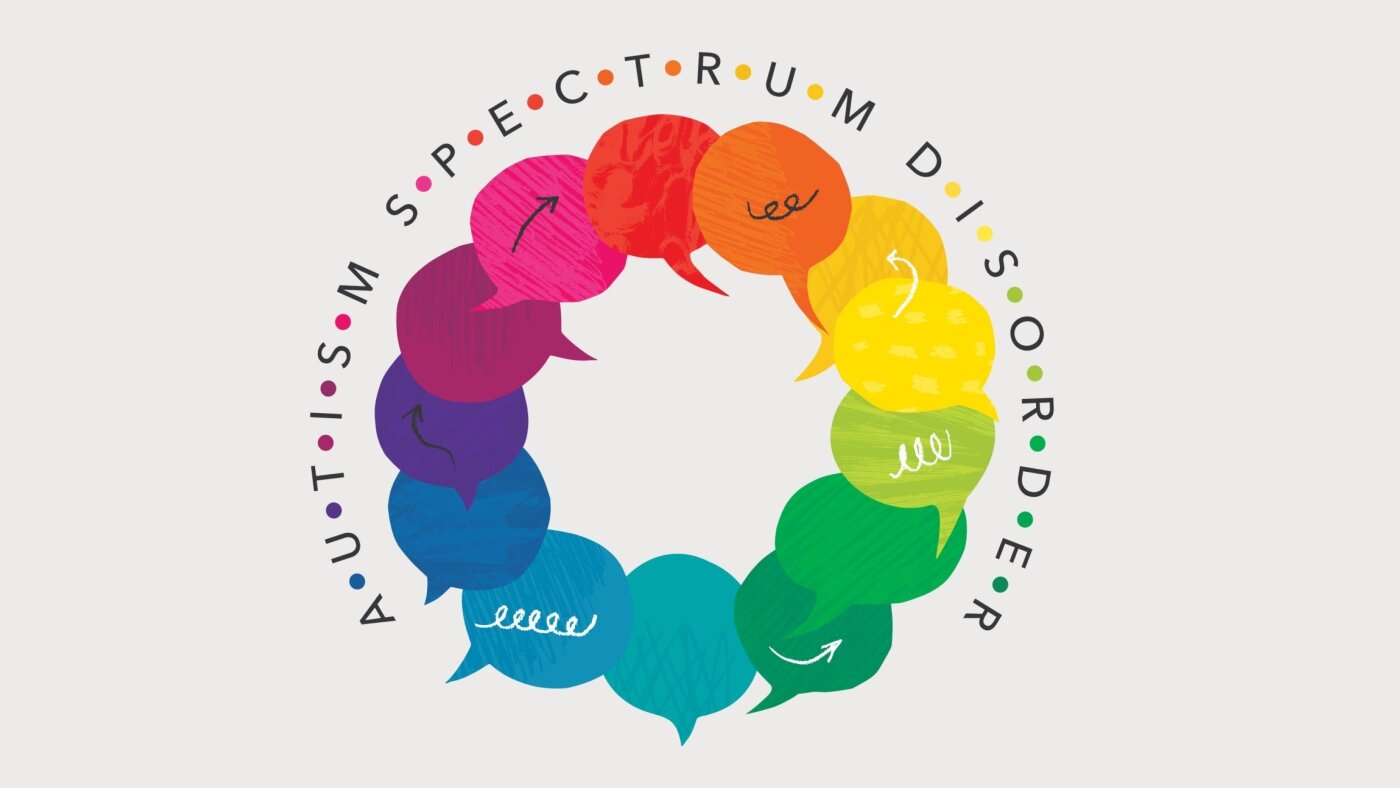
The visual representation of autism has evolved in recent years, moving away from simplistic symbols toward more nuanced imagery that reflects the spectrum nature of the condition. Modern visualizations often include rainbow-colored speech bubbles arranged in circular patterns to represent the diverse manifestations of autism across individuals.
This educational initiative comes at a critical time when public understanding of neurodevelopmental conditions faces challenges from politicized misinformation. Healthcare professionals have expressed growing concern about how misconceptions can affect diagnosis rates, treatment approaches, and public policy decisions regarding support services.
The autism research community has made significant strides in recent decades, developing more sophisticated diagnostic tools and therapeutic approaches. However, the persistence of myths demonstrates the ongoing need for evidence-based public education efforts.
For listeners seeking additional information, the podcast referenced related episodes including an in-depth interview with an autism researcher specifically addressing claims about Tylenol, as well as coverage of promising research into potential treatments for Fragile X syndrome, a genetic condition associated with autism.
This episode represents part of a broader effort by science communicators to counter misinformation with accessible explanations of complex medical topics. Public health experts consistently emphasize that accurate information is essential for families navigating diagnosis and treatment options for developmental conditions.
The ongoing research into autism continues to refine understanding of its genetic and environmental factors, though scientists caution that simplified explanations of causation often fail to capture the complex interplay of multiple factors that contribute to neurodevelopmental differences.
NPR’s coverage encourages listeners with science-related questions to submit them directly to the Short Wave team, continuing the conversation about important health topics and ensuring that evidence-based information reaches the public amid competing narratives.
The episode was produced by Berly McCoy, edited by Rebecca Ramirez, with fact-checking by Tyler Jones and audio engineering by Damian Herring, reflecting the collaborative effort required to translate complex scientific information into accessible public education.
Fact Checker
Verify the accuracy of this article using The Disinformation Commission analysis and real-time sources.

19 Comments
It’s concerning to see how political rhetoric can influence public understanding of autism. Relying on established scientific research is critical to ensure proper support and treatment for those affected.
This is an important discussion. Autism is a complex condition, and we need to listen to the experts rather than perpetuating unsubstantiated claims. Appreciate NPR’s commitment to scientific accuracy.
Absolutely. Spreading misinformation, especially around health and medical issues, can have serious consequences. Fact-based reporting is crucial.
Spreading misinformation about vulnerable populations like those with autism is extremely irresponsible, especially when done by public figures. Kudos to NPR for setting the record straight.
It’s concerning to see political figures make unsupported claims about autism. Science and medicine should be the guides, not ideology or agenda. Glad to see the facts being set straight.
It’s good to see the facts being laid out clearly. Autism is a complex condition, and we need to rely on medical experts, not political rhetoric, to guide our understanding and support.
Absolutely. Separating myth from reality is essential, especially when it comes to health and wellbeing.
While I appreciate the effort to dispel myths, I’m concerned that this type of misinformation continues to spread, especially when amplified by political figures. We need to be vigilant about fact-checking.
This podcast episode sounds like a valuable resource for separating fact from fiction when it comes to autism. Appreciate the effort to counter persistent myths with verified information.
Agreed. Providing accurate, evidence-based guidance is so important, especially on sensitive topics like this.
Glad to see NPR taking on this important issue. Addressing misinformation and promoting scientific understanding is crucial, especially when it involves vulnerable populations.
Interesting to learn more about the core diagnostic criteria for autism spectrum disorder. Focusing on the actual behavioral characteristics is crucial for proper understanding and support.
Absolutely. Getting the science right is so important, rather than relying on unsubstantiated theories or anecdotal claims.
I’m glad to see this podcast episode addressing the persistent myths around autism. Rigorous, evidence-based reporting is essential to counter harmful misconceptions.
Agreed. Relying on established medical expertise is key when it comes to understanding complex conditions like autism.
I appreciate NPR taking the time to address these misconceptions about autism. Identifying and correcting false claims is an important public service.
Agreed. Separating myth from reality is key, especially on sensitive health topics where people’s wellbeing is at stake.
It’s good to see the scientific facts being clarified around autism. We need to rely on reputable medical experts, not political figures, when it comes to understanding this complex condition.
Absolutely. Spreading misinformation can be very harmful, especially for vulnerable populations. Fact-checking and evidence-based reporting is crucial.