


Listen to the article
The Science of Misinformation: Understanding How Fake News Spreads and How to Combat It
In an era of information overload, false claims spread with unprecedented speed and reach. Misinformation doesn’t discriminate—it affects political discourse, healthcare decisions, and social cohesion across communities worldwide.
Recent studies have revealed that false information travels faster online than truth. Research published in Science demonstrates that misinformation spreads more rapidly because it typically contains shocking or emotional content that triggers sharing behaviors among users. What’s perhaps more concerning is that automated social bots play a significant role in this distribution network.
During the period when former U.S. President Donald Trump moved to withdraw from the Paris Climate Agreement, researchers found that approximately 25 percent of all climate change-related tweets originated from bots rather than humans, highlighting the sophisticated mechanisms behind misinformation campaigns.
Understanding the terminology is crucial for addressing the problem. Experts distinguish between several related concepts: misinformation refers to false information that may be spread either intentionally or unknowingly; disinformation specifically involves an intent to mislead others; and fake news describes false information presented in a sensational manner that mimics legitimate news content.
Our susceptibility to false information stems from several psychological phenomena. The illusory truth effect—also known as the familiarity effect—makes us more likely to believe information we’ve encountered multiple times. Confirmation bias leads us to readily accept information that aligns with our existing beliefs while questioning contradictory data. These natural cognitive tendencies, combined with the overwhelming volume of information we process daily, make fact-checking every claim virtually impossible.
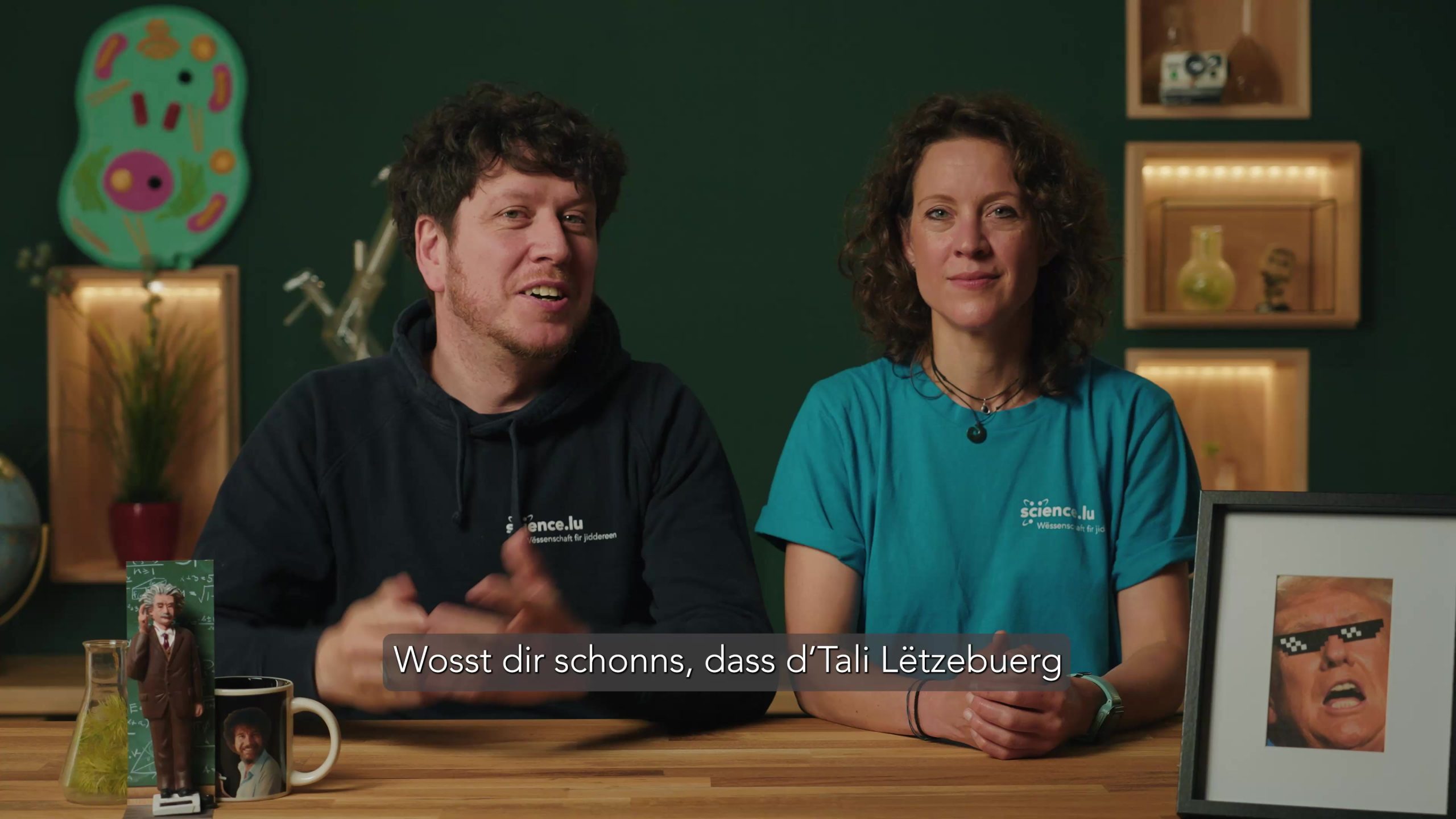
“Being aware of these effects, questioning yourself, and maintaining a critical perspective are the first steps toward not falling for misinformation,” explains Jean-Paul Bertemes from Luxembourg’s National Research Fund (FNR), who presented findings from the comprehensive “Debunking Handbook” compiled by an interdisciplinary research team.
Prevention remains the most effective approach. Studies demonstrate clear benefits to warning people about potential misinformation, either through specific alerts or by strengthening media literacy. Teaching individuals to verify sources, examine the credibility of information providers, and consider the motives behind content creation significantly reduces the likelihood of sharing false information.
But what about when misinformation has already gained traction? Is debunking effective, or does it simply amplify the false message?
Researchers previously worried about the “boomerang effect”—the paradox that repeating misinformation during debunking might inadvertently reinforce it. However, newer studies offer reassurance: when done correctly, debunking’s positive impact outweighs this potential downside.
The effectiveness of debunking varies across contexts. In highly polarized societies like the United States, research indicates that supporters of politicians often remain loyal even after learning their preferred candidate lied. By contrast, in less polarized environments, exposing falsehoods tends to have a more significant impact on public opinion.
When debunking is necessary, experts recommend a specific structure: begin with the correct information presented clearly and concisely; acknowledge the misinformation while immediately labeling it as false; provide compelling evidence demonstrating why the false claim is incorrect; and conclude by restating the accurate information.
This method addresses a fundamental challenge: misinformation often gains an advantage through its simplistic, emotionally charged nature, while proper debunking requires nuance and detail. Despite this inherent disadvantage, the research suggests that thorough debunking remains valuable.
“Misinformation, disinformation, and fake news damage our democracies and our societies,” Bertemes emphasizes. “To stop people from sharing misinformation, it helps to post warnings, preventively boost their media literacy, and encourage a more critical evaluation of sources.”
As information ecosystems grow increasingly complex, developing the skills to identify, evaluate, and respond to misinformation becomes not just an individual benefit but a collective necessity for maintaining healthy democratic discourse.
Fact Checker
Verify the accuracy of this article using The Disinformation Commission analysis and real-time sources.

13 Comments
This is a really timely and important article. The speed at which misinformation can spread is truly alarming. I’m glad to see research being done to better understand the dynamics at play so we can develop effective strategies to combat it.
Absolutely. Misinformation is a major threat to public discourse and decision-making. Investing in media literacy education could go a long way in equipping people to spot and resist the spread of false claims.
This is a sobering read but an important one. The proliferation of misinformation is one of the biggest challenges we face as a society. I hope this research can help develop more effective ways to counter the spread of false claims, especially around technical/scientific topics.
Agreed, we need to get much better at inoculating the public against misinformation. Equipping people with critical thinking skills is key, along with robust fact-checking efforts.
Fascinating insights into the dynamics behind the spread of misinformation. The role of bots and emotional content is really eye-opening. This underscores the importance of media literacy education and robust fact-checking efforts. We can’t let falsehoods drown out the truth.
As someone with a background in energy and commodities, I’m acutely aware of the impact misinformation can have on public perceptions and policy decisions. This article lays out the mechanics very clearly. Combating the spread of falsehoods must be a top priority.
Absolutely. Misinformation can have real-world consequences, especially when it comes to complex technical and scientific issues. Maintaining public trust in facts and evidence-based decision-making is crucial.
As someone working in the mining/commodities space, I found this article very relevant. Misinformation can have real-world impacts on markets and policy decisions. Glad to see research highlighting the mechanics behind the problem – that’s the first step towards solutions.
Fascinating look at how misinformation and fake news spread so rapidly online. The role of bots and emotional content in amplifying falsehoods is really concerning. We need to be vigilant about fact-checking and calling out disinformation when we see it.
Agreed. Critical thinking and media literacy are so important these days to avoid falling for misleading claims, especially around complex topics like climate change.
Wow, the statistics around bot activity in climate change discussions are really eye-opening. No wonder truth has such a hard time cutting through the noise online. This underscores the need for robust fact-checking and digital literacy efforts.
Agreed, it’s crucial that we all develop a more critical eye when consuming information online. Fact-checking should be second nature, not an afterthought.
As someone interested in the mining/commodities sector, I found this article very relevant. Misinformation can have real impacts on markets and policy decisions. Glad to see research delving into the mechanics behind the problem – that’s the first step towards developing effective solutions.