


Listen to the article
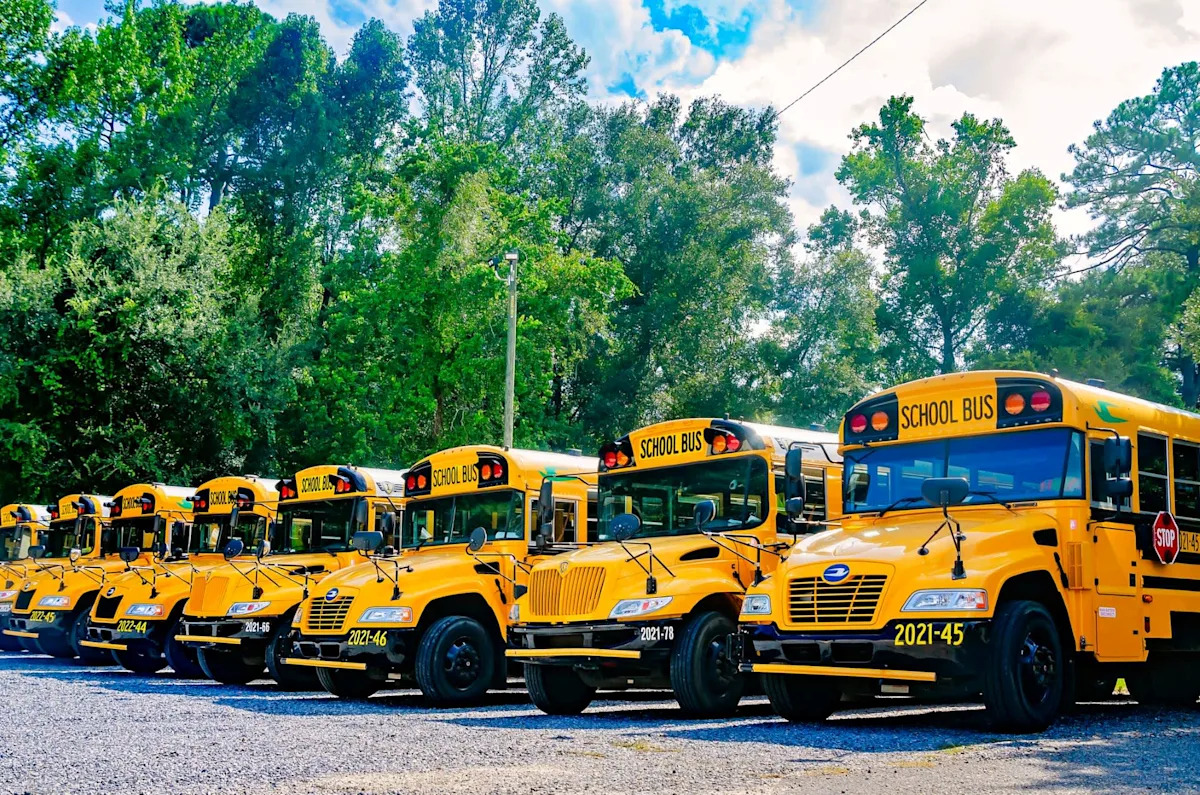
Recent studies and investigations have confirmed that electric vehicles (EVs) are not more prone to catching fire than conventional gasoline-powered vehicles, despite public perception following a series of electric school bus fires in Quebec. These incidents prompted temporary suspension of 1,200 Lion Electric buses while authorities conducted thorough investigations into the causes.
Transport Canada, the federal agency leading the investigation, has clarified that their focus is primarily on issues with the low-voltage heating systems rather than the battery components. Lion Electric, the manufacturer of the buses in question, has also confirmed that “neither the electric battery nor the propulsion system was involved” in the incidents.
Despite these clarifications, the fires sparked widespread misinformation online, with numerous social media posts using images of the incidents to claim that electric school buses and EVs in general present inherent safety risks. However, these assertions contradict available research and data from multiple international sources.
Studies conducted in China and Sweden have found that EVs catch fire at similar or even lower rates than conventional vehicles with internal combustion engines. In the United States, data analyzed by AutoinsuranceEZ revealed only 25 EV fires per 100,000 vehicles sold, compared to a significantly higher 1,530 fires per 100,000 gasoline vehicles and 3,475 fires per 100,000 hybrid vehicles.
The National Fire Protection Association has supported these findings, though it continues to advocate for additional research into the subject to further enhance safety protocols and public understanding.
Experts in sustainable transportation argue that the spread of misinformation detracts from the substantial benefits electric school buses offer to students and communities. These advantages include reduced exposure to harmful diesel emissions, improved air quality around educational facilities, and quieter transportation experiences.
Research has even suggested tangible educational benefits, with one study finding that transitioning to electric buses correlates with increased student attendance rates. This evidence has encouraged school districts across North America, from East Texas to Illinois, to gradually replace traditional diesel buses with cleaner electric alternatives.
Canada remains committed to its green transportation initiatives, with national targets aiming for complete decarbonization of new vehicle sales by 2035. While critics maintain that such transition timelines are overly ambitious, environmental and transportation experts broadly agree that properly regulated clean-energy technologies represent crucial components in improving public health outcomes, reducing operational costs, and mitigating climate change impacts.
Valerie Tremblay, who leads sustainable mobility initiatives at Green Communities Canada, has emphasized that while electric bus fire incidents deserve serious attention, they remain statistically rare. Tremblay noted that most documented cases have been linked to heating components that are common to both electric and conventional bus designs, rather than to electric-specific systems.
This assessment has been reinforced by Kate Whitefoot, a mechanical engineering professor, who expressed confidence that electric vehicles demonstrate “at least similar rates of fire risk” when compared to vehicles powered by traditional combustion engines.
The ongoing investigations in Quebec serve as an important reminder that as with any evolving technology, continued safety monitoring and improvement remain essential. However, the current evidence suggests that concerns about elevated fire risks in electric vehicles compared to conventional alternatives are largely unsupported by empirical data.
As the transportation sector continues its gradual shift toward electrification, these findings highlight the importance of evidence-based discussions around the benefits and challenges associated with new vehicle technologies.
Fact Checker
Verify the accuracy of this article using The Disinformation Commission analysis and real-time sources.

13 Comments
It’s good to see experts addressing misconceptions about electric school bus safety. Thorough investigations are crucial to ensure the public has accurate information and that any technical issues are properly addressed.
It’s good to see the authorities taking a methodical approach to investigating the incidents and identifying the root causes. Focusing on the facts is the best way to address safety concerns and maintain public trust.
Agreed. Fact-based decision-making and transparency are essential, especially for critical public services like school transportation.
The data showing similar or lower fire rates for EVs compared to conventional vehicles is reassuring. Maintaining perspective and avoiding knee-jerk reactions is important when it comes to emerging technologies.
While any fire incident is concerning, it’s encouraging to see the agencies and manufacturers working to address the specific technical issues rather than fanning the flames of unfounded fears. Transparency is key.
Vigilance is always important, but it’s good to see the authorities conducting thorough investigations to pinpoint the root causes. Keeping an open mind and letting the evidence guide decisions is crucial.
Agreed. Fact-based analysis is essential, especially for critical public services like school transportation.
The clarification that the battery and propulsion system were not involved is an important point. It’s a good reminder to be wary of social media posts that oversimplify complex technical issues.
Absolutely. Relying on authoritative sources and verified information is crucial, especially for matters of public safety.
I appreciate the clarification that the incidents were not caused by the electric battery or propulsion system. It’s important to rely on data and research rather than spreading misinformation, especially on important safety topics.
Absolutely. Maintaining public trust requires transparency and a focus on facts, not sensationalism.
The findings that EVs have similar or lower fire rates than conventional vehicles are reassuring. Safety should be the top priority when it comes to transporting children to school.
The emphasis on vigilance and addressing misconceptions is well-placed. Safety should always be the top priority, but it’s important to rely on data and expert analysis rather than unfounded fears.