


Listen to the article
Saudi Arabia Refutes Rumors of Strained Relations with UAE
Saudi Arabia has firmly denied circulating rumors claiming the kingdom refused to receive Sheikh Tahnoon bin Zayed Al Nahyan, the United Arab Emirates’ national security adviser, in a swift move to quash speculation about tensions between the two Gulf powers.
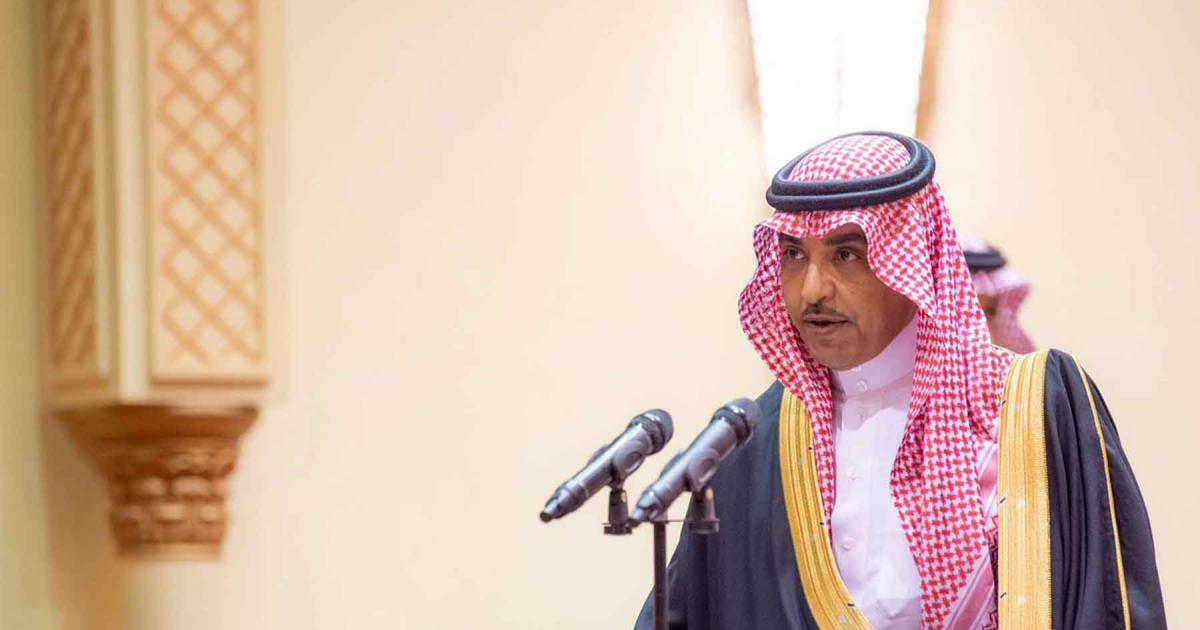
Saudi Information Minister Salman bin Yousef al-Dosari issued an unequivocal rejection of the allegations on his official X account, which reaches more than five million followers. “What is being circulated about the Kingdom refusing to receive His Highness Sheikh Tahnoon bin Zayed is incorrect. His Highness comes to the kingdom whenever he wants without permission; it is his home and its leadership is his family,” Dosari wrote.
The minister’s statement went beyond a routine diplomatic denial, characterizing the relationship between Sheikh Tahnoon and Saudi Arabia in terms that signal exceptional closeness transcending normal protocols. This language underscores bonds of trust and mutual confidence between the leadership of both nations.
The forceful rebuttal appears strategically timed to prevent what Riyadh perceives as deliberate attempts to sow discord in Saudi-Emirati relations during a period of heightened regional tensions, particularly regarding developments in eastern Yemen.
Analysts note that Dosari’s prompt response demonstrates Saudi awareness of the potential damage from targeted misinformation campaigns, especially those seeking to exploit regional developments to suggest rifts between Riyadh and Abu Dhabi. The minister’s calm yet definitive tone reinforced Saudi Arabia’s determination to counter such narratives.
While Saudi Arabia and the UAE occasionally hold differing perspectives on regional or international issues, officials emphasize that such differences should not be mischaracterized as deep disagreements or diplomatic crises. The rumors align with a pattern of disinformation campaigns that have repeatedly targeted Saudi-Emirati relations, which are widely considered a cornerstone of stability in the Gulf region.
The Saudi-Emirati partnership has become a frequent target for actors seeking to undermine collective Gulf action or weaken unified positions on regional crises. The strong economic and security cooperation between the two nations represents a significant power bloc in Middle Eastern geopolitics.
Sheikh Tahnoon’s prominent role as one of the UAE’s key decision-makers in national security and strategic policy makes the rumors particularly significant. Any suggestion of tension involving such a high-ranking Emirati figure could be interpreted as indicating serious cracks in the countries’ relationship.
The kingdom’s quick response also highlights growing awareness among Gulf states about information warfare risks. Officials increasingly recognize that leaving misleading claims unanswered could allow damaging narratives to take hold, potentially affecting not only bilateral relations but the cohesion of the entire Gulf Cooperation Council.
The Saudi position aligns with previous statements by Anwar Gargash, diplomatic adviser to the UAE president, who emphasized in December that Abu Dhabi’s approach “places wisdom above emotion and prioritizes stability over the noise of escalation.” That statement came amid tensions related to developments in eastern Yemen and reflected the UAE’s strategic philosophy favoring restraint and de-escalation.
Together, the Saudi and Emirati responses point to a shared Gulf strategy aimed at containing regional crises rather than escalating them, insulating cooperation from temporary disagreements, and preventing adversaries from exploiting situational differences to weaken Gulf unity.
Saudi officials maintain that their relationship with the UAE constitutes a deeply entrenched strategic partnership that remains immune to malicious rumors. At a time of significant regional uncertainty, they argue the priority remains deeper coordination and integration between the two influential Gulf states.
Fact Checker
Verify the accuracy of this article using The Disinformation Commission analysis and real-time sources.

13 Comments
This move by Saudi Arabia highlights their sensitivity to any perceived tensions with the UAE. Preserving their strategic partnership in the region must be a key concern.
The forceful public denial signals how seriously they are taking these rumors. Nipping any discord in the bud is likely crucial for both countries.
Interesting to see Saudi Arabia taking action to address misinformation about their relations with the UAE. Maintaining strong ties between these Gulf nations is clearly a priority for Riyadh.
The close personal bonds between the leadership seem to be an important factor in their relationship. Downplaying protocol suggests a high level of trust and cooperation.
It will be interesting to see if this decisive pushback by Saudi Arabia succeeds in quashing the misinformation. Containing the spread of false narratives is crucial for geopolitical stability.
The minister’s personal language about the UAE adviser is noteworthy. It suggests Saudi Arabia views their relationship with the UAE as a familial bond transcending normal diplomatic ties.
The strong language used by the Saudi information minister indicates how seriously they view these rumors. Preserving their relationship with the UAE must be a key strategic consideration.
Characterizing the UAE adviser as being ‘at home’ in Saudi Arabia suggests an exceptionally close partnership that goes beyond normal diplomatic protocol.
Curious to know more about the specific claims that Saudi Arabia is refuting. What are the potential consequences if these rumors were to gain traction?
This incident highlights the challenge of combating misinformation in the digital age. Saudi Arabia’s swift response suggests they are highly attuned to potential threats to their regional influence.
This appears to be part of a broader effort by Saudi Arabia to control the narrative around their regional relationships. Maintaining a united Gulf Cooperation Council is probably a top priority.
The minister’s personal language about the UAE adviser suggests exceptionally close ties. This could be an attempt to project an image of unwavering unity.
I’m curious to know more about the specific misinformation that Saudi Arabia is trying to combat. What are the implications if these rumors gain traction?