


Listen to the article
Sanders Calls for Senate Hearing on Secretary Kennedy’s Vaccine Misinformation
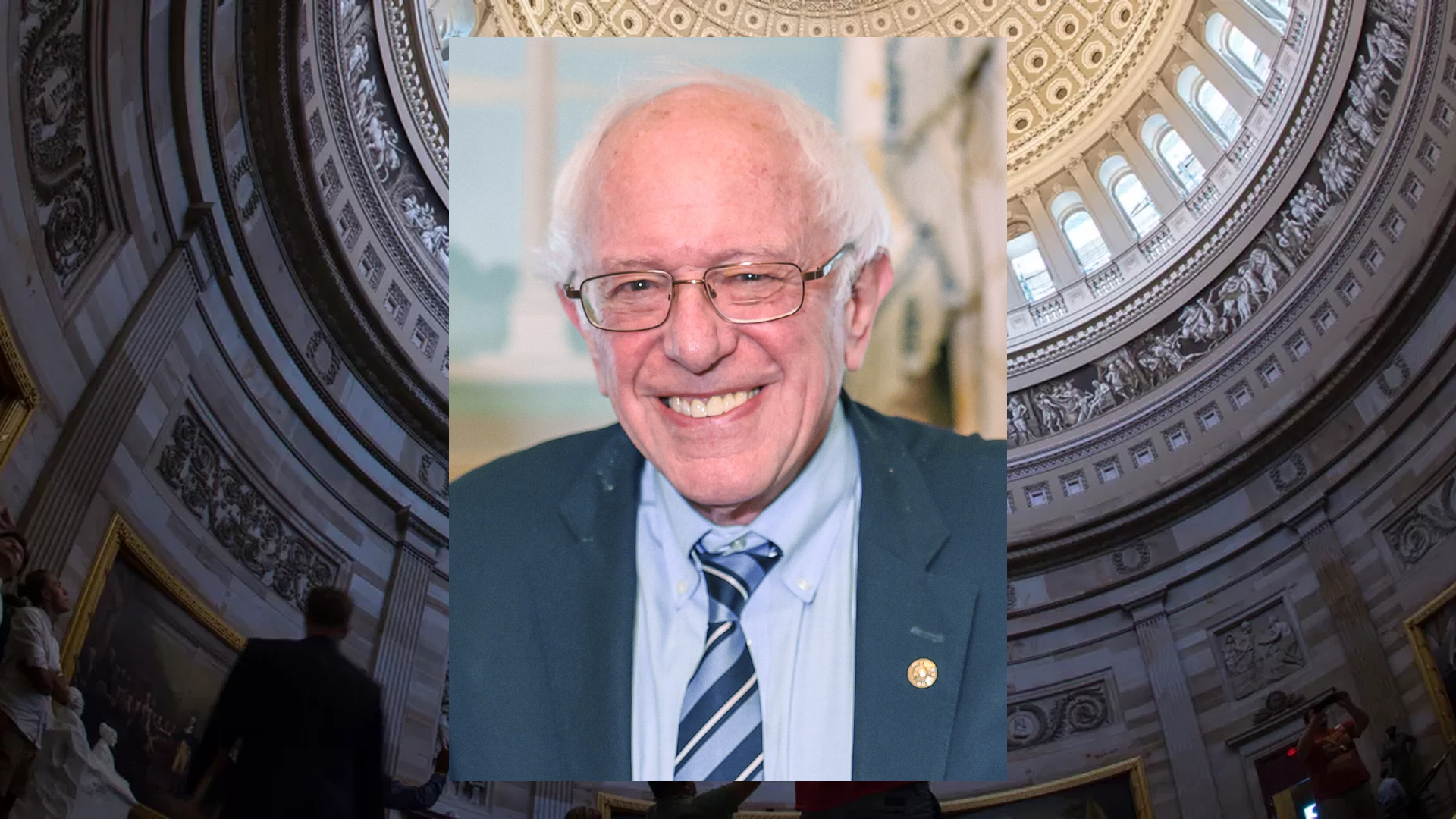
Senator Bernie Sanders has formally called on Senate Health Committee Chairman Bill Cassidy to convene a hearing addressing recent controversial statements made by Health and Human Services Secretary Robert F. Kennedy Jr. linking vaccines to autism—claims that run counter to established scientific consensus.
In a strongly worded request, Sanders emphasized the urgent need to address what he characterized as dangerous misinformation being spread by the nation’s top health official. “When the Secretary of Health and Human Services makes statements contradicting decades of scientific research and potentially endangering public health, Congress has a responsibility to intervene,” Sanders stated in his letter to Chairman Cassidy.
The Vermont senator pointed to overwhelming scientific evidence supporting vaccine safety and effectiveness, noting that Cassidy himself, a physician by training, has previously defended vaccines against unfounded claims. The request comes amid growing concern from public health officials about declining vaccination rates nationwide and the resurgence of preventable diseases.
Kennedy’s controversial stance on vaccines has long been a point of contention in the public health community. Despite his appointment to lead HHS, he has continued to question vaccine safety, particularly regarding connections to autism—a link thoroughly debunked by numerous large-scale scientific studies over the past two decades.
The scientific community has responded with alarm to Kennedy’s recent statements. Dr. Jennifer Adams, president of the American Academy of Pediatrics, commented, “Having the nation’s top health official spread disproven theories about vaccines creates dangerous confusion among parents making crucial health decisions for their children.”
Multiple autism advocacy organizations have also expressed concern, including Autism Speaks, which released a statement emphasizing, “It is critical that public discourse about autism be grounded in science, not conspiracy theories that stigmatize individuals on the spectrum while undermining public health.”
Public health experts warn that Kennedy’s position could further erode trust in vaccines at a critical moment when several states are experiencing outbreaks of measles and other vaccine-preventable diseases. Vaccination rates have declined in numerous communities nationwide, creating vulnerability pockets where diseases once considered eliminated can reestablish themselves.
Sanders, who has maintained a significant national profile since his presidential campaigns, brings substantial political weight to this challenge. With $21.9 million in cash on hand reported in his latest FEC disclosure—the second-highest amount among recent congressional quarterly reports—and an established fundraising network that generated $2.1 million in the fourth quarter alone, Sanders possesses both the financial resources and public platform to press this issue.
The potential Senate hearing would likely address not only Kennedy’s specific claims about vaccines and autism but also examine broader concerns about public health messaging from senior administration officials. Public health experts note that consistent, science-based communication from government leaders is essential during disease outbreaks and vaccination campaigns.
Senator Cassidy’s office has not yet responded to Sanders’ request, though as a physician who has previously defended vaccine safety, he may find himself in a delicate position between party loyalty and scientific principles.
The controversy occurs against the backdrop of Sanders’ legislative agenda focused on healthcare access, with his recently proposed Health Care Workforce Expansion Act and continued advocacy for expanded healthcare coverage. Critics suggest the hearing request aligns with Sanders’ broader healthcare priorities, while supporters maintain it represents necessary congressional oversight.
Public health organizations, including the CDC and WHO, continue to emphasize that vaccines undergo rigorous safety testing before approval and that the scientific consensus on the absence of a link between vaccines and autism remains unshaken by dozens of large-scale, peer-reviewed studies conducted across multiple countries.
Fact Checker
Verify the accuracy of this article using The Disinformation Commission analysis and real-time sources.

10 Comments
This is a complex and sensitive issue, but I believe it’s crucial that our leaders rely on sound scientific evidence when it comes to public health. A Senate hearing could be an opportunity to thoroughly examine the facts and provide clarity to the public.
While I respect Kennedy’s right to express his views, I’m concerned that spreading misinformation about vaccine safety could undermine public health. Rigorous scientific research has consistently shown vaccines are safe and effective. A Senate hearing could help provide clarity on this important issue.
I agree, it’s crucial that policymakers rely on sound scientific evidence when making decisions that impact public health. Promoting unfounded claims about vaccines can have serious consequences.
I’m glad to see Senator Sanders taking this issue seriously. Vaccine hesitancy is a growing problem that threatens to undermine decades of progress in disease prevention. A fact-based, science-driven discussion is exactly what’s needed here.
While I respect everyone’s right to their own views, I’m deeply concerned about the potential public health impacts of this kind of misinformation. Vaccines are one of our most powerful tools against infectious diseases, and we can’t afford to let unfounded claims erode public confidence in them.
I agree. Vaccine safety and efficacy are supported by overwhelming scientific evidence. A Senate hearing could be an important step in addressing this issue and reaffirming the importance of evidence-based policymaking.
Vaccines have been one of the greatest public health achievements of the modern era. It’s troubling to see a high-ranking official make claims that contradict established science. A Senate hearing could be an opportunity to thoroughly examine the evidence and provide reassurance to the public.
Absolutely. Maintaining high vaccination rates is essential to protecting vulnerable populations and preventing the resurgence of dangerous diseases. Let’s hope this hearing can help address the spread of misinformation.
I’m glad to see Congress taking this issue seriously. Vaccine hesitancy is a growing problem with serious public health consequences. A fact-based, science-driven discussion is exactly what’s needed to address the spread of misinformation and protect vulnerable populations.
Absolutely. Maintaining high vaccination rates is essential to preventing the resurgence of dangerous diseases. I hope this hearing can help reassure the public about the safety and importance of vaccines.