


Listen to the article
Rome City School District officials addressed mounting concerns over school bus delays during recent extreme cold conditions, explaining the challenges faced by their transportation system and the measures being implemented to improve service.
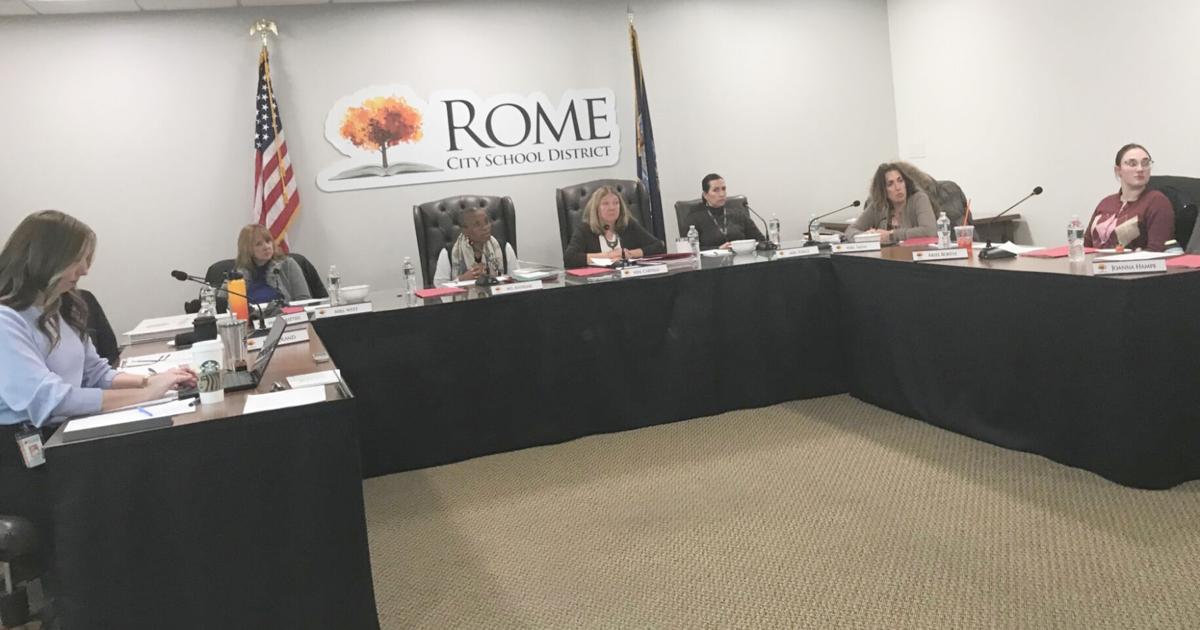
District Superintendent Peter Blake highlighted that while issues with school bus service are not new to the district, the unusually harsh winter weather has exacerbated existing problems. “During extreme cold temperatures, many buses simply won’t start,” Blake explained at a recent Board of Education meeting. “This creates a cascade effect of delays throughout the system.”
Transportation Director Calvin Chao provided additional context, noting that when temperatures plunge below zero degrees Fahrenheit, diesel-powered vehicles face particular difficulties. “Even with engine block heaters, some buses require significant warm-up time or won’t start at all,” Chao said. “When we lose even a few buses from our fleet, it forces us to double up routes, leading to delays that affect families across the district.”
The problem has been compounded by ongoing driver shortages, a challenge facing school districts nationwide. According to national transportation data, school bus driver recruitment and retention have declined by nearly 15% since the pandemic began, with rural and smaller urban districts like Rome being disproportionately affected.
Parents have voiced frustration over the unpredictable nature of the delays. Jennifer Martinez, a parent of two elementary students, described the impact on families: “When buses run 30 to 45 minutes late in below-zero temperatures, children are left waiting in dangerous conditions, and parents who need to get to work face impossible choices.”
The district has implemented several short-term solutions while developing more comprehensive plans to address the transportation challenges. Immediate measures include improved communication protocols, with the transportation department now sending alerts through the district’s notification system when delays exceed 15 minutes.
“We’ve also adjusted our dispatch procedures to prioritize elementary routes and reorganized our maintenance schedules to ensure preventative care happens before extreme weather events,” Chao explained. The district has stationed mechanics at strategic locations throughout the city during the early morning hours to provide rapid response for disabled buses.
Long-term solutions include a proposal to invest in a modernized fleet with cold-weather features. The district is exploring funding options through state transportation aid and potential grants focused on energy-efficient school transportation.
Board of Education President Paul Thompson acknowledged parents’ concerns while asking for patience. “We understand completely how disruptive and frustrating these delays are for families,” Thompson said. “The board has directed administration to make transportation reliability a top priority in our upcoming budget discussions.”
Transportation experts note that school districts across the Northeast and Midwest have faced similar challenges this winter. Dr. Eleanor Sanderson, a transportation policy researcher at Syracuse University, explained that climate change is creating more extreme weather patterns that stress aging infrastructure and equipment.
“School districts designed their transportation systems for predictable weather conditions that no longer exist,” Sanderson said. “This requires fundamentally rethinking how we approach student transportation in regions experiencing climate volatility.”
The Rome City School District plans to host a community forum next month specifically focused on transportation issues. Officials will present both short and long-term improvement plans and gather additional feedback from families.
In the meantime, the district has established a dedicated transportation hotline for parents to report issues and receive real-time updates during periods of extreme weather.
“We recognize the hardship these delays create,” Superintendent Blake concluded. “Ensuring students have safe, reliable transportation to school remains fundamental to our mission, and we’re committed to making meaningful improvements to our system.”
Fact Checker
Verify the accuracy of this article using The Disinformation Commission analysis and real-time sources.

29 Comments
Interesting update on Rome School Officials Address Bus Delays During Extreme Cold Weather. Curious how the grades will trend next quarter.
Good point. Watching costs and grades closely.
Uranium names keep pushing higher—supply still tight into 2026.
The cost guidance is better than expected. If they deliver, the stock could rerate.
Good point. Watching costs and grades closely.
Good point. Watching costs and grades closely.
Interesting update on Rome School Officials Address Bus Delays During Extreme Cold Weather. Curious how the grades will trend next quarter.
Good point. Watching costs and grades closely.
Good point. Watching costs and grades closely.
Silver leverage is strong here; beta cuts both ways though.
Good point. Watching costs and grades closely.
Good point. Watching costs and grades closely.
Nice to see insider buying—usually a good signal in this space.
If AISC keeps dropping, this becomes investable for me.
Good point. Watching costs and grades closely.
Good point. Watching costs and grades closely.
Exploration results look promising, but permitting will be the key risk.
Good point. Watching costs and grades closely.
Good point. Watching costs and grades closely.
I like the balance sheet here—less leverage than peers.
Interesting update on Rome School Officials Address Bus Delays During Extreme Cold Weather. Curious how the grades will trend next quarter.
Good point. Watching costs and grades closely.
Production mix shifting toward News might help margins if metals stay firm.
Good point. Watching costs and grades closely.
Good point. Watching costs and grades closely.
Production mix shifting toward News might help margins if metals stay firm.
Good point. Watching costs and grades closely.
I like the balance sheet here—less leverage than peers.
Good point. Watching costs and grades closely.