


Listen to the article
In a digital age where new parents can access information and support with the swipe of a finger, the stark contrast between medical recommendations for infant sleep safety and the imagery flooding social media has become increasingly concerning.
Healthcare professionals have long advocated for the “ABCs of safe sleep” – Alone, on their Backs, in a flat Crib or bassinet. In practical terms, this means no blankets, bumpers, stuffed animals, pillows, or loungers in the sleeping area. Babies should not sleep in car seats outside vehicles, on adult mattresses, couches, or in swings. They should never be placed on their stomachs for sleep, and bed-sharing is explicitly discouraged.
For exhausted parents of crying infants, these guidelines can feel overly rigid. Many question whether their baby would be more comfortable with just one small blanket or slightly elevated on a pillow. The bare, flat bassinet recommended by experts often appears uninviting compared to what seems intuitively cozier.
Dr. Michael Goodstein, a neonatologist and member of the American Academy of Pediatrics (AAP) subcommittee on sudden unexpected infant death, emphasizes the influence of visual content on parental decision-making. “When you look at how people make their healthcare decisions, social media and images online play a big role,” he notes. “The images that show unsafe sleep undermine our messaging and really suggest to families in their decision-making that maybe those things are okay to do.”
The tension between safe sleep recommendations and the desire for “cozy” baby imagery isn’t new. A 2009 study examining print magazines targeted toward new mothers found only 36 percent of photos depicted babies in safe sleeping environments. Similar findings emerged in advertisements for cribs.
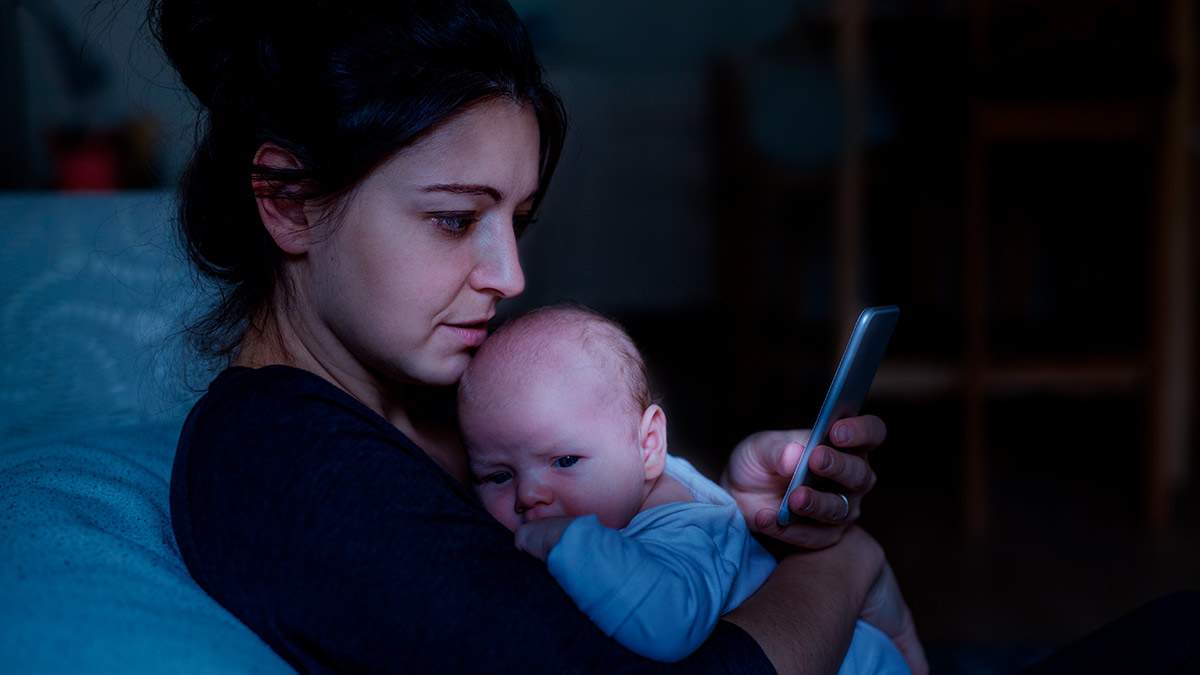
However, social media has dramatically accelerated our exposure to potentially misleading information. Unlike a pediatrician with limited office hours, digital platforms are accessible 24/7, particularly appealing during late-night feedings when parents are most vulnerable and seeking guidance.
Recent research reveals an alarming discrepancy between expert advice and online visual representations of infant sleep. A 2024 study analyzing parental posts in a Facebook group found just 14 percent of shared baby photos reflected safe sleep practices aligning with AAP guidelines. Most images showed newborns sleeping on their stomachs, surrounded by pillows, or bed-sharing with parents.
Kelly Pretorius, PhD, RN, assistant professor at Baylor College of Medicine and a contributor to this research, understands firsthand the allure of these platforms. As both a healthcare professional and former exhausted new mother who sought to stay awake during nighttime feedings during her doctoral program, she recognizes the complex relationship between parents and social media.
“Parents are going to social media for support: It can be information, it can be emotional, but they are seeking support, and that is where they’re finding it,” Pretorius explains. “We know how much time people are spending in these forums, and that influences the perceived social norms.”
The statistics grow more concerning with each new study. A 2021 analysis of Instagram images found only 7 percent aligned with AAP safety guidelines. By 2023, a similar study showed this figure had dropped to less than 2 percent.
This growing disconnect between medical recommendations and widely shared imagery creates a challenging environment for new parents navigating infant care decisions. While the clinical guidance remains clear, the visual narrative surrounding infant sleep continues to prioritize aesthetics over safety, potentially influencing parental choices during their most vulnerable moments.
As digital platforms continue to shape parenting norms, healthcare providers face the ongoing challenge of ensuring that life-saving sleep safety guidelines aren’t overshadowed by visually appealing but potentially dangerous practices shared across social media.
Fact Checker
Verify the accuracy of this article using The Disinformation Commission analysis and real-time sources.

7 Comments
It’s understandable that parents want their babies to be comfortable, but the risks of unsafe sleep practices are simply too high. I hope this article encourages more moms and dads to follow the expert-recommended guidelines, even if it means a less ‘cozy’ sleeping environment.
Social media has made it so easy for misleading information to spread like wildfire. It’s crucial that new parents seek out guidance from qualified medical experts instead of relying on random internet ‘advice.’ The stakes are simply too high when it comes to infant sleep safety.
As a new parent, I can understand the temptation to make the sleeping area more ‘cozy’ for baby. But those safe sleep guidelines from experts are there for a reason – to prevent tragic SIDS incidents. We have to put safety first, even if it doesn’t seem as comfortable.
The ‘ABC’ guidelines may seem overly strict, but they are based on rigorous scientific research. As a society, we need to do more to amplify the voices of medical experts and shut down the spread of dangerous misinformation about infant sleep.
This is a really important issue. SIDS is a terrifying possibility that no parent wants to face. I’m glad to see healthcare professionals speaking out about the need to combat the misinformation spreading online. Infant safety has to be the top priority.
This is a concerning trend. Social media can be a minefield of misinformation, especially when it comes to infant care. Parents need to be very careful about following medical advice from unqualified sources online instead of consulting their pediatrician.
Absolutely. Pediatricians have decades of expertise in infant safety. It’s crucial that parents rely on their guidance rather than random influencers or online forums.