


Listen to the article
Republican Congressman Crenshaw Attributes Primary Defeat to Voter Misinformation
Rep. Dan Crenshaw of Texas is pointing to widespread misinformation as the primary cause of his unexpected defeat in the Republican primary election. The four-term congressman lost to far-right state Rep. Steve Toth by a substantial 15-point margin, a result that has sent ripples through Republican circles in Texas.
In comments to reporters following his defeat, Crenshaw expressed frustration over what he describes as a campaign built on falsehoods. “A large part of this election was about the power of clickbait,” Crenshaw said. “Memes became truth. Too many people are not discerning through the clickbait.”
The congressman specifically addressed accusations of insider trading that gained traction during the campaign, fueled by his opponent and conservative media personalities including Tucker Carlson. “People voting — one after the other — literally thought I was making millions in the stock market doing inside trading. Even though I haven’t made a trade in three years,” Crenshaw stated, adding that he had earned under $46,000 from investments over his entire seven-year congressional tenure.
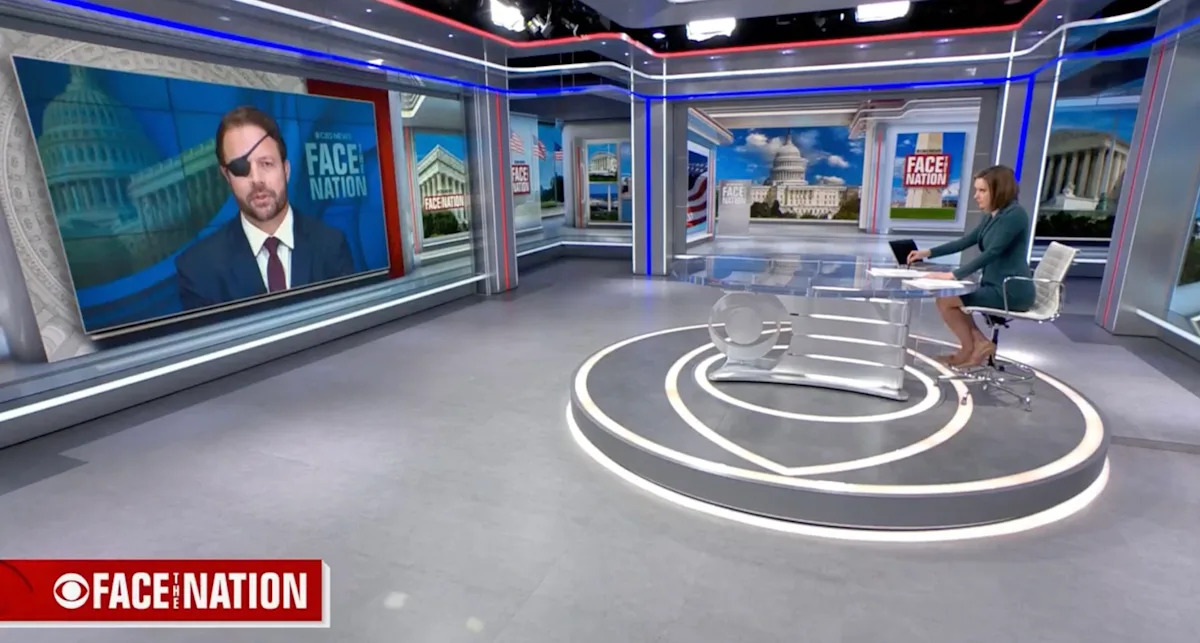
During an appearance on CBS News’ “Face the Nation” this Sunday, Crenshaw elaborated on his position when host Margaret Brennan questioned him about his claims and what lessons other Republicans might draw from his defeat.
“I’m a unique Republican,” Crenshaw told Brennan. “I’ve been the target of online smears and conspiracies for a long, long time and my election was basically a product of that.” He noted the low primary turnout, with approximately 20% of Republican voters participating, and claimed many cast their ballots based on false information circulating online.
The congressman expressed frustration at the difficulty in countering such narratives despite attempts to debunk them. “The lesson to be learned is, look, you’ve got to get the truth out. You have to try. But ultimately this is a question for the American people: Are you going to believe everything that you read online or that is sent to you in your mail?”
Crenshaw’s loss represents a significant shift in his congressional district, which encompasses parts of northern Houston and surrounding areas. Political analysts note that Texas’s 2nd Congressional District has become increasingly receptive to more hardline conservative messaging, reflecting broader trends within the Republican Party nationwide.
Crenshaw, a former Navy SEAL who lost an eye in Afghanistan, had gained national prominence since his 2018 election. He had positioned himself as a conservative who occasionally broke with party orthodoxy on select issues, which may have contributed to criticism from the party’s right wing.
In his CBS interview, Crenshaw also directed blame toward Democrats, claiming they “spent almost a million dollars also pushing these smears on television.” He expressed dismay that “Republican voters are going to the voting booth believing what a Democrat told them on TV based on a smear headline written by a liberal reporter in D.C.”
The congressman’s defeat highlights ongoing tensions within the Republican Party between traditional conservatives and those aligned with more populist movements. Toth, who will likely win the general election in the heavily Republican district, ran on a platform emphasizing stricter immigration policies, election security, and alignment with former President Trump’s agenda.
Political observers note that Crenshaw’s experience reflects the growing challenge for elected officials to counter misinformation in an era of fragmented media consumption and social media echo chambers, where politically charged content can spread rapidly with limited fact-checking.
Fact Checker
Verify the accuracy of this article using The Disinformation Commission analysis and real-time sources.

11 Comments
This is a concerning trend that extends beyond just this one election. Misinformation and the erosion of trust in institutions is a growing challenge that we as a society need to address. Elected officials, media outlets, and individual citizens all have a role to play in restoring integrity to our political processes.
This is a fascinating example of the power of misinformation in modern politics. It’s concerning to see a respected congressman lose due to unsubstantiated claims. Voters need to be more discerning and fact-check claims before forming their views.
I agree, the ability of misinformation to spread so rapidly and influence elections is worrying. Voters have a responsibility to seek out reliable information and think critically.
The congressman’s frustration is understandable. Misinformation can be incredibly damaging, especially when it goes unchallenged. I hope this case serves as a wake-up call for both politicians and voters to be more vigilant in combating the spread of false claims.
Agreed. We need to find ways to promote media literacy and critical thinking so that voters are better equipped to discern fact from fiction. This is a complex issue, but one that is crucial for the health of our democracy.
This is a cautionary tale about the dangers of unchecked misinformation, especially in the age of social media. Voters must be vigilant and fact-check claims before casting their ballots. Spreading falsehoods should not be rewarded in our political system.
This is a troubling example of how quickly false narratives can take hold, even in the face of factual evidence. Elected officials need to be proactive in countering misinformation and educating their constituents. Voters, in turn, must be willing to seek out reliable sources and think critically.
It’s disappointing to see a veteran congressman lose due to misleading claims, especially around financial matters. Voters should demand honesty and transparency from their representatives, not be swayed by sensationalized narratives.
Absolutely, elected officials need to be held accountable. Spreading misinformation, whether intentional or not, undermines the democratic process and erodes public trust.
I’m curious to hear more about the specific misinformation claims that led to this congressman’s defeat. Were they related to his investment activities or other policy positions? It’s important to understand the dynamics at play so we can address the root causes of this problem.
Yes, it would be helpful to get more details on the exact nature of the misinformation campaign. Understanding how it originated and spread could provide valuable insights for improving political discourse and restoring trust in our institutions.