


Listen to the article
Crenshaw Blames Misinformation and “Clickbait Culture” for Primary Defeat
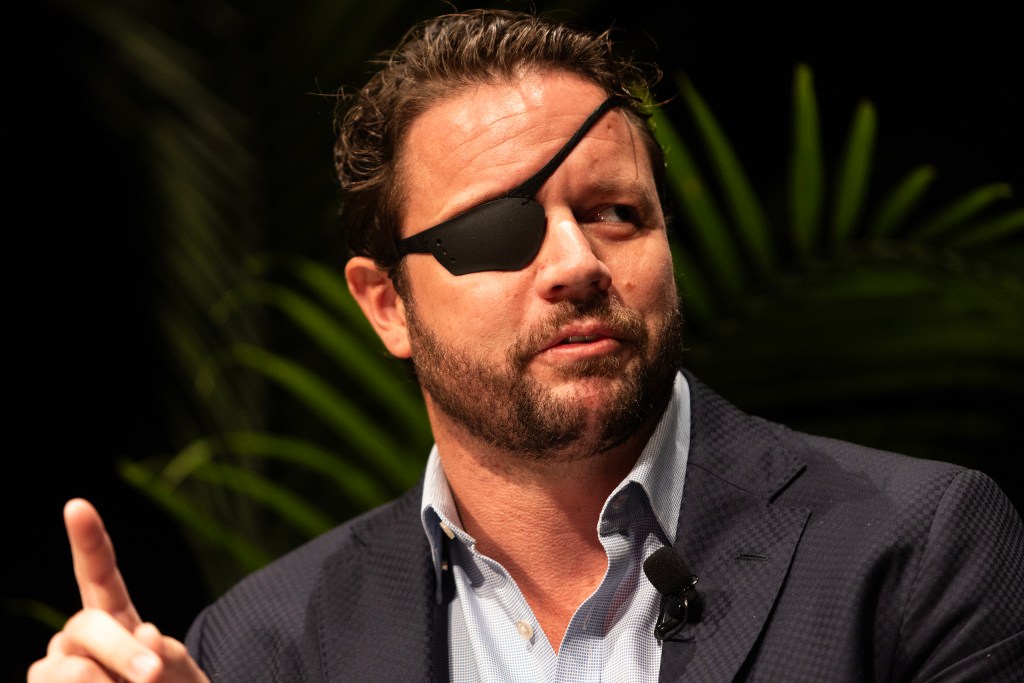
In the aftermath of his unexpected primary loss, Rep. Dan Crenshaw is pointing to what he describes as a toxic combination of misinformation and internet culture that ultimately sealed his political fate in Texas’ 2nd Congressional District.
The four-term congressman from Atascosita fell to state Rep. Steve Toth by a decisive 15-point margin in last week’s Republican primary, according to unofficial returns. Toth, widely regarded as one of the most conservative members of the Texas Legislature, successfully mobilized voters in a district spanning Kingwood, Lake Houston and The Woodlands, which straddles both Harris and Montgomery counties.
“A large part of this election was about the power of clickbait,” Crenshaw told The Texas Tribune in a post-election interview. “Memes became truth. Too many people are not discerning through the clickbait.”
Montgomery County, which makes up a significant portion of the district, has emerged as a hotbed of conservative activism. It’s the same area where Attorney General Ken Paxton received twice as many votes as incumbent John Cornyn in the Senate Republican primary, highlighting the rightward shift among GOP voters there.
Crenshaw, who gained national prominence as a frequent media presence and outspoken national security hawk, has long been a polarizing figure within Republican circles. His willingness to criticize certain factions of his own party made him a target for the most hardline conservatives in Congress, particularly members of the House Freedom Caucus, whom he had previously labeled as “grifters.”
The congressman claims voters were swayed by false narratives about his record, particularly regarding alleged insider trading and his stance on red flag laws. Despite making under $50,000 on the stock market during his entire congressional career and not having made any trades since March 2023, Crenshaw says conservative commentators like Tucker Carlson perpetuated the narrative that he was profiting improperly.
Similarly, a 2019 comment suggesting that state legislators should discuss red flag laws was weaponized against him, despite his subsequent introduction of legislation prohibiting federal funds for such measures. Toth branded him “Red Flag Law Crenshaw” in campaign materials.
“It’s not like anyone was going to the polls saying, ‘I don’t like that you said that. I disagree with it,'” Crenshaw explained. “Because at least then, they would be debating with me on something that I actually said. I could deal with that… But that’s never what came up in people’s minds and out of their mouths.”
Political observers have offered varied explanations for Crenshaw’s defeat. The Freedom Caucus Fund, which endorsed Toth, claimed Crenshaw “found out the final consequence for being a RINO” — Republican In Name Only. Media outlets including the Houston Chronicle and Wall Street Journal published columns lamenting his loss, arguing that his primary sin was his willingness to tell uncomfortable truths to base voters, including acknowledging Trump’s 2020 election loss and speaking out against the January 6 Capitol attack.
Crenshaw also pointed to the influence of Robert Marling, a billionaire GOP donor from The Woodlands who contributed $675,000 to a pro-Toth super PAC. Marling has previously donated substantial sums to Senator Ted Cruz, who endorsed Toth during the early voting period. CNN has reported a long-standing feud between Cruz and Crenshaw.
The congressman suggests his national profile made him an attractive target for conservative influencers seeking to generate clicks and attention online. “Their name just doesn’t make the internet excited like Dan Crenshaw’s does,” he said, referencing other Republican representatives facing controversies.
This primary battle exemplifies a growing trend where social media influencers and podcasters wield significant influence in party primaries. Crenshaw expressed concern about voters getting information from “people who have no allegiance to the truth.”
“It’s troubling for the future,” he concluded. “Only voters can stop it.”
As Crenshaw prepares to leave office after completing his current term, his defeat signals the continuing rightward shift within Texas Republican politics and highlights the evolving dynamics of political communication in the digital age.
Fact Checker
Verify the accuracy of this article using The Disinformation Commission analysis and real-time sources.

10 Comments
Crenshaw’s primary defeat highlights how shifting political dynamics, especially at the local level, can upend even established incumbents. As an energy/mining hub, the concerns of voters in this district will be crucial to watch going forward.
Absolutely. The energy and mining industries are so central to this region, so Crenshaw’s successor will need to carefully navigate those issues to retain voter support.
It will be interesting to see if Crenshaw’s defeat spurs a broader reckoning within the Republican party about the role of misinformation and how to address it. As a leader, he could potentially play a constructive role in that dialogue.
That’s a good point. Crenshaw’s loss could be a wake-up call for the GOP to tackle the misinformation problem head-on, rather than just pointing fingers.
The rise of conservative activism in Montgomery County seems to have been a key factor in Crenshaw’s loss. As the energy/mining sector is a major part of the local economy, I wonder how Crenshaw’s positions on relevant issues like oil/gas, mining, and regulation may have contributed.
That’s a good point. Crenshaw’s voting record and policy stances on energy and mining could definitely have turned off some conservative voters in the district.
Crenshaw is right that the ‘clickbait culture’ and spread of misinformation online can have a big impact on elections. But as a seasoned politician, he needs to find ways to combat that and effectively communicate his message to voters.
Exactly. Blaming the medium alone isn’t enough – Crenshaw has to figure out how to cut through the noise and connect with people on a real, meaningful level.
Interesting that Crenshaw is blaming misinformation and clickbait culture for his primary defeat. As a leader, he should take responsibility and reflect on how to better connect with his constituents and address their concerns in a transparent way.
I agree, voters want honesty and authenticity from their representatives, not excuses. Crenshaw needs to do some soul-searching on why his message wasn’t resonating.