


Listen to the article
In a surprising upset in Texas Republican politics, incumbent U.S. Representative Dan Crenshaw has attributed his primary defeat to state Rep. Steve Toth to widespread misinformation about his financial activities, particularly regarding stock market investments.
Crenshaw, who has represented Texas’s 2nd congressional district since 2019, expressed frustration over what he described as false accusations of insider trading that circulated among voters in the lead-up to the primary election.
“Voters were led to believe I made millions from insider trading,” Crenshaw stated following his defeat. The three-term congressman characterized the electoral environment as one poisoned by “clickbait and memes” that he claims significantly distorted his record and financial dealings.
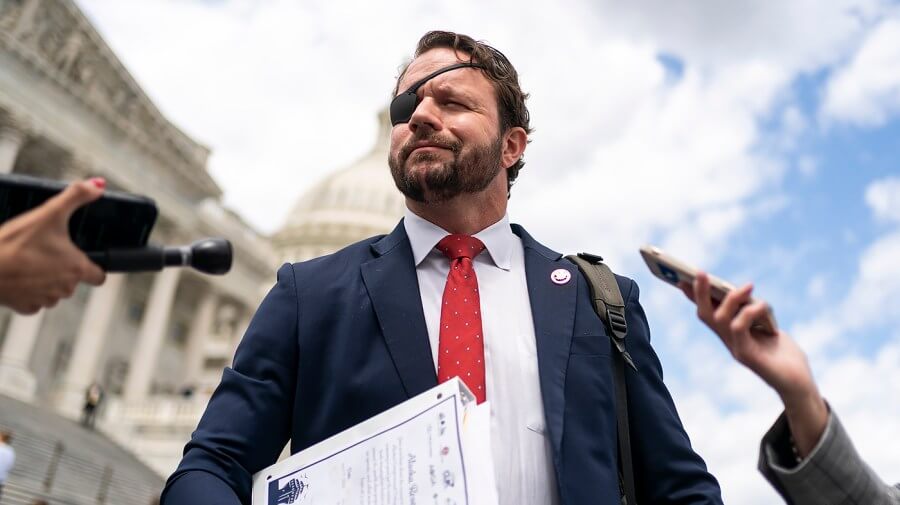
The primary loss marks a significant turning point for Crenshaw, a former Navy SEAL who lost his right eye in a 2012 IED explosion while serving in Afghanistan. His military background and conservative credentials had previously helped him build a strong base of support in his Houston-area district.
While Crenshaw did not elaborate on specific examples of misinformation or identify particular sources behind the alleged falsehoods, his comments highlight growing concerns about the role of social media in shaping voter perceptions and influencing election outcomes. The congressman’s statement suggests that digital platforms may have amplified misleading narratives about his financial activities that proved difficult to counteract through traditional campaign methods.
Congressional stock trading has become an increasingly contentious issue in American politics, with calls for reform coming from across the political spectrum. Several bills have been introduced in recent years to limit or ban members of Congress from trading individual stocks while in office, though comprehensive legislation has yet to pass.
The Stock Act, passed in 2012, prohibits members of Congress from using non-public information for private profit and requires disclosure of stock transactions. However, critics argue that the existing regulations remain insufficient to prevent conflicts of interest.
Crenshaw’s loss to Toth represents part of a broader pattern of primary challenges within the Republican Party, where establishment figures and those perceived as insufficiently aligned with the party’s base have faced difficult reelection battles. The Texas race joins other notable primary defeats of incumbent Republicans in recent election cycles.
Toth, who currently serves in the Texas House of Representatives, will now advance as the Republican nominee in a district that has traditionally been a GOP stronghold. The district, which includes portions of northern and western Harris County, has been reliably Republican in recent elections.
Since entering Congress in 2019, Crenshaw had built a national profile as a conservative voice who occasionally broke with party orthodoxy on select issues. He gained attention for his willingness to engage in policy debates across the political spectrum while maintaining conservative positions on core issues like immigration, national security, and fiscal policy.
The primary results suggest that even representatives with strong conservative credentials and compelling personal stories like Crenshaw’s military service are not immune to challenges from within their own party, particularly when allegations regarding financial impropriety gain traction.
As Crenshaw’s term winds down, questions remain about his political future and whether he might seek another office or position within Republican politics. Meanwhile, the outcome serves as a reminder of how vulnerable elected officials can be to information—or misinformation—campaigns that gain momentum in today’s digital media environment.
Fact Checker
Verify the accuracy of this article using The Disinformation Commission analysis and real-time sources.

16 Comments
The influence of misinformation on elections is a serious issue that deserves more attention. While I don’t have a strong opinion on Rep. Crenshaw’s politics, the idea of voters being swayed by ‘clickbait and memes’ rather than substantive policy discussions is concerning. Hopefully this case will spur efforts to combat the spread of false narratives, particularly around complex financial matters.
Absolutely. Voters need to be more discerning when it comes to evaluating information, especially on issues that can significantly impact elections. Relying on sensationalized online content rather than credible sources is a recipe for poor decision-making, and this case highlights the need for improved media literacy.
It’s troubling to see a respected politician like Rep. Crenshaw lose his seat due to what he describes as ‘misinformation’ regarding his financial activities. Voters should demand factual, evidence-based reporting from the media, rather than being swayed by unsubstantiated claims and online narratives.
I agree. This case underscores the need for greater transparency and accountability, both from elected officials and the media. Voters deserve accurate information to make informed decisions, not misleading ‘clickbait and memes’ that distort the reality.
While I don’t have a strong opinion on Rep. Crenshaw’s political views, the idea of voters being swayed by ‘clickbait and memes’ rather than substantive policy issues is concerning. Hopefully this incident will prompt a broader discussion on media literacy and combating misinformation.
Well said. Voters need to be discerning consumers of information, particularly when it comes to complex financial and political matters. Relying on sensationalized online content rather than credible sources is a recipe for poor decision-making.
It’s disheartening to see a decorated veteran and conservative leader like Rep. Crenshaw lose his seat due to unsubstantiated claims. Voters should demand more from their representatives and the media when it comes to fact-based reporting.
Absolutely. Elected officials need to be held accountable, but that should be based on their actual record and performance, not on misleading online narratives. Transparency and honest discourse are crucial for a healthy democracy.
Interesting to see how misinformation on stock trading can impact political outcomes. Curious to learn more about the specific claims made against Rep. Crenshaw and whether there’s any truth to them.
Yes, it’s concerning how easily false narratives can spread and sway voters, especially when they involve complex financial matters. Transparency and fact-checking are important in these situations.
It’s disappointing to see a veteran like Rep. Crenshaw lose his seat due to misinformation. Voters should demand more from their representatives and the media when it comes to fact-based reporting, especially on issues that can significantly impact elections.
I agree. This case highlights the need for improved media literacy and fact-checking, especially around financial topics that may be unfamiliar to many voters. Elected officials should be held accountable, but based on their actual record, not unsubstantiated online claims.
The influence of ‘clickbait and memes’ on elections is quite worrying. Voters deserve accurate information to make informed decisions, not misleading narratives. Curious to see if Rep. Crenshaw can provide more details on the misinformation that led to his defeat.
I agree, misinformation can be incredibly damaging to the democratic process. Hopefully this case will spur efforts to combat the spread of false narratives, especially around financial matters that many voters may not fully understand.
While I don’t have a strong opinion on Rep. Crenshaw’s political views, the idea of voters being influenced by online misinformation rather than substantive policy discussions is concerning. Elected officials should be held accountable, but based on their actual record and performance, not unsubstantiated claims. Hopefully this case will prompt a broader debate on media literacy and combating the spread of false narratives.
Absolutely. Voters need to be discerning consumers of information, particularly when it comes to complex financial and political matters. Relying on sensationalized online content rather than credible sources can lead to poor decision-making, as this case seems to demonstrate. Improving media literacy should be a priority.