


Listen to the article
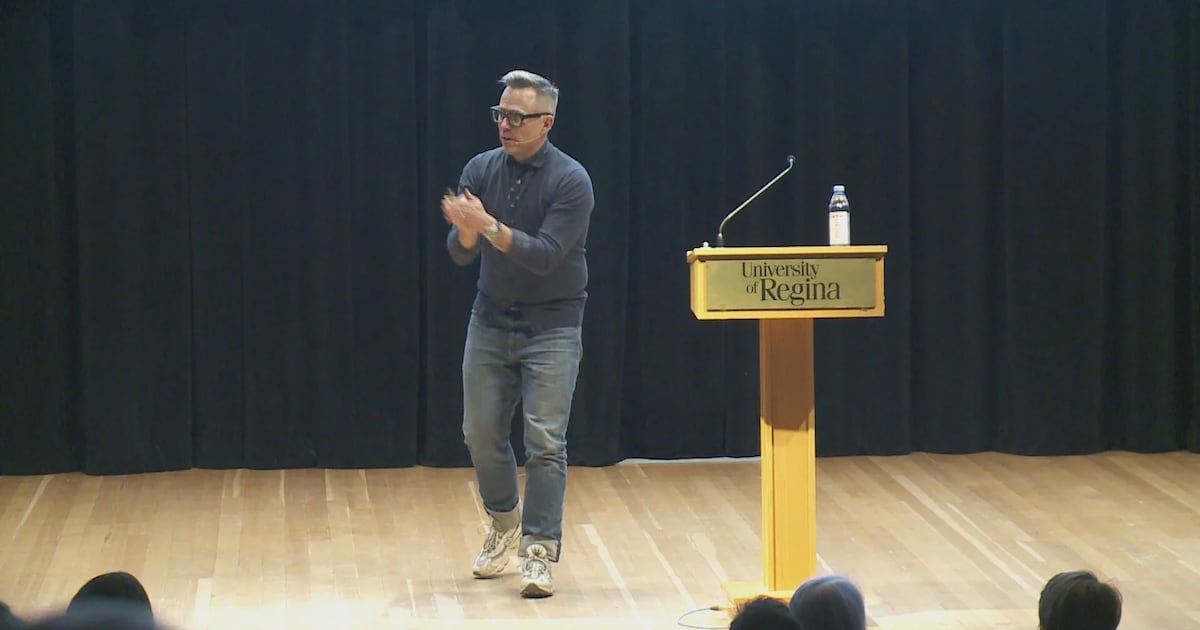
In a world where information flows freely and rapidly, distinguishing fact from fiction has become increasingly challenging. This growing concern took center stage at the University of Regina Wednesday evening, where a packed audience gathered for an important discussion on the perils of misinformation in today’s digital landscape.
The lecture, part of the university’s ongoing public education series, featured media literacy expert Dr. Sarah Henderson, who emphasized the critical nature of this issue in our current socio-political climate. “What we’re seeing isn’t just casual misunderstandings, but organized, systematic attempts to spread false narratives that can influence everything from personal health decisions to democratic processes,” Henderson explained.
Attendees learned about the various forms misinformation can take, from deliberate disinformation campaigns to the more innocuous but equally problematic spread of unverified claims across social media platforms. The presentation included several case studies demonstrating how false information has affected public discourse on issues ranging from climate change to pandemic response measures.
Saskatchewan has not been immune to these trends. Local examples highlighted during the session included misleading claims about provincial resource management and agricultural policies that gained traction during recent election cycles, creating confusion among voters.
“The danger lies not just in believing false information, but in how it erodes trust in legitimate institutions and expertise,” noted Henderson. “When people can’t agree on basic facts, meaningful dialogue becomes impossible.”
The timing of the lecture coincides with growing concerns among communication scholars about the accelerating spread of misinformation through algorithmic amplification on major social platforms. Recent studies suggest that content designed to provoke emotional responses—regardless of accuracy—often receives greater visibility than nuanced, factual reporting.
University of Regina Communications Department Chair Dr. Michael Thompson, who organized the event, pointed to the significance of holding such discussions in academic settings. “Universities must serve as bastions of critical thinking and evidence-based reasoning. Our role is not just to educate students but to engage the broader community in conversations that strengthen democratic foundations.”
The lecture also addressed practical strategies for individuals to protect themselves against misinformation. Recommendations included cross-checking sources, being wary of content designed primarily to evoke strong emotional reactions, and developing the habit of verifying claims before sharing them.
“Digital literacy is no longer optional—it’s an essential skill,” said Henderson. “Just as we teach children to look both ways before crossing the street, we need to teach all citizens to pause and evaluate information before accepting or sharing it.”
Industry experts have noted that the fight against misinformation has significant economic implications as well. Businesses increasingly find themselves allocating resources to counter false claims about their products or services, while legitimate news organizations struggle to compete with sensationalist content that drives higher engagement metrics.
The lecture also explored the responsibilities of technology companies in addressing the issue. Recent policy changes at major platforms like Meta and X (formerly Twitter) have yielded mixed results in stemming the tide of false information, sparking debate about the appropriate balance between free expression and content moderation.
Community response to the lecture was overwhelmingly positive, with many attendees expressing appreciation for the practical guidance provided. Local educator Maria Gonzalez remarked, “I’ll be incorporating these verification techniques into my classroom immediately. Our students need these skills now more than ever.”
As the event concluded, Thompson announced plans for follow-up workshops focusing on specific aspects of media literacy, demonstrating the university’s commitment to ongoing public education on this critical issue.
“What we discussed tonight isn’t just an academic concern—it affects how we function as a society,” Henderson emphasized in her closing remarks. “The ability to discern reliable information is fundamental to making informed decisions, whether we’re choosing between medical treatments, evaluating political candidates, or simply trying to understand world events.”
Fact Checker
Verify the accuracy of this article using The Disinformation Commission analysis and real-time sources.

8 Comments
Organized disinformation campaigns are particularly troubling. It’s important that we find ways to counter these systematic efforts to spread false narratives and undermine public trust.
The case studies mentioned in the lecture sound eye-opening. I’d be curious to learn more about the specific examples of how false information has impacted public discourse on topics like climate change and pandemic response.
Same here. Understanding the real-world consequences of misinformation is crucial for developing effective strategies to address it.
This is a really important topic, and I’m glad to see the University of Regina taking it on. Equipping the public with media literacy skills is crucial for combating the growing problem of misinformation.
Absolutely. Helping people understand how to critically evaluate the information they encounter online is key to maintaining a healthy, well-informed society.
It’s concerning to hear that even Saskatchewan has not been immune to the spread of misinformation. This highlights just how widespread and pervasive this issue has become. We all need to be more vigilant.
Misinformation can certainly have serious consequences, especially when it comes to important issues like climate change and public health. It’s critical that we all strive to be more discerning consumers of information and verify claims before spreading them further.
Agreed. As this lecture highlighted, we need to be vigilant about identifying coordinated disinformation campaigns and work to counter the spread of false narratives.