


Listen to the article
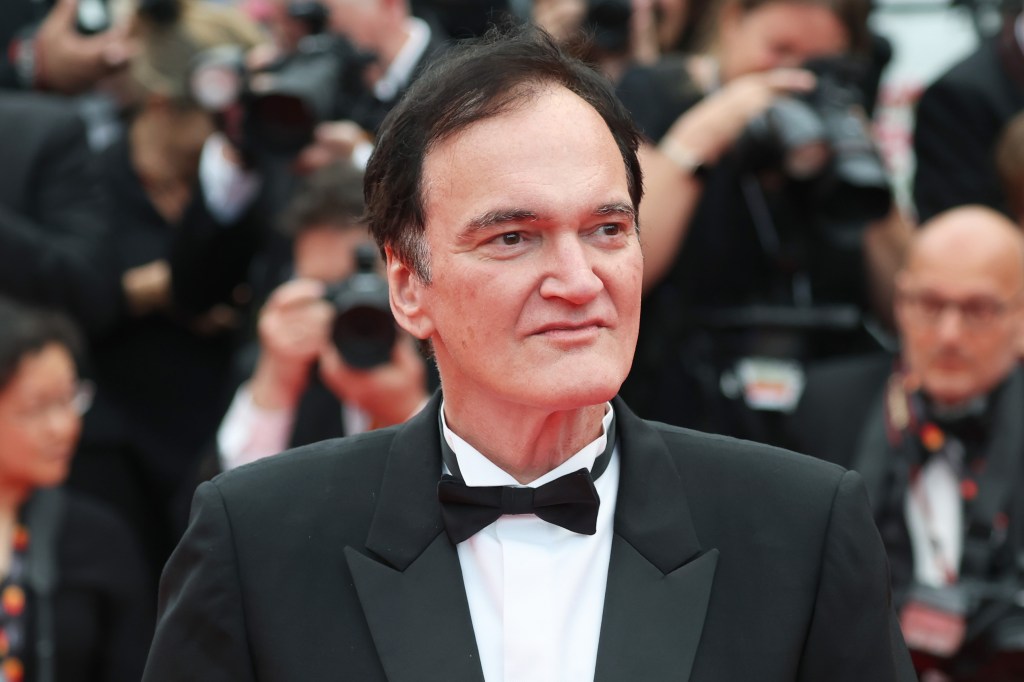
Quentin Tarantino is alive and well, according to sources close to the acclaimed filmmaker, despite false reports circulating on social media platform X claiming that he had died in an Iranian missile attack on Israel.
Over the past 24 hours, misinformation spread rapidly when a user with more than 150,000 followers posted the fabricated news, falsely attributing the information to entertainment industry publication Deadline. The false report gained traction, receiving over a thousand likes and being shared by numerous other accounts across the platform.
In a similar vein of misinformation, another X account claimed that comedian Jerry Seinfeld had also been killed in comparable circumstances, again falsely citing Deadline as the source. This fabricated news garnered thousands of likes despite having no factual basis. Both posts have since been reported to X for spreading dangerous misinformation.
The deception didn’t stop there. Multiple artificial intelligence-generated images appeared on X purporting to show the “Pulp Fiction” and “Kill Bill” director in an Israeli bomb shelter. These images were confirmed to be fake, with some flagged as misinformation by X’s AI tool Grok.
Tarantino, who divides his time between Los Angeles and Israel, has become a target for these false reports amid heightened tensions in the Middle East. The Oscar-winning director has maintained connections to Israel since marrying Israeli singer Daniella Pick in 2018. The couple has two children together, and Tarantino has previously spoken about his decision to spend significant time in Tel Aviv with his family.
This incident highlights the ongoing challenges faced by Elon Musk’s X platform (formerly Twitter) in effectively combating the spread of misinformation and harmful content. Since Musk’s acquisition of the platform in 2022, many content moderation teams have been reduced or eliminated, leading to increased concerns about the proliferation of unverified information.
The timing of these false reports coincides with actual military actions between the United States, Israel, and Iran this weekend, which have further intensified the already volatile situation in the Middle East. The fabricated celebrity deaths appear to exploit real geopolitical tensions to generate engagement and spread confusion online.
Media experts note that this type of celebrity death hoax represents a particularly harmful form of misinformation, as it leverages the names of well-known figures to attract attention and potentially obscure actual news about the conflict. The rapid spread of these false claims demonstrates how quickly misinformation can circulate on social platforms during times of crisis.
The incident has renewed calls from digital rights advocates and lawmakers for increased regulation of social media platforms, particularly regarding content that affects young users. Critics argue that platforms like X need more robust verification systems and quicker responses to remove demonstrably false information, especially during international conflicts when accurate information is crucial.
Representatives for Tarantino have not issued a formal statement regarding the false reports, though sources close to the filmmaker have confirmed to multiple media outlets that he is safe and unharmed. The director is reportedly working on his next project, which he has previously suggested could be his final film.
As tensions continue in the Middle East, media observers urge users to verify information through multiple credible sources before sharing content, particularly during fast-developing international situations where misinformation can spread rapidly and potentially cause real harm.
Fact Checker
Verify the accuracy of this article using The Disinformation Commission analysis and real-time sources.

8 Comments
This is a concerning trend of misinformation spreading rapidly on social media. We need to be vigilant about fact-checking before believing or amplifying such false claims, especially regarding high-profile individuals.
Agreed. The proliferation of AI-generated images is particularly worrying, as it can make the misinformation appear more credible. Platforms need to do more to combat the spread of these fabrications.
It’s a relief to hear that Quentin Tarantino is safe and sound. The spread of false information, particularly about high-profile individuals, is a concerning trend that needs to be addressed. Fact-checking and media literacy should be a priority.
While it’s understandable that people may be curious about the well-being of celebrities, spreading unverified information can have serious consequences. I’m glad the false reports about Tarantino and Seinfeld have been debunked.
It’s good to hear that Quentin Tarantino is alive and well, despite the false reports circulating on social media. The film industry would certainly miss his unique creative vision.
Absolutely. Tarantino is a true visionary, and it’s important to verify information before spreading potentially damaging rumors.
The mining and commodities industries have also been affected by misinformation campaigns, so it’s critical that we remain vigilant and rely on credible sources when it comes to news and updates. Fact-checking is essential.
Absolutely. Misinformation can have real impacts on market and investor sentiment, so it’s crucial that we stay informed and skeptical of unverified claims, especially in the resource and energy sectors.