


Listen to the article
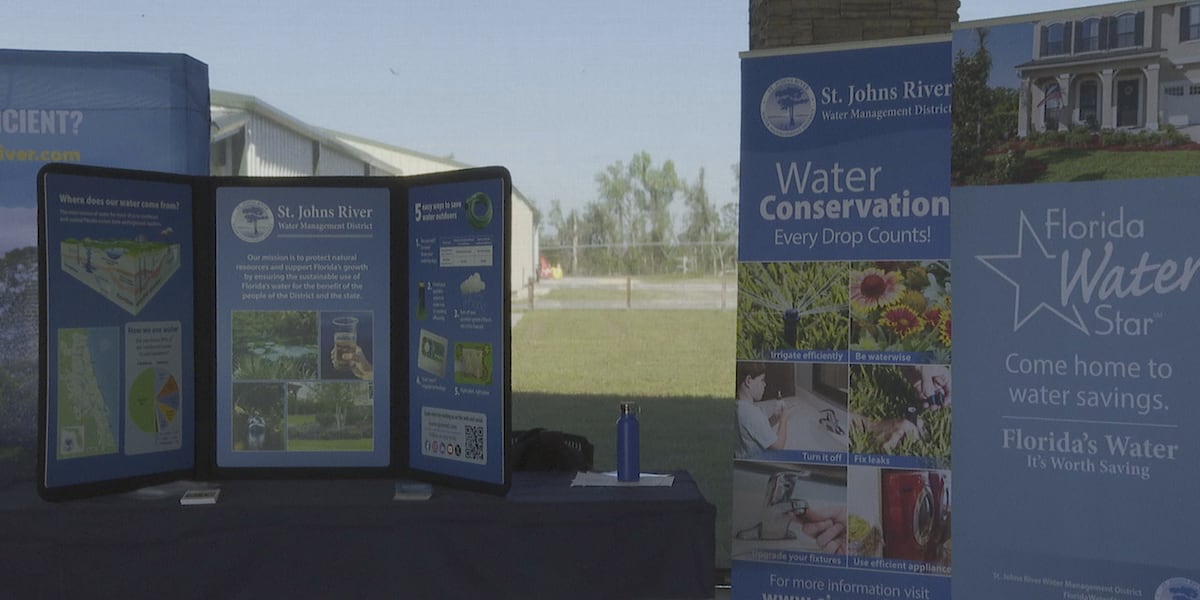
The proposed “Water First North Florida Project,” which aims to transfer 40 million gallons of reclaimed water daily from Jacksonville to North Central Florida, drew fierce public scrutiny at Thursday’s open house in Live Oak.
Hundreds of concerned residents packed the venue to question the controversial water project that would impact the Suwannee River basin and the Floridan Aquifer. While water management officials promoted the project’s potential benefits, many locals remained unconvinced and openly hostile to the proposal.
Project leaders explained that the reclaimed water would undergo additional treatment through wetlands before being injected underground to recharge the Floridan Aquifer. According to officials, this approach would reduce surface-water discharge into waterways while returning purified water to the groundwater system.
“We are working hard to put all that experience to work, and that’s what’s resulting in this project—we want to make sure that it’s clean, that it’s safe, that it’s reliable, and that it meets the demand,” said Mike Register, executive director of the St. Johns River Water Management District.
The Suwannee River Water Management District emphasized that they evaluated approximately 800 different projects before selecting this proposal, describing it as the most cost-efficient and effective option to address future water needs in the region.
However, the reassurances did little to quell widespread opposition. Many residents expressed deep skepticism about water quality guarantees and potential long-term environmental impacts.
“Our water in Gilchrist County is two-thirds of the purest drinking water in the world, and they want to pollute it with what they want to do here,” said Karen Rodriguez, a Gilchrist County resident. “It’s very wrong. They shouldn’t be allowed to do it.”
The controversy extends well beyond individual concerns. A regional task force representing 12 counties has already voted unanimously against the project. Both Columbia County and Suwannee County leadership have formally raised objections, advocating for alternative solutions they believe would better protect the region’s water resources.
“The bottom line is… as you can see the people don’t want this,” said Layne Schultetus, a Columbia County resident. “I mean if it comes down to getting attorneys and fighting this and going before the governor and saying ‘No’…I mean this shouldn’t have been voted on to begin with.”
North Central Florida’s water resources have long been a point of contention between local communities and state water management agencies. The region is home to numerous springs, rivers, and some of Florida’s most pristine groundwater. Many residents view the proposal as an attempt to appropriate their natural resources to benefit coastal urban areas with growing populations.
Water management officials countered that without implementing projects like this one, they may eventually need to impose water use restrictions to meet growing demand across the region. Florida’s population continues to grow at one of the fastest rates in the nation, putting increasing pressure on limited water resources.
Officials stressed that the project remains in the planning and assessment phase, with substantial research and testing still to be conducted. Even if approved through all regulatory channels, implementation would not begin until 2039, providing time for additional refinements and continued public input.
The contentious open house represented one step in what promises to be a lengthy and heated debate over water management priorities in North Florida. The divide between state water planners and local communities highlights broader tensions over resource management in a state facing both rapid development and environmental challenges.
As the review process continues, water management districts have promised that public feedback will remain an integral part of their decision-making, though many residents remain skeptical about whether their opposition will ultimately influence the outcome.
Fact Checker
Verify the accuracy of this article using The Disinformation Commission analysis and real-time sources.

8 Comments
Water resource management is always a complex challenge, with many competing priorities and interests at play. I hope the project leaders can find a solution that meets the region’s needs while also addressing the valid environmental concerns raised by the community.
Agreed, a balanced, evidence-based approach that incorporates stakeholder input will be crucial for the success of this project.
Water management is a delicate issue, with complex tradeoffs between environmental protection, economic development, and community needs. I hope the project team can find a solution that prioritizes sustainability and earns the support of the local residents.
It’s good to see the project leaders trying to be transparent and engage the local community. However, the fierce public opposition suggests there is still a lot of work to do to build trust and address the community’s fears. I hope they can find a way forward that satisfies all parties.
The need to find sustainable solutions for water management is clear, but the details and potential trade-offs require careful consideration. I hope the open house provided an opportunity for productive dialogue and that the project leaders are able to address the community’s valid questions and concerns.
Agreed, open communication and a collaborative approach will be key to finding the right balance. Thorough environmental impact assessments should be a top priority.
This seems like a complex and contentious issue. I can understand both sides – the potential benefits of the water project, but also the understandable concerns from local residents about potential impacts on the environment and water resources. It will be important to have a thorough, transparent review process that addresses all stakeholder concerns.
Injecting treated wastewater into the Floridan Aquifer is an interesting approach, but the potential risks to this sensitive groundwater system need to be fully understood. I’m curious to learn more about the specific treatment methods and how they will ensure the water quality meets strict standards.