


Listen to the article
Power Minister Addresses Misinformation About Smart Meters, Urges Public Education Campaign
Union Power Minister Manohar Lal has called on electricity distribution companies to launch a coordinated public awareness campaign to counter widespread misconceptions about smart electricity meters among consumers.
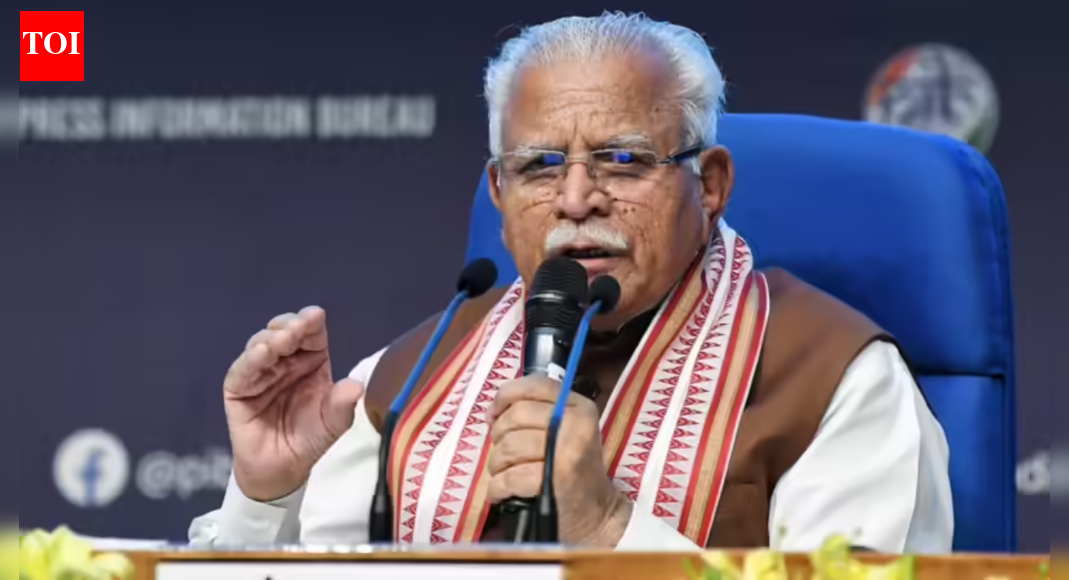
Speaking at the closing session of a national conference on artificial intelligence and machine learning in the power distribution sector at Bharat Mandapam, Lal highlighted the urgent need for consumer education as farmers plan nationwide demonstrations against smart meters.
“Farmers plan to hold a nationwide demonstration on Monday, demanding that the clause related to smart meters in the draft Electricity (Amendment) Bill, 2025, be scrapped,” Lal said. “They are not aware what smart meters are or what impact they will have, yet believe they are harmful. Moreover, they don’t even have to pay the electricity bills because the state governments give the subsidy.”
The minister’s comments come after farmers blocked railway tracks across 19 districts in Punjab on Friday to protest against the bill. The situation echoes the initial resistance faced during the transition to electronic meters years ago, with Lal noting that only a small percentage of consumers currently understand the benefits of smart meters.
The draft Electricity (Amendment) Bill, 2025, which is expected to be introduced in Parliament during the ongoing winter session, aims to transform India’s energy market structure. Key provisions include rationalizing cross-subsidies, promoting cost-reflective tariffs, and enabling industrial users to procure power directly. The government maintains that the bill will dismantle barriers to manufacturing competitiveness while preserving subsidized tariffs for farmers and eligible consumers.
Smart meter installation is a central component of the government’s revamped distribution sector scheme, which seeks to modernize power infrastructure, reduce commercial losses, and improve billing efficiency. Of the ambitious 25 crore target, approximately 4.8 crore prepaid smart meters have been installed nationwide to date.
The two-day conference where Lal spoke showcased various applications of advanced technology in the power sector, including smart meter data analytics, integrated IT/OT systems, and smart home automation. These innovations aim to enhance operational efficiency and consumer satisfaction across distribution companies.
On the subject of artificial intelligence, the minister expressed mixed sentiments. “Innovation brings happiness, but AI also creates doubts. We should not let our natural thinking power decline,” he cautioned. While acknowledging the remarkable progress in India’s power sector over the past century, he emphasized the importance of continuing to advance with scientific thinking, improved efficiency, and public awareness.
“We must keep moving forward, resolving the challenges that come in the way,” Lal added.
The minister also discussed India’s progress toward its target of 500 GW of non-fossil fuel power capacity by 2030, a key commitment in the country’s climate action plan. However, he offered a pragmatic view on the energy transition, noting that fossil fuels, particularly coal, will continue to play a significant role in the country’s power generation mix until renewable energy sources achieve full stability.
The government’s push for smart meters comes amid broader efforts to digitalize India’s power infrastructure and improve the financial health of distribution companies, many of which face significant operational losses and revenue challenges. Industry analysts suggest that smart meters could help address issues like power theft and billing inefficiencies that plague the sector.
Fact Checker
Verify the accuracy of this article using The Disinformation Commission analysis and real-time sources.

16 Comments
Smart meters can be a valuable tool, but consumer education is key. People need to understand the benefits, not just focus on potential downsides. Outreach campaigns that address concerns directly could go a long way.
Agreed, transparency and clear communication from authorities will be crucial. Farmers shouldn’t be left in the dark about the technology and its implications.
This speaks to the importance of proactive stakeholder engagement, especially for disruptive technologies. Listening to community concerns can lead to more effective, equitable solutions.
Well said. Utility companies and policymakers should view this as an opportunity to build stronger relationships with the public, not just push through new programs.
The minister is right to call for a public awareness campaign. Countering misinformation with facts is important, but building trust through open dialogue is equally vital.
Agreed. Smart meters have benefits, but public acceptance won’t happen overnight. A thoughtful, inclusive process is needed to address concerns and demonstrate the real-world impacts.
I’m curious to learn more about the specific concerns farmers have with smart meters. Understanding their perspective could inform better policy solutions.
Good point. Addressing misconceptions head-on through facts and open dialogue is important. Dismissing concerns outright is unlikely to resolve the conflict.
The minister is right to emphasize public education. Smart meter rollouts have faced pushback in other countries too. Proactive communication can help manage expectations and build trust.
Absolutely. Transparency around the technology, data usage, and consumer benefits will be crucial. Engaging community leaders could also enhance outreach efforts.
Interesting to see how this resistance to smart meters mirrors patterns seen elsewhere. Overcoming entrenched skepticism often requires a nuanced, multi-faceted approach.
Yes, it’s a complex challenge. Policymakers need to balance innovation and efficiency with respecting public concerns. Careful implementation and clear communication will be key.
Interesting to see the parallels with smart meter rollouts in other countries. Resistance often stems from misconceptions, so education campaigns can be a valuable first step.
Absolutely. Addressing concerns head-on, rather than dismissing them, is crucial. A collaborative approach that brings all stakeholders to the table is more likely to succeed.
This highlights the need for inclusive policymaking. Engaging with all stakeholders, including skeptical groups, and addressing their legitimate concerns can help drive acceptance of smart grid innovations.
Well said. Smart meters can bring efficiency, but the public must be brought along. A thoughtful, collaborative approach is needed to overcome resistance and misinformation.