


Listen to the article
Betting Platform Polymarket Builds Network of News-Style Affiliates, Raises Misinformation Concerns
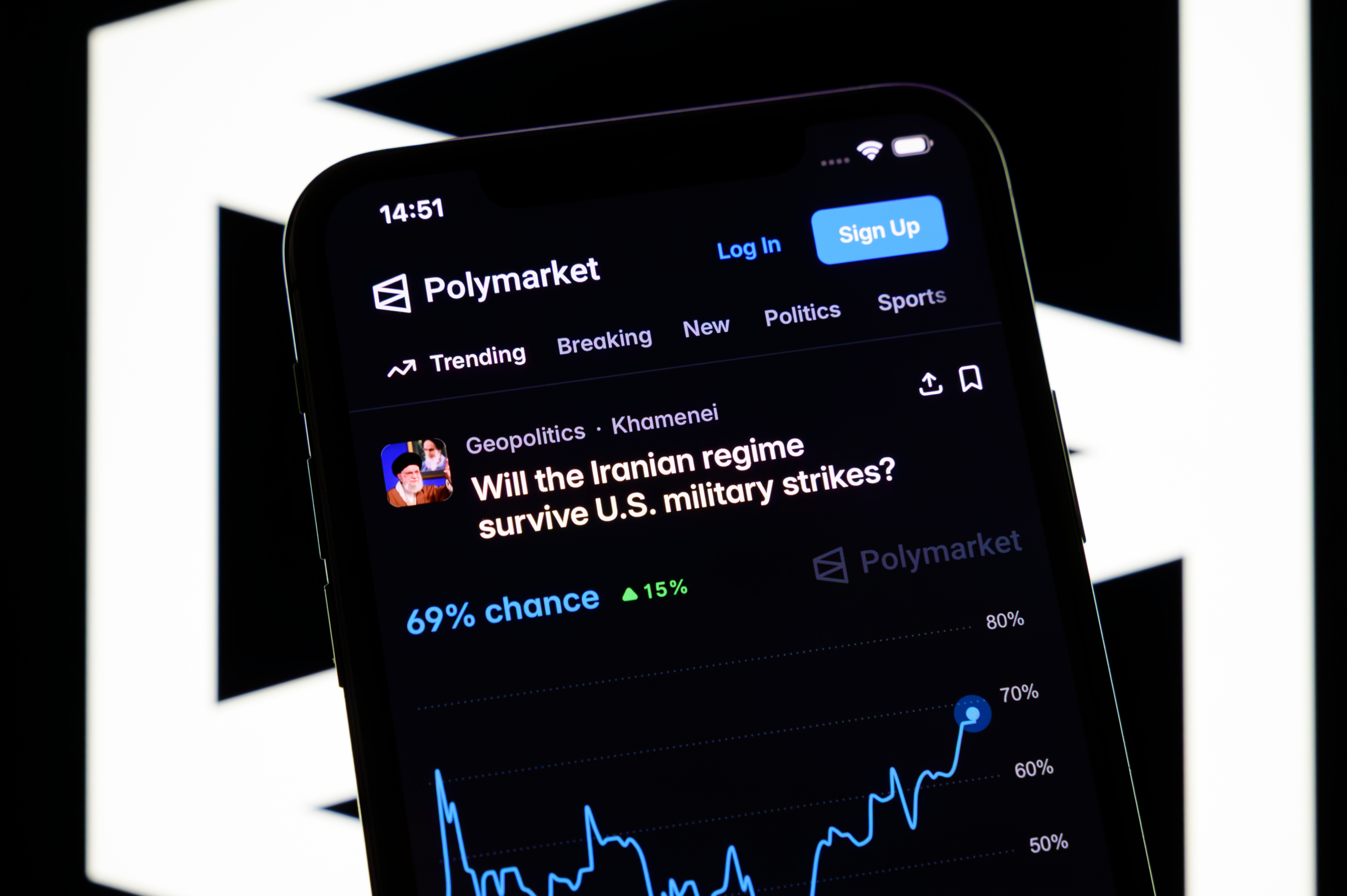
Polymarket, a popular platform where users can bet on outcomes ranging from elections to wars, has been aggressively expanding its presence in the media landscape through partnerships with major news organizations and a growing network of affiliated accounts on social media.
In the past year, Polymarket and similar prediction markets have announced formal partnerships with CNN, CNBC, Dow Jones, Yahoo Finance, and Substack. According to The Verge, they’ve even approached independent journalists with partnership offers. These connections appear to be part of a broader strategy to position gambling platforms as legitimate sources of real-time information about world events.
However, an analysis by the Tow Center has uncovered a concerning trend beyond Polymarket’s official partnerships. The research identified at least eleven accounts on X (formerly Twitter) with words like “news” or “updates” in their bios that are either officially listed as Polymarket affiliates or reference working with the company.
These accounts, including @NewsWire_US and @unusual_whales, have substantial reach and regularly post content that lacks context or contains outright false information. A New York Times analysis published last week found that Polymarket’s own X account contained hundreds of false and misleading posts.
Most of these affiliated accounts display a Polymarket or PolymarketMoney “badge” from X, requiring explicit invitation from the official account. Some, like @unusual_whales, don’t have a badge but claim to be a Polymarket partner in other contexts. Their posts are typically short, inflammatory, and not based on original reporting. They frequently label outdated information as “BREAKING” or “NEW” and often fail to include dates or proper attribution to original sources.
The collective reach of these accounts is significant — together they attract over three times as many impressions as the official Polymarket account. @NewsWire_US alone reaches an average of over 200 million impressions per month, according to data from social media tracking organization Junkipedia.
Polymarket’s influence appears to extend beyond accounts with official badges. The Tow Center found numerous posts from high-profile accounts like those belonging to Piers Morgan and Laura Loomer that reference Polymarket data and are marked with X’s “paid partnership” badge. Although X recently required users to disclose paid partnerships, the platform doesn’t publish information about which companies users are partnering with.
These paid partnerships include popular general-interest accounts like @PopBase, @sentdefender, and @zerohedge, as well as partisan media figures from across the political spectrum. Many of these accounts deliver news with a right-wing slant, such as @LeadingReport, which links to a website that has been redesigned from a conservative news outlet to a feed of stories tied to Polymarket events. These stories often lack bylines and several appear to be AI-generated.
Polymarket has also expanded its reach by acquiring existing accounts with established follower bases. For example, @UAWeapons, which posted updates on the Ukrainian war, changed its name after stating in its bio that it was “sold and renamed to @PolymarketIntel.”
Kalshi, another betting market, has pursued similar “paid partnership” opportunities with news accounts like @BNONews and @WhaleInsider. However, Kalshi abandoned its official affiliate badges in February when X updated its promotional policy, with a company spokesperson indicating they want to avoid association with content that might move markets due to regulatory concerns.
The impact of these affiliated accounts can be substantial. One of NewsWire’s most viral posts, which misleadingly claimed that Trump was considering eliminating NASA, garnered over 20 million impressions. Similarly, a false post by @unusual_whales claiming that “Over 70% of licensed Realtors didn’t sell a single home last year” gained over five million impressions, despite misattributing statistics.
When betting platforms control both the wagering systems and influence the information that may affect those wagers, they create what critics describe as a dangerous closed system. As Elizabeth Lopatto recently wrote for The Verge, markets are “cosplaying as news.” Allowing betting markets to control news dissemination, especially without proper transparency, threatens to further erode confidence in an already fragile information ecosystem.
Polymarket acknowledged receiving questions from the Tow Center but did not respond with answers about the exact nature of these affiliations or their content moderation practices.
Fact Checker
Verify the accuracy of this article using The Disinformation Commission analysis and real-time sources.

8 Comments
The concerns around Polymarket affiliates spreading misinformation are understandable. Regulators will need to strike a balance between allowing innovation in prediction markets while ensuring robust consumer protections and disclosure requirements.
Prediction markets can be a valuable tool, but the Polymarket case shows how they can also be vulnerable to misinformation and manipulation if not properly governed. Rigorous standards and independent audits are needed.
Interesting to see the concerns around Polymarket affiliates and potential misinformation. Prediction markets can provide real-time insights, but their connections to media outlets raise questions about transparency and objectivity.
Agreed, platforms like Polymarket need to be upfront about their partnerships and ensure their affiliates are providing accurate, balanced information.
This is a complex issue without easy answers. On one hand, prediction markets offer unique data and insights. But the Polymarket situation demonstrates the risks of blurring the lines between gambling, news, and information. Careful regulation is crucial.
Well said. Maintaining the integrity and transparency of these emerging financial platforms should be a top priority for policymakers and industry watchdogs.
The analysis by the Tow Center highlights the need for stronger oversight and disclosure requirements around these types of financial/gambling platforms and their media relationships. Transparency is crucial to maintain trust.
Absolutely. Regulators should look closely at these emerging prediction market models and their growing media footprint to ensure they aren’t exploiting information asymmetries.