


Listen to the article
In what experts are calling an alarming trend, a new poll reveals that American medicine and science are under siege from widespread online misinformation, with dangerous consequences for public health and scientific progress.
The poll, conducted by the Annenberg Public Policy Center at the University of Pennsylvania, found that a significant portion of Americans regularly encounter and sometimes believe false or misleading health and scientific information on social media platforms and websites.
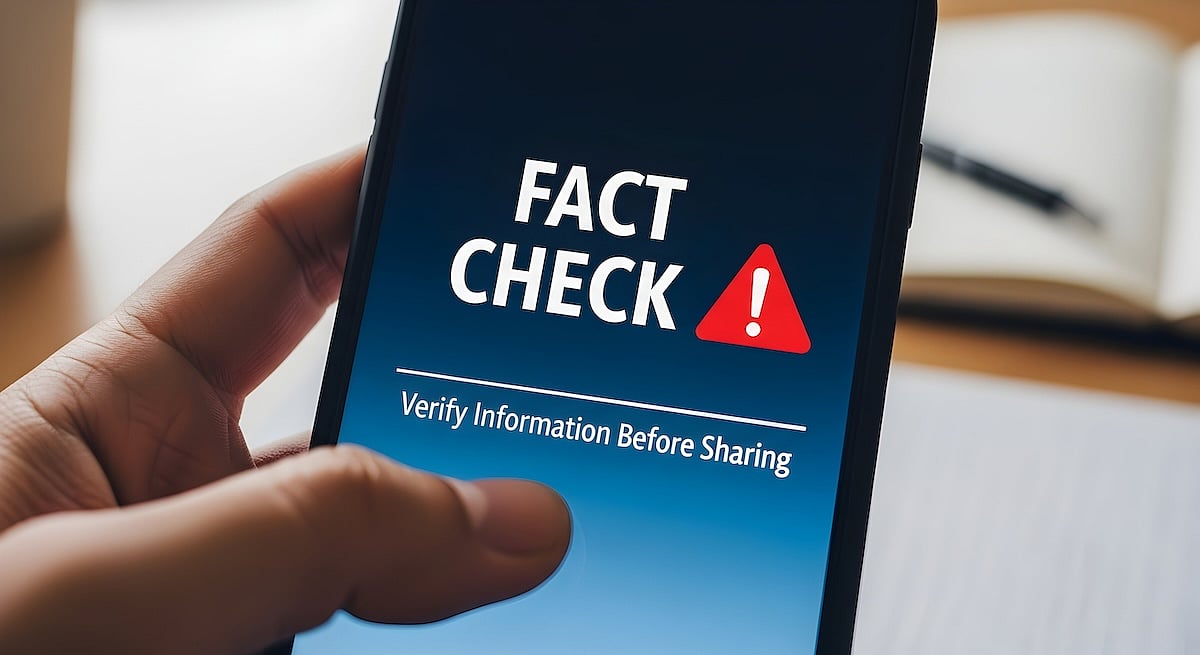
According to the survey results, nearly 65% of respondents reported seeing health misinformation online at least once a week, with topics ranging from vaccine safety to unproven medical treatments and dietary advice. More troublingly, approximately 32% admitted to sharing such information before verifying its accuracy.
“What we’re witnessing is nothing short of an epistemic crisis,” said Dr. Kathleen Hall Jamieson, director of the Annenberg Center. “When people cannot distinguish between credible scientific consensus and fringe theories or outright falsehoods, it undermines our collective ability to make informed decisions about health and science policy.”
The proliferation of health misinformation has real-world consequences. During the COVID-19 pandemic, for instance, false claims about treatments like hydroxychloroquine or ivermectin led many people to seek unproven therapies while avoiding established preventive measures. Public health officials continue to battle vaccine hesitancy fueled by debunked claims about safety risks.
Medical professionals on the front lines report increasing challenges with patients who arrive with firm beliefs based on misinformation. Dr. Robert Califf, Commissioner of the Food and Drug Administration, recently described the situation as “a perfect storm where scientific literacy is low, mistrust in institutions is high, and the technological infrastructure makes spreading false claims easier than ever before.”
The poll identified several factors contributing to the problem. Social media algorithms often amplify controversial or emotionally charged content regardless of accuracy. Meanwhile, legitimate scientific communication—with its careful qualifications and nuanced conclusions—struggles to compete with simplified, sensationalized claims.
Economic incentives also play a role. The survey found that 58% of health misinformation originated from sources that profit from alternative treatments or dietary supplements. These sources often present themselves as challenging “establishment” medicine while promoting their own products.
Demographic differences emerged in the findings as well. Adults under 30 were more likely to encounter health misinformation but also more skilled at identifying it. Educational background proved significant, with those holding college degrees reporting greater confidence in distinguishing credible from non-credible sources.
“We’re dealing with a genuine public health threat,” said Dr. Vivek Murthy, U.S. Surgeon General, who has previously issued an advisory about health misinformation. “When people avoid vaccination, delay seeking proper medical care, or pursue unproven treatments based on misinformation, lives are literally at stake.”
The scientific community itself faces increasing challenges. Researchers report harassment campaigns when their findings contradict popular narratives, particularly in politically charged areas like climate science or public health. Some scientists have even curtailed public communication out of concern for professional or personal backlash.
Despite these challenges, the poll revealed some encouraging findings. When presented with corrections from authoritative sources, 48% of respondents indicated willingness to reconsider misinformation they had previously believed. This suggests potential for evidence-based interventions.
Several initiatives are underway to address the problem. The National Institutes of Health has launched a program to improve science communication, while major technology companies have pledged to reduce the spread of dangerous health misinformation on their platforms. Educational efforts at high school and college levels are focusing on improving critical thinking and media literacy skills.
“This isn’t just about protecting scientific authority,” explained Dr. Francis Collins, former NIH director. “It’s about ensuring that evidence-based thinking remains the foundation for addressing our most pressing challenges, from pandemics to climate change.”
As misinformation continues to evolve in sophistication, experts emphasize that addressing it requires not just technological solutions but broader cultural and educational approaches that rebuild trust in scientific processes and institutions.
Fact Checker
Verify the accuracy of this article using The Disinformation Commission analysis and real-time sources.

10 Comments
This is a concerning trend. Misinformation can have serious consequences when it comes to public health and scientific progress. It’s crucial that people learn to critically evaluate online content and verify information before sharing it.
Seeing these poll results is disheartening. Misinformation can be incredibly damaging, especially when it comes to sensitive topics like health and science. We need to find ways to empower people to think critically about online content and rely on authoritative sources.
This is a worrying trend that could have far-reaching implications. Widespread misinformation poses a threat to evidence-based decision-making and scientific progress. Strengthening media literacy and source verification skills should be a priority.
I’m not surprised by these poll results. Social media has become a breeding ground for health misinformation, with false claims and unproven treatments spreading rapidly. This undermines trust in legitimate medical and scientific authorities.
Absolutely. We need better media literacy education to help people distinguish reliable sources from fringe theories or outright falsehoods.
The prevalence of health misinformation is a serious issue that deserves attention. Maintaining public trust in science and medicine is crucial, especially during times of crisis like the COVID-19 pandemic.
You’re right. Misinformation can have real-world consequences, undermining efforts to address public health challenges. More must be done to combat this problem.
As someone interested in the medical field, this is really troubling. Misinformation can lead to dangerous decisions that put people’s health at risk. More needs to be done to combat the spread of online health misinformation.
I agree. Social media platforms need to take a more proactive role in moderating and removing verified misinformation, while also promoting authoritative sources.
The proliferation of online health misinformation is a serious concern. It’s crucial that people learn to distinguish credible scientific consensus from fringe theories or falsehoods. Addressing this issue should be a top priority for policymakers and tech companies.