


Listen to the article
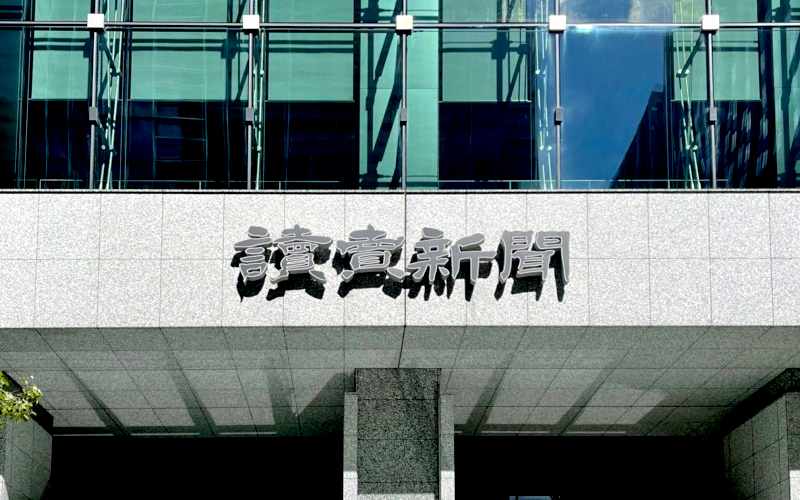
Public concern over social media misinformation affecting elections has reached alarming levels, according to a recent Yomiuri Shimbun survey that found 91% of respondents worried about the potential impact on voting outcomes.
The nationwide poll, conducted ahead of Newspaper Week beginning Wednesday, revealed widespread anxiety about manipulated content on social media platforms, with respondents particularly troubled by selectively edited video clips of candidates’ speeches and debates. Only 7% of those surveyed expressed no concern about this issue.
In response to these challenges, 82% of participants voiced strong support for fact-checking initiatives by traditional news outlets, including newspaper publishers and broadcasters, to verify election-related information circulating on social media. This substantial majority significantly outweighed the 15% who did not see value in such efforts.
The survey, which collected responses from 2,039 eligible voters across Japan between August 25 and September 30, also highlighted growing concerns about artificial intelligence and copyright issues. An overwhelming 83% of respondents backed stronger regulations for AI service providers, specifically regarding the use of news articles and other copyrighted materials without permission for training generative AI systems like ChatGPT. Only 15% opposed additional regulatory measures.
This sentiment reflects escalating tensions between content creators and AI developers, with litigation emerging across multiple continents. In recent months, lawsuits against AI companies have been filed in Europe, the United States, and Japan, challenging the unauthorized use of copyrighted works in AI training datasets.
Taking a stand on this issue, the Japan Newspaper Publishers & Editors Association has issued a formal statement calling on AI service providers to secure proper permissions from news organizations before using their content to train generative AI models.
Despite the digital transformation reshaping media consumption patterns, traditional newspapers continue to maintain public trust. The survey found that 70% of respondents still consider newspaper reporting “reliable,” matching last year’s results. Additionally, 73% viewed newspapers as “necessary,” representing only a slight decrease from 74% in the previous survey.
These findings come at a critical juncture for Japanese media, as traditional news outlets navigate the challenges posed by social media platforms and emerging technologies. The high level of concern about misinformation reflects broader global trends, where digital platforms have increasingly become vectors for false or misleading content during election cycles.
Media experts point to the survey as evidence that despite technological shifts, there remains strong public demand for trusted information sources, particularly during politically sensitive periods. The results suggest that while new media platforms have transformed information consumption, they have not diminished the perceived importance of journalistic standards and fact-based reporting.
As Japan and other democracies grapple with digital-age challenges to electoral integrity, the survey underscores the potential role traditional media outlets might play in verifying information and combating misinformation, even as they face their own battles with technology companies over content rights and digital transformation.
The Yomiuri Shimbun, one of Japan’s most influential newspapers with a nationwide circulation, conducts this media survey annually, providing valuable insights into shifting public attitudes toward news sources and information integrity in a rapidly evolving media landscape.
Fact Checker
Verify the accuracy of this article using The Disinformation Commission analysis and real-time sources.

11 Comments
This poll underscores the public’s growing awareness of the risks posed by online misinformation, particularly when it comes to elections. Strengthening regulations and investing in media literacy initiatives are critical next steps.
I agree, the public’s heightened concern is a clear signal that decisive action is needed. Restoring trust in the integrity of election information should be a top priority for policymakers and tech platforms.
The survey findings highlight the urgent need to address the threat of social media misinformation influencing election outcomes. Fact-checking, transparency, and media literacy are all essential components of the solution.
It’s worrying to see the level of public concern over social media misinformation impacting election results. Strengthening regulations around AI and copyright issues related to manipulated content is clearly an important priority.
I agree, the high percentage of people worried about this issue is quite alarming. Proactive steps by media and policymakers will be critical to tackle the spread of misinformation.
This is a concerning trend. The public’s lack of trust in the accuracy of online information, especially around elections, highlights the urgent need for stronger safeguards and fact-checking measures. Improving media literacy is also crucial.
You’re right, this is a complex issue that requires a multifaceted approach. Empowering people to think critically about online content is just as important as policy changes and enforcement.
The high percentage of people worried about social media misinformation affecting elections is a wake-up call. Effective fact-checking and transparency around AI-driven content are essential to protect the democratic process.
The findings in this poll are troubling. Widespread anxiety over social media misinformation skewing election outcomes is a serious threat to the integrity of the democratic process. Decisive action is needed to address this growing problem.
This poll highlights the serious concerns people have about social media misinformation influencing elections. It’s concerning to see such a high percentage worried about this issue. Fact-checking initiatives by traditional media outlets seem like a crucial step to address it.
This poll paints a concerning picture of the public’s distrust in the accuracy of online information, especially when it comes to elections. Bolstering fact-checking efforts and strengthening regulations around AI-driven content are crucial steps forward.