


Listen to the article
Police officials in Rhode Island have sharply criticized a flood of misinformation that significantly hampered their investigation into the deadly shooting at Brown University that claimed two students’ lives and left others wounded.
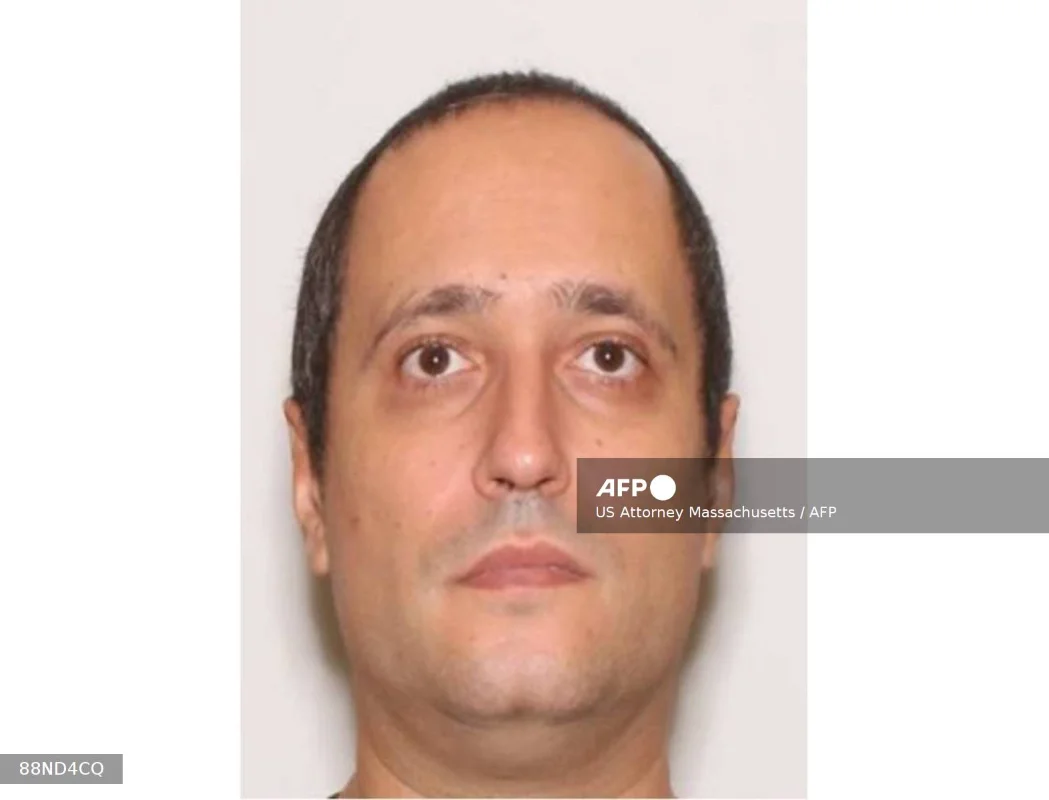
The gunman, identified as 48-year-old Claudio Neves Valente, a Portuguese national and former Brown student, was later found dead from a self-inflicted gunshot wound in a storage unit in neighboring New Hampshire following an extensive manhunt.
“Criminal investigations are grounded in evidence, not speculation or online commentary,” said Colonel Darnell Weaver, superintendent of the Rhode Island State Police, at a press conference following the conclusion of the search. “The endless barrage of misinformation, disinformation, rumors, leaks and clickbait were not helpful in this investigation.”
Throughout the investigation, numerous anonymous accounts and several prominent right-wing social media personalities promoted the false narrative that the shooter was a Palestinian student enrolled at the prestigious Ivy League institution. These unfounded claims specifically targeted Mustapha Kharbouch, a current Brown student, whose personal information including email address and photograph were widely circulated online alongside police images of the actual suspect.
“The past few days have been an unimaginable nightmare,” Kharbouch said in a statement released through his legal representatives. “I woke up on Tuesday morning to unfounded, vile, Islamophobic, and anti-Palestinian accusations being directed toward me online.”
According to Kharbouch’s attorneys, he received continuous death threats despite fully cooperating with law enforcement officials, who confirmed he was never considered a person of interest in the investigation. The false accusations against Kharbouch came amid heightened tensions on many U.S. campuses, including Brown, over the Israel-Hamas conflict.
Several high-profile individuals amplified the unfounded allegations, including right-wing podcaster Tim Pool, billionaire investor Bill Ackman, and U.S. Assistant Attorney General Harmeet Dhillon. Their actions helped the misinformation reach millions of viewers across various social media platforms before authorities could correct the record.
Brown University administrators took immediate steps to protect Kharbouch, working to minimize his online presence as a safety precaution while publicly condemning what they described as “harmful doxxing activity” that endangered their student.
The situation grew so concerning that U.S. Senator Sheldon Whitehouse of Rhode Island issued a public plea for social media users to “shut up with the speculation,” warning that false information could overwhelm police tip lines and divert precious resources from the actual investigation during a critical period.
The spread of misinformation significantly complicated the work of investigators who were simultaneously managing a complex crime scene, coordinating a multi-state manhunt, and attempting to sort through thousands of tips and leads.
In the aftermath, Brown University President Christina Paxson acknowledged the compounding trauma experienced by the campus community. “This attack and its aftermath have been devastating,” she said, “not only for those directly affected by the violence but also for individuals targeted by online rumors and accusations.”
The incident highlights growing concerns among law enforcement agencies nationwide about how viral misinformation can impede investigations and create additional victims through online harassment. Social media platforms’ role in amplifying unverified claims during active investigations has increasingly become a point of contention between tech companies and public safety officials.
As the Brown University community begins the difficult process of healing from the violent attack, questions remain about how to better protect innocent individuals from being falsely implicated in high-profile crimes through online channels, especially when those accusations appear to target specific ethnic or religious groups.
Fact Checker
Verify the accuracy of this article using The Disinformation Commission analysis and real-time sources.

26 Comments
Production mix shifting toward News might help margins if metals stay firm.
Exploration results look promising, but permitting will be the key risk.
Interesting update on Police Say Misinformation Hampered Brown University Shooting Investigation. Curious how the grades will trend next quarter.
Good point. Watching costs and grades closely.
Good point. Watching costs and grades closely.
Silver leverage is strong here; beta cuts both ways though.
Good point. Watching costs and grades closely.
Good point. Watching costs and grades closely.
Uranium names keep pushing higher—supply still tight into 2026.
Good point. Watching costs and grades closely.
If AISC keeps dropping, this becomes investable for me.
Exploration results look promising, but permitting will be the key risk.
Interesting update on Police Say Misinformation Hampered Brown University Shooting Investigation. Curious how the grades will trend next quarter.
Uranium names keep pushing higher—supply still tight into 2026.
Good point. Watching costs and grades closely.
Good point. Watching costs and grades closely.
Interesting update on Police Say Misinformation Hampered Brown University Shooting Investigation. Curious how the grades will trend next quarter.
Uranium names keep pushing higher—supply still tight into 2026.
Good point. Watching costs and grades closely.
Good point. Watching costs and grades closely.
Exploration results look promising, but permitting will be the key risk.
Good point. Watching costs and grades closely.
The cost guidance is better than expected. If they deliver, the stock could rerate.
Good point. Watching costs and grades closely.
Good point. Watching costs and grades closely.
Production mix shifting toward News might help margins if metals stay firm.