


Listen to the article
Nepali Police Arrest Man for Inciting Violence Against Bank Employees on Social Media
Nepali authorities have arrested a man from Jhapa district for allegedly posting content on social media that incited violence against banking sector employees and spread misinformation, officials announced Wednesday.
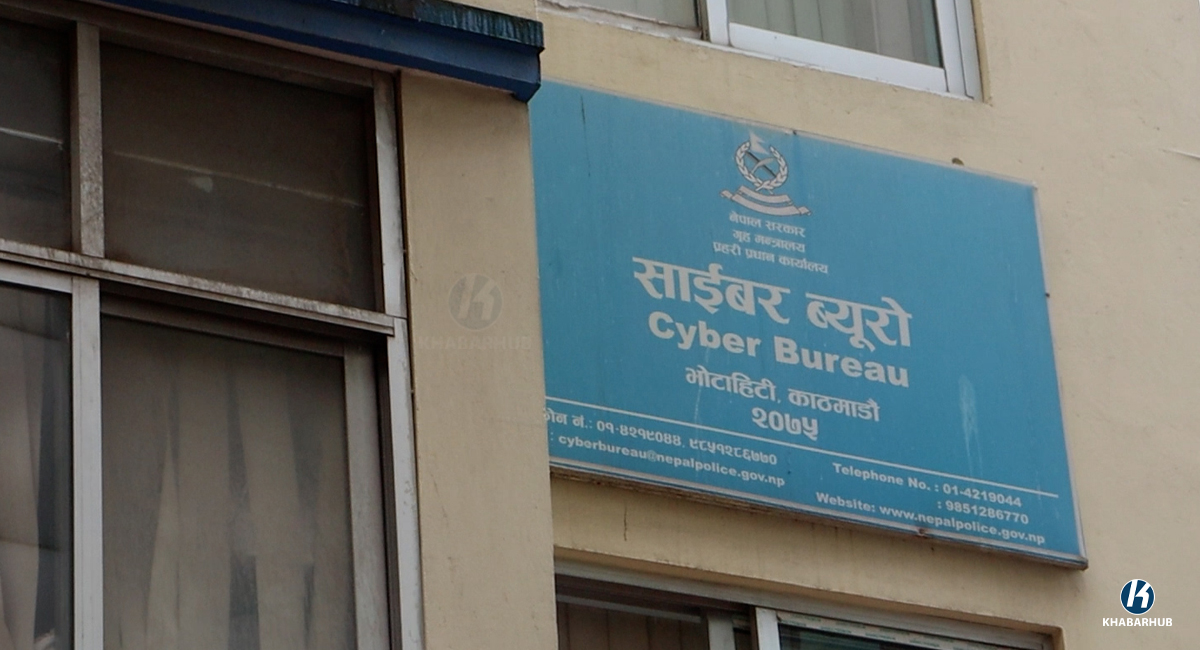
The Cyber Bureau of Nepal Police identified the suspect as Ishwari Prasad Sangraula, a resident of Arjundhara Municipality-11 in Jhapa. According to bureau officials, Sangraula has already submitted a written apology while the investigation continues.
“We have taken him into custody and are conducting a thorough investigation into the nature and impact of his posts,” said Superintendent of Police Dipak Raj Awasthi, who serves as spokesperson for the Cyber Bureau. “Our preliminary findings indicate his content violated several provisions of Nepal’s electronic transaction laws.”
The arrest comes amid growing concerns about the misuse of social media platforms in Nepal, where digital literacy remains relatively low despite rapidly increasing internet penetration. Officials did not specify the exact nature of Sangraula’s posts but confirmed they targeted banking professionals with potentially dangerous rhetoric.
Nepal’s banking sector has faced public criticism in recent months over interest rates and lending practices during a period of economic uncertainty. Industry experts suggest this environment may have contributed to increased hostility toward financial institutions on social media.
The Cyber Bureau has intensified its monitoring of online platforms and warned that similar enforcement actions will follow for others posting illegal content. “This arrest should serve as a reminder that freedom of expression comes with responsibilities,” Awasthi noted. “We’re closely monitoring all major social media platforms for content that violates our laws.”
Digital rights advocates in Nepal have expressed mixed reactions to the arrest. While acknowledging the need to prevent incitement to violence, some have raised concerns about potential overreach in policing online speech.
“There’s a delicate balance between preventing harmful content and respecting freedom of expression,” said Rajesh Sharma, a digital rights activist based in Kathmandu. “The authorities need to be transparent about their criteria for determining what constitutes illegal speech online.”
Nepal has seen several high-profile cases involving social media in recent years. In 2021, the government introduced more stringent regulations on social media platforms, requiring them to register with Nepali authorities and comply with content moderation requests.
The Cyber Bureau, established in 2016, has expanded its operations significantly as digital crime has increased throughout the country. With specialized training and technical resources, the bureau now handles hundreds of cybercrime cases annually, ranging from financial fraud to online harassment.
Police officials have urged social media users to practice responsible digital citizenship and familiarize themselves with relevant laws governing online communication in Nepal. The Electronic Transaction Act, which is frequently used to prosecute digital crimes in Nepal, carries penalties including fines and imprisonment for those convicted of spreading harmful content online.
Banking industry representatives welcomed the enforcement action but declined to comment specifically on the case. “Financial institutions and their employees should be able to serve customers without fear of targeted harassment or threats,” said a Nepal Bankers Association representative who requested anonymity.
As the investigation continues, authorities have indicated they may examine whether Sangraula was acting alone or as part of a coordinated effort to spread misinformation about banking practices in Nepal.
Fact Checker
Verify the accuracy of this article using The Disinformation Commission analysis and real-time sources.

11 Comments
Misinformation on social media is a real problem, but cracking down on it raises concerns about censorship. I’m curious to know more about the specific content that led to this arrest in Nepal and whether the authorities’ response was proportionate.
Agreed, the details here are critical. Maintaining public safety online is important, but heavy-handed tactics can undermine legitimate free speech. A nuanced, transparent approach is needed.
This arrest in Nepal highlights the growing challenge of regulating social media to address misinformation and abuse, while preserving civil liberties. It will be important to understand the details and ensure a balanced, transparent approach.
Absolutely. Maintaining public safety online is crucial, but heavy-handed tactics can backfire. I hope the authorities provide clarity on their rationale and decision-making process.
The crackdown on social media misinformation in Nepal raises important questions about balancing public safety with free speech rights. I’m curious to learn more about the specific content and harms that led to this arrest, and whether the authorities’ response was appropriate.
This arrest in Nepal highlights the global challenge of regulating social media to prevent misinformation and abuse, while respecting civil liberties. It will be interesting to see how authorities navigate these tradeoffs as internet access continues expanding worldwide.
This arrest in Nepal for alleged social media misinformation is concerning. While combating the spread of false or harmful content is important, the details here seem murky. I hope the investigation provides more transparency around the justification and process behind this enforcement action.
Agreed, the lack of clarity is worrying. Maintaining public safety online is crucial, but heavy-handed tactics that infringe on free speech can do more harm than good. A nuanced, transparent approach is needed.
Tackling social media misinformation is a complex challenge globally. This arrest in Nepal seems concerning – I hope the investigation sheds light on the specifics and ensures any enforcement actions are justified and proportionate.
Cracking down on social media misinformation is a complex issue. While it’s important to combat the spread of false or harmful content, this must be balanced with protecting free speech rights. I’m curious to learn more about the specific nature of the posts that led to this arrest in Nepal.
Agreed, it’s a delicate balance. Ensuring online content doesn’t incite violence is important, but the details here seem unclear. I hope the investigation provides more transparency around the alleged violations.