


Listen to the article
The growing frustration over scientific research paywalls has intensified amid concerns that taxpayer-funded studies remain inaccessible to the public, even as questionable information shapes policy decisions at the highest levels of government.
Last fiscal year, federal taxpayers invested $193.39 billion in scientific research and development, with nearly $60 billion directed toward university-based research initiatives. Despite this significant public funding, much of the resulting scientific knowledge remains locked behind expensive paywalls, unavailable to the citizens who helped finance it.
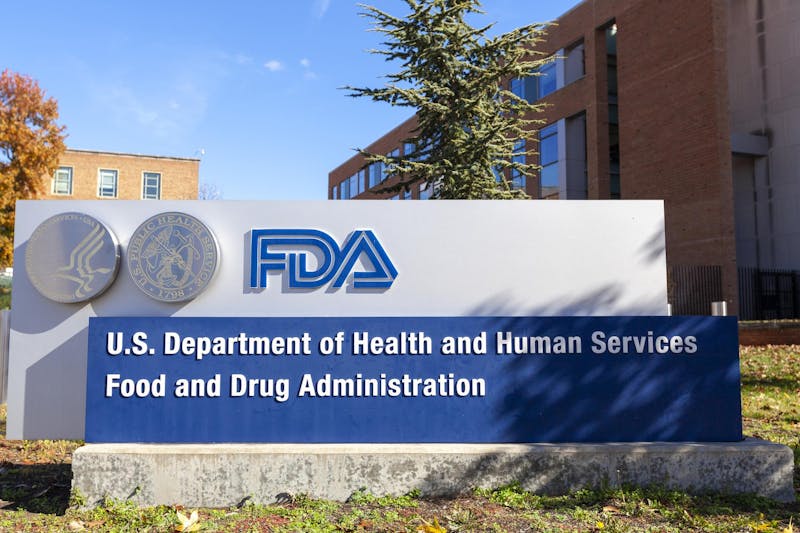
This restricted access has become particularly problematic in light of recent government communications about public health. In late November, Dr. Vinay Prasad, director of the FDA’s Center for Biologics Evaluation and Research, released a memo claiming at least 10 children died “after and because of receiving” COVID-19 vaccines.
The memo, obtained by NBC News, provided virtually no supporting details to substantiate these serious claims. Critical information that would allow for independent verification was conspicuously absent – no ages, medical histories, chronologies, case files, documentation, or even identification of the vaccine manufacturer. Perhaps most concerning, these findings were not published in a peer-reviewed journal, bypassing the scientific community’s established verification process.
In an era already plagued by misinformation and politically motivated distortions of scientific evidence, such incomplete government statements actively undermine public trust. When administrations cite questionable reviews to advance political agendas, the public needs unfettered access to legitimate research to evaluate claims independently.
Open access to scholarly research serves as a critical counterbalance to misinformation by empowering citizens to fact-check, contextualize, and challenge unsubstantiated assertions. The benefits extend far beyond academia, reaching teachers, journalists, healthcare providers, policymakers, and community members who need reliable information to make informed decisions.
However, the current academic publishing model presents significant obstacles. Despite the internet drastically reducing distribution costs, academic journals continue charging exorbitant fees – sometimes thousands of dollars – for access to scholarly work. Research from Brown University indicates journal prices have outpaced inflation by more than 250% over the past three decades, creating an artificial scarcity of knowledge in the digital age.
The stakes extend beyond vaccine debates. In May, President Trump’s proposed budget for fiscal year 2026 included a reduction of approximately $2.7 billion for the National Cancer Institute – a 37.2% decrease compared to current funding levels. The NCI warned such cuts could “cost the United States its global competitive edge in biomedical research, turning back the clock on years of progress.”
These parallel trends – restricted access to existing research and threatened funding for future studies – create a perfect storm that undermines scientific advancement and public trust simultaneously.
The campaign for open access represents a fundamental fight for public empowerment. In a political climate where scientific institutions face increasing attacks and public trust in evidence-based research is deliberately eroded, democratic processes depend on affordable access to scientific knowledge. Open access strengthens the public’s ability to distinguish between evidence and opinion while providing tools necessary to hold institutions accountable.
Building a society capable of resisting misinformation, supporting research, and rebuilding trust in scientific expertise requires removing barriers between citizens and the research they fund. Open access isn’t merely desirable – it’s essential to the health of both scientific progress and democratic discourse in an increasingly complex information landscape.
Fact Checker
Verify the accuracy of this article using The Disinformation Commission analysis and real-time sources.

28 Comments
Exploration results look promising, but permitting will be the key risk.
Good point. Watching costs and grades closely.
Good point. Watching costs and grades closely.
If AISC keeps dropping, this becomes investable for me.
Good point. Watching costs and grades closely.
Production mix shifting toward News might help margins if metals stay firm.
If AISC keeps dropping, this becomes investable for me.
Good point. Watching costs and grades closely.
I like the balance sheet here—less leverage than peers.
Good point. Watching costs and grades closely.
Good point. Watching costs and grades closely.
The cost guidance is better than expected. If they deliver, the stock could rerate.
Interesting update on Open Access Research Emerges as Key Tool to Combat Misinformation. Curious how the grades will trend next quarter.
Exploration results look promising, but permitting will be the key risk.
Good point. Watching costs and grades closely.
Good point. Watching costs and grades closely.
Silver leverage is strong here; beta cuts both ways though.
Good point. Watching costs and grades closely.
Good point. Watching costs and grades closely.
Silver leverage is strong here; beta cuts both ways though.
If AISC keeps dropping, this becomes investable for me.
Good point. Watching costs and grades closely.
I like the balance sheet here—less leverage than peers.
The cost guidance is better than expected. If they deliver, the stock could rerate.
I like the balance sheet here—less leverage than peers.
Good point. Watching costs and grades closely.
Silver leverage is strong here; beta cuts both ways though.
Good point. Watching costs and grades closely.