


Listen to the article
North Carolina advocacy groups have joined forces to confront what they describe as a crisis in reproductive healthcare funding in the state, announcing a symposium to examine the growing influence of Crisis Pregnancy Centers (CPCs) that receive significant public funding.
The free half-day event, “NC’s Reproductive Healthcare Crisis: Misinformation, Misdirected Funding,” scheduled for February 7 in Chapel Hill, will explore concerns about the $19 million in state funding allocated to CPCs amid cuts to traditional healthcare providers.
The League of Women Voters of North Carolina is co-sponsoring the event alongside several organizations, including the Chapel Hill/Durham chapters of the National Organization for Women (NOW), Interfaith Voices for Reproductive Freedom (IVRF), and other community partners. These groups have been meeting regularly to analyze North Carolina’s network of Crisis Pregnancy Centers and develop strategic responses to what they consider a troubling shift in healthcare priorities.
Dr. Amy Bryant, Division Director of Complex Family Planning at UNC Chapel Hill, will lead the panel of speakers. She will be joined by Tara Romano, Executive Director of Pro-Choice NC, and Emma Horst-Martz from Planned Parenthood Votes! South Atlantic. The symposium aims to provide a comprehensive examination of how CPCs operate in the state’s reproductive healthcare landscape.
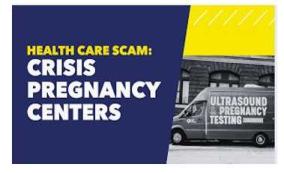
Crisis Pregnancy Centers have drawn increasing scrutiny nationwide. While they present themselves as healthcare providers, critics argue they often lack medical licenses and primarily focus on dissuading women from seeking abortions rather than providing comprehensive reproductive healthcare. The symposium will specifically address how these centers function as what organizers describe as “maternal-care vouchers,” drawing parallels to controversial private school voucher programs.
The event comes at a pivotal moment for reproductive healthcare in North Carolina. Recent legislative efforts have sought to end Medicaid’s relationship with Planned Parenthood, while legitimate clinics face growing financial pressures. Health policy experts have expressed concern that redirecting public funds to CPCs could further strain an already stressed healthcare system, particularly for low-income residents who rely on Medicaid services.
“We’re seeing a systematic redirection of public resources away from evidence-based care toward ideologically-driven centers,” said a representative from the League of Women Voters, though not directly quoted in the announcement. The symposium organizers have created a Change.org petition titled “NC’s Reproductive Healthcare Crisis: Mis-Directed Funding,” calling for greater transparency and accountability in public funding allocations.
The event is designed not only to inform but to mobilize action. Attendees will have opportunities to engage directly through postcard writing campaigns to state officials, advocacy for increased fiscal oversight, and petition signing. These efforts reflect growing concerns about reproductive healthcare access in North Carolina, particularly following nationwide restrictions on abortion services in recent years.
Additional sponsors include the League of Women Voters of Orange, Durham, and Chatham Counties (LWVODC), the League of Women Voters of North Carolina (LWVNC), and the League of Women Voters of Wake County (LWVWake).
The symposium, concluding by 2 p.m., requires advance registration. Organizers indicate that further details will be provided to those who register, with inquiries directed to Amy Jeroloman at ajeroloman.lwv@gmail.com.
For background on the growing influence of Crisis Pregnancy Centers, organizers recommend a recent PBS NewsHour segment titled “Rise of Crisis Pregnancy Centers Highlights Shift in Anti-abortion Movement,” which explores the changing landscape of reproductive healthcare advocacy and service provision.
The gathering represents a significant coordination of efforts among reproductive rights advocates in North Carolina, who are increasingly concerned about what they characterize as a shift in healthcare priorities that could affect access to comprehensive reproductive services across the state.
Fact Checker
Verify the accuracy of this article using The Disinformation Commission analysis and real-time sources.

6 Comments
This is a complex issue with important implications for women’s healthcare access. I hope the symposium can shed light on the impact of CPCs and the need for balanced, evidence-based funding decisions.
The influence of CPCs and misinformation around reproductive healthcare is troubling. I’m glad to see advocacy groups coming together to examine the situation and find solutions in North Carolina.
This is an important issue that deserves thoughtful, fact-based discussion. I hope the symposium can provide clarity on the challenges facing reproductive healthcare in the state and identify constructive ways forward.
Reproductive healthcare is a complex and sensitive topic. I appreciate the efforts of these organizations to bring together experts and stakeholders to explore the situation in North Carolina objectively and constructively.
Reproductive healthcare is a fundamental right, and I’m concerned to hear about the funding challenges in North Carolina. Transparency and objective analysis will be crucial to address this crisis effectively.
Agreed. Reliable information and open dialogue are essential to protect reproductive rights and ensure equitable access to essential healthcare services.