


Listen to the article
Nigerian NGO Launches Campaign Against Sickle Cell Stigma and Misinformation
A new campaign aimed at tackling stigma, ignorance, and misinformation surrounding sickle cell disorder in Nigeria has been launched by the Sickle Cell Awareness Initiative Ireland-Nigeria (SCAIIN), a non-governmental organization operating across both countries.
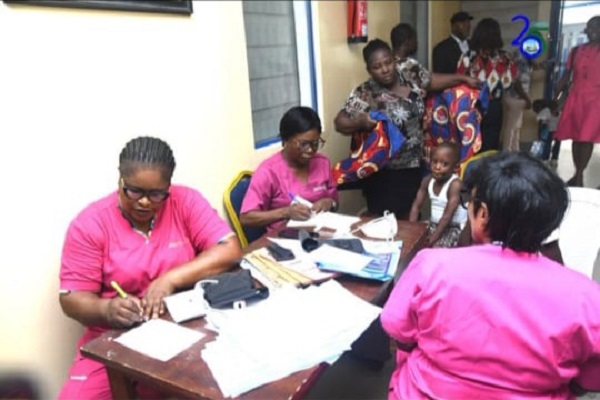
The initiative, unveiled during a one-day medical intervention at Rivers State University Teaching Hospital in Port Harcourt, focuses on breaking what organizers described as a “long-standing cycle of pain, stigma and silence” through research-driven advocacy, public education, and community mobilization efforts.
Mrs. Esther Pepple Onolememen, founder of SCAIIN, explained that the program was specifically designed to improve health outcomes for people living with sickle cell disorder while simultaneously strengthening public trust and support for patients and their families.
“Together, we are rewriting the story of sickle cell in Nigeria from silence to knowledge, from stigma to support, and from neglect to action,” Onolememen stated during the launch event held over the weekend.
She emphasized that sustained awareness and early intervention remain critical factors in reducing the burden of sickle cell disorder across the country, noting that persistent ignorance and social stigma continue to exacerbate challenges faced by patients.
The initiative comes at a crucial time for Nigeria, which has one of the highest rates of sickle cell disorder globally. The genetic blood condition affects the shape of red blood cells, causing them to become sickle-shaped and leading to painful episodes, increased risk of infection, and complications affecting multiple organ systems.
Onolememen urged the Federal Government to adopt a more proactive approach by introducing a national newborn screening program, which she described as a “critical first step toward comprehensive planning for sickle cell care in Nigeria.”
“Promoting public health, advocacy and care across borders, going forward, an immediate approach is to consider newborn screening, national newborn screening as a country, that is the first step into planning for sickle cell care generally,” she added.
The campaign has secured significant backing from the Niger Delta Development Commission (NDDC), whose Managing Director, Dr. Samuel Ogbuku, observed that sickle cell disease remains a major public health concern in Nigeria, particularly throughout the Niger Delta region.
Represented at the event by Dr. Patience Ezugu, Director of Education, Health, and Social Services, Ogbuku emphasized the importance of the sensitization program in strengthening awareness to ensure both prevention and care for sickle cell disease in the area.
“As a Commission mandated to enhance the well-being of our people, the NDDC recognizes that sustainable development is impossible without a healthy population,” Ogbuku stated. “This program reinforces our commitment to preventive healthcare, early diagnosis, and community education.”
He specifically addressed different stakeholder groups, noting: “For our youths, knowing your genotype early is essential. For patients, we reaffirm our support for improved access to care. For health professionals, we appreciate your dedication and encourage continued collaboration in research, counseling, and community outreach.”
The human face of the disorder was represented by Mr. Derefaka Yemiesibo, father of a child living with sickle cell disease, who expressed appreciation to the NDDC for supporting affected families through advocacy and sustained awareness programs.
The collaboration between SCAIIN and NDDC represents a significant step forward in addressing both the medical and social aspects of sickle cell disorder in Nigeria, particularly in creating platforms where patients and families can receive support while working to eliminate the stigma that often surrounds the condition.
Health experts have long advocated for increased awareness about sickle cell trait testing before marriage and family planning, which could significantly reduce the incidence of the disorder in countries with high prevalence rates like Nigeria.
Fact Checker
Verify the accuracy of this article using The Disinformation Commission analysis and real-time sources.

20 Comments
Sickle cell disorder is a complex, lifelong condition that requires comprehensive, compassionate care. This NGO’s focus on patient-centered solutions is commendable.
Agreed. Elevating patient voices and building trust in the healthcare system can make a real difference in improving quality of life.
Sickle cell is a serious genetic condition that requires comprehensive, compassionate care. This NGO’s efforts to drive systemic change and empower patients are commendable.
Agreed. Elevating patient voices and building trust in the healthcare system will be transformative for sickle cell communities in Nigeria.
Sickle cell disorder disproportionately affects certain populations, making access to quality care and social support critical. This NGO’s holistic approach is an encouraging step forward.
Absolutely. Empowering patients and their families, while also tackling systemic barriers, can transform health outcomes.
This is an important campaign that aims to address the unique challenges faced by sickle cell patients in Nigeria. Improving public understanding and access to care is crucial.
Yes, breaking the cycle of stigma and neglect is key. I hope this NGO’s efforts inspire similar initiatives across the region.
Sickle cell is a serious, chronic condition that requires ongoing support and care. This NGO’s focus on breaking the cycle of stigma and neglect is a much-needed intervention.
Absolutely. Empowering patients and their families, while also tackling systemic barriers, can have a transformative impact.
Raising awareness and combating stigma around sickle cell disorder is so important, especially in underserved communities. This NGO’s campaign seems well-designed to drive positive change.
Yes, a community-driven, evidence-based approach is crucial. I hope this initiative can serve as a model for similar efforts across Africa.
Raising awareness and combating stigma around sickle cell disorder is so important. This NGO’s campaign sounds like a vital step in the right direction for improving healthcare outcomes and support for patients in Nigeria.
Agreed, early intervention and public education can make a real difference. Glad to see this community-driven effort taking shape.
Combating misinformation and stigma around sickle cell is vital work. This NGO’s research-driven approach seems well-positioned to create meaningful, sustainable impact.
Yes, grounding their efforts in evidence and community engagement is key. I hope this campaign sparks similar initiatives across Africa.
Sickle cell is a complex and often misunderstood condition. Kudos to this NGO for spearheading an evidence-based approach to tackle the stigma and misinformation surrounding it in Nigeria.
Absolutely. Raising awareness and promoting understanding is key to improving quality of life for those living with sickle cell disorder.
This is an encouraging development. Addressing the social and cultural barriers that compound the challenges of sickle cell disorder is crucial. I hope this campaign can inspire similar initiatives across Africa.
Yes, a holistic, community-focused approach is so important. Tackling stigma head-on is a critical first step.