


Listen to the article
In response to growing local resistance against data center development, a new coalition has formed to address what it describes as misinformation surrounding these facilities and their impact on communities.
The Data Center Coalition, backed by major technology companies and industry stakeholders, aims to counter negative perceptions that have fueled opposition in various municipalities across the country. This resistance has increasingly complicated expansion plans for tech giants seeking to build the infrastructure necessary to support artificial intelligence and cloud computing growth.
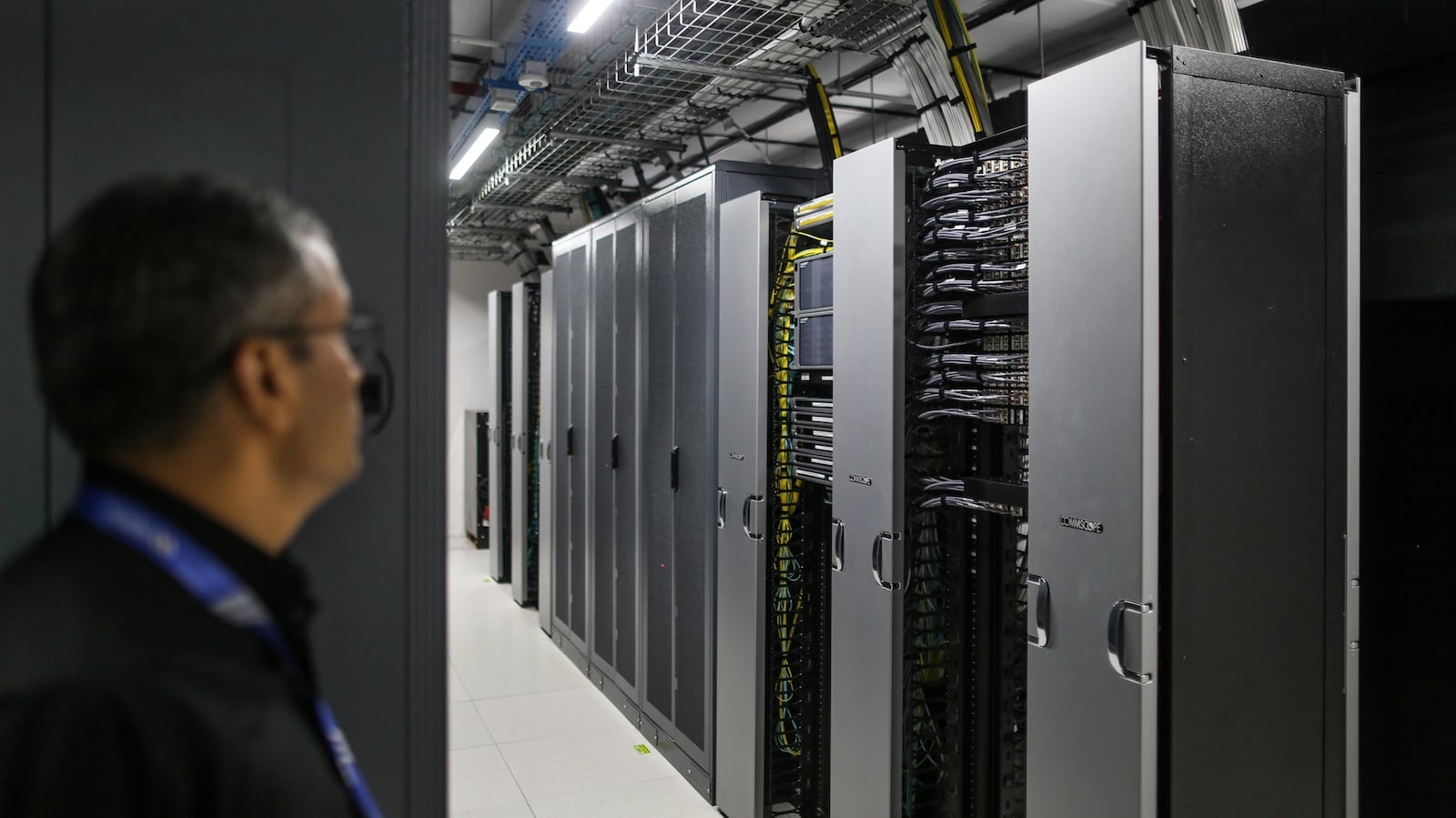
Data centers, which house servers and computing infrastructure that power everything from streaming services to corporate applications, have faced mounting criticism from local communities concerned about their environmental footprint, resource consumption, and limited job creation relative to their size.
“We’re seeing a pattern of misconceptions about how data centers operate and what benefits they bring to local economies,” said a spokesperson for the coalition. “Our goal is to provide accurate information so communities and policymakers can make decisions based on facts rather than fear.”
The coalition plans to launch educational campaigns highlighting what it calls the positive economic impacts of data centers, including tax revenue generation, infrastructure improvements, and the creation of high-skilled technical positions. Representatives argue that modern data centers are increasingly designed with sustainability in mind, incorporating renewable energy sources and advanced cooling technologies that minimize environmental impact.
Critics, however, remain unconvinced. Community advocacy groups in several states have organized against proposed data center projects, citing concerns about excessive water usage during drought conditions, strain on local power grids, and noise pollution from cooling systems.
“These facilities consume massive amounts of electricity and water while offering relatively few permanent jobs,” said a representative from a community opposition group in Michigan, where several data center proposals have met resistance. “The promised economic benefits often don’t materialize for local residents.”
The tension illustrates the growing pains of digital infrastructure development as the demand for computing power continues to surge. Industry analysts estimate that AI applications alone will drive a 25% increase in data center capacity requirements over the next five years.
In response to these concerns, some data center developers have begun implementing more community-focused approaches, including transparent engagement processes, local hiring commitments, and investments in renewable energy projects that benefit surrounding areas.
“The industry is evolving,” noted a technology infrastructure analyst with a major investment firm. “Companies are recognizing that community acceptance is crucial to their expansion plans, and that means addressing legitimate concerns rather than dismissing them.”
Several recent projects highlight this shift in strategy. In Virginia’s Loudoun County, long known as “Data Center Alley” for its high concentration of facilities, newer developments include community benefit agreements that fund local educational programs and infrastructure improvements.
The formation of this coalition comes at a critical time for the industry. With AI development accelerating and major tech companies announcing billions in new infrastructure investments, the need for data center expansion shows no signs of slowing. Microsoft, Google, Amazon, and Meta have all announced significant data center expansion plans to support their AI initiatives.
Economic development officials often welcome these facilities for their tax base contributions. A single large-scale data center can generate millions in property tax revenue without requiring extensive public services. However, these same officials must increasingly navigate community opposition that can delay or derail projects.
The coalition intends to develop resources for local governments evaluating data center proposals, including case studies of successful community integration and technical information about modern facility design and operation.
As digital transformation continues across industries, the debate over data center development highlights the challenge of balancing technological progress with community concerns—a tension likely to persist as our increasingly digital economy demands more physical infrastructure to support it.
Fact Checker
Verify the accuracy of this article using The Disinformation Commission analysis and real-time sources.

8 Comments
As someone who follows the tech and energy sectors, I’m curious to see how this plays out. Data centers are power-hungry, so their sustainability and impact on local communities is a crucial consideration. I hope this coalition can find ways to address legitimate concerns.
The growth of data centers is a double-edged sword. On one hand, they enable crucial digital infrastructure. On the other, their environmental toll can’t be ignored. This coalition seems like a reasonable step to inform the public, but they’ll need to be transparent and open-minded.
Agreed, finding the right balance will be challenging but essential. Maintaining public trust through honest dialogue will be key to their success.
As someone with a background in energy and sustainability, I’m curious to see the data and arguments this coalition puts forth. Data centers are a major consumer of electricity, so their environmental impact needs to be carefully weighed against their economic and technological benefits.
Data centers play a vital role, but I can understand the local pushback. Their resource consumption and environmental footprint are valid concerns that need to be carefully managed. Hopefully this coalition can provide objective data to inform the debate.
Factual, unbiased information is so important when it comes to complex infrastructure projects like this. Looking forward to seeing how the coalition’s efforts unfold.
Interesting to see this new coalition forming to address misinformation around data centers. Data infrastructure is critical to our digital economy, but local concerns about environmental impact and economic benefits need to be heard and addressed responsibly.
Agreed, open and transparent communication will be key to finding the right balance between progress and community concerns.