


Listen to the article
Netflix CEO Clashes with James Cameron Over Warner Bros. Discovery Acquisition
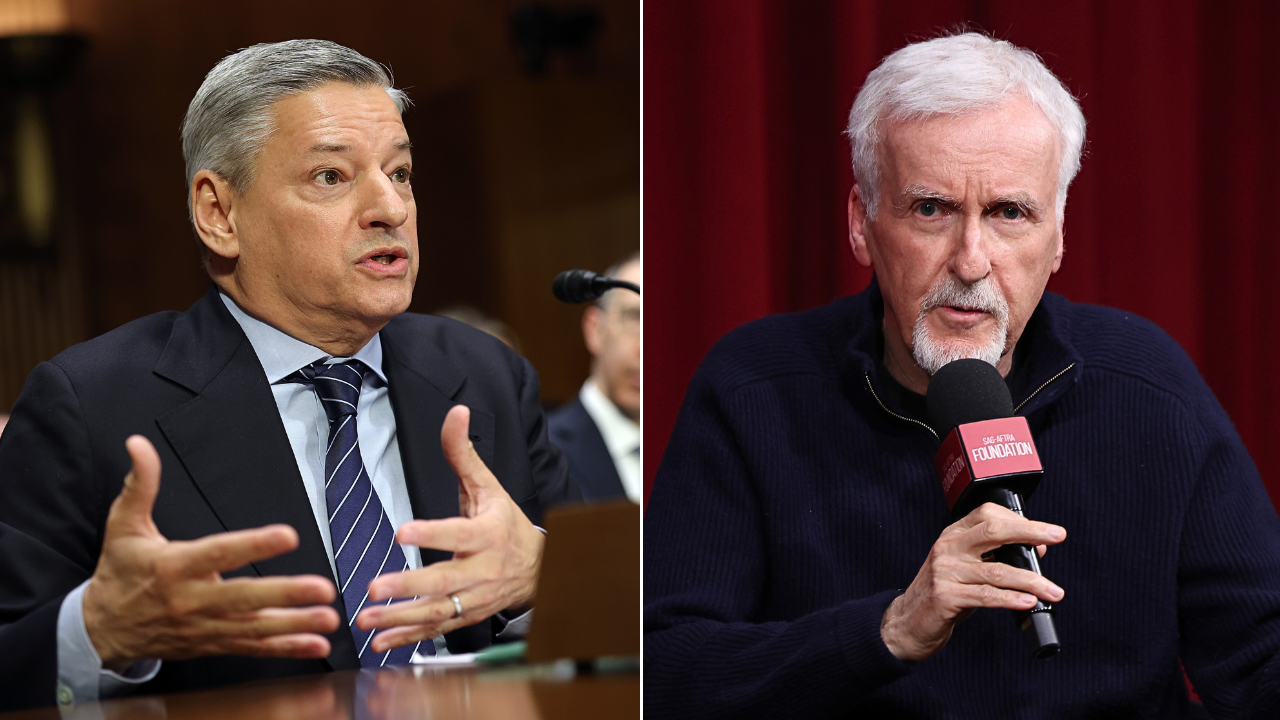
Netflix co-CEO Ted Sarandos has publicly challenged acclaimed director James Cameron’s criticisms of the streaming giant’s proposed acquisition of Warner Bros. Discovery (WBD), accusing the filmmaker of falling victim to misinformation.
“I’m particularly surprised and disappointed that James chose to be part of the Paramount disinformation campaign that’s been going on for months about this deal,” Sarandos said during an appearance on “The Claman Countdown” last Friday.
The confrontation stems from Netflix’s December announcement of its intention to acquire WBD, which includes HBO and HBO Max. Shortly after Netflix’s proposal, Paramount Skydance submitted a competing all-cash offer, setting the stage for a high-stakes bidding war between two entertainment powerhouses.
Cameron, director of blockbusters like “Titanic” and “Avatar,” voiced his concerns in a letter to Senator Mike Lee, chairman of the Senate Judiciary Subcommittee on Antitrust, Competition Policy and Consumer Rights. In his letter, Cameron claimed Netflix’s business model fundamentally conflicts with theatrical film production.
“Theaters will close. Fewer films will be made. Service providers such as VFX companies will go out of business. The job losses will spiral,” Cameron warned in his letter.
Sarandos expressed bewilderment at Cameron’s stance, noting they had met personally in December. “I laid out for him our 45-day commitment to the theatrical exhibition of films and to the Warner Brothers slate,” Sarandos explained. “I have talked about that commitment in the press countless times. I swore under oath in front of the Senate subcommittee on antitrust that that’s what we were doing.”
One key point of contention involves the theatrical release window. Sarandos firmly denied Cameron’s assertion that Netflix was planning a 17-day theatrical window, insisting the company has consistently committed to a 45-day exclusivity period for theaters.
“45 days of theatrical exclusivity – that has been clear from the beginning,” Sarandos emphasized. “I have never even uttered the word 17-day window.”
The Netflix executive also dismissed Cameron’s claim that the acquisition would reduce WBD’s annual theatrical releases, which currently number around 15 films per year.
“We will keep the Warner Brothers film and television studio running largely as it is today,” Sarandos assured. “Movies going to the theaters for 45 days, a healthy, robust slate of films every year. That is gonna continue.”
The proposed acquisition has generated significant controversy within Hollywood’s creative community and among California political leaders. Critics fear the deal could lead to market consolidation that might harm competition, limit creative opportunities, and potentially result in job losses.
Sarandos didn’t hold back when addressing the rival bid from Paramount, claiming their approach would be far more detrimental to WBD’s operations and the broader entertainment industry.
“The Paramount deal that’s floating around there and all the misinformation swirling around it is guaranteeing to cut jobs,” Sarandos claimed. “They’re guaranteeing to continue to make gigantic cuts to the entertainment industry. And then the alternative, we’re growing, growing, and they are promising to cut, cut, cut.”
According to Sarandos, Paramount plans to slash $6 billion from WBD should their acquisition succeed.
The battle for WBD represents a significant potential shift in the streaming landscape. Netflix, already the dominant global streaming platform with over 270 million subscribers, would gain access to WBD’s extensive content library, including franchises like DC Comics, Harry Potter, and HBO’s prestigious catalog of original programming.
The outcome of this corporate struggle could reshape Hollywood’s power dynamics for years to come, affecting everything from production budgets to distribution strategies. As regulatory scrutiny intensifies, both Netflix and Paramount will need to convince not only shareholders but also industry stakeholders that their vision for WBD’s future best serves the creative community and consumers alike.
Fact Checker
Verify the accuracy of this article using The Disinformation Commission analysis and real-time sources.

6 Comments
This is a high-stakes confrontation between two industry heavyweights. I’m curious to see if Sarandos can successfully counter Cameron’s criticisms or if the filmmaker’s concerns resonate more with regulators and the public.
It’s concerning to hear claims of ‘misinformation’ being thrown around. I hope both sides can engage in a constructive dialogue and provide clear, factual information to the public and regulators.
This is an interesting clash between Netflix and James Cameron. Both sides seem to have valid points about the impact of the proposed WBD acquisition on the movie industry. It will be interesting to see how this plays out.
While I can understand Cameron’s concerns about the potential impact on theatrical releases, I’m curious to hear more about Sarandos’ perspective. What exactly does he see as ‘misinformation’ in Cameron’s claims? This could be an important debate for the future of film.
As someone who enjoys both streaming and theatrical experiences, I’m interested in understanding how this acquisition could affect consumer choice and access to content. Hopefully the companies can find a way to coexist.
As an investor in the entertainment sector, I’m watching this dispute closely. The outcome could have significant implications for the competitive landscape and business models of major media companies. I hope both sides can find common ground.