


Listen to the article
Nigerian power regulator NERC calls for responsible journalism to support electricity sector reforms
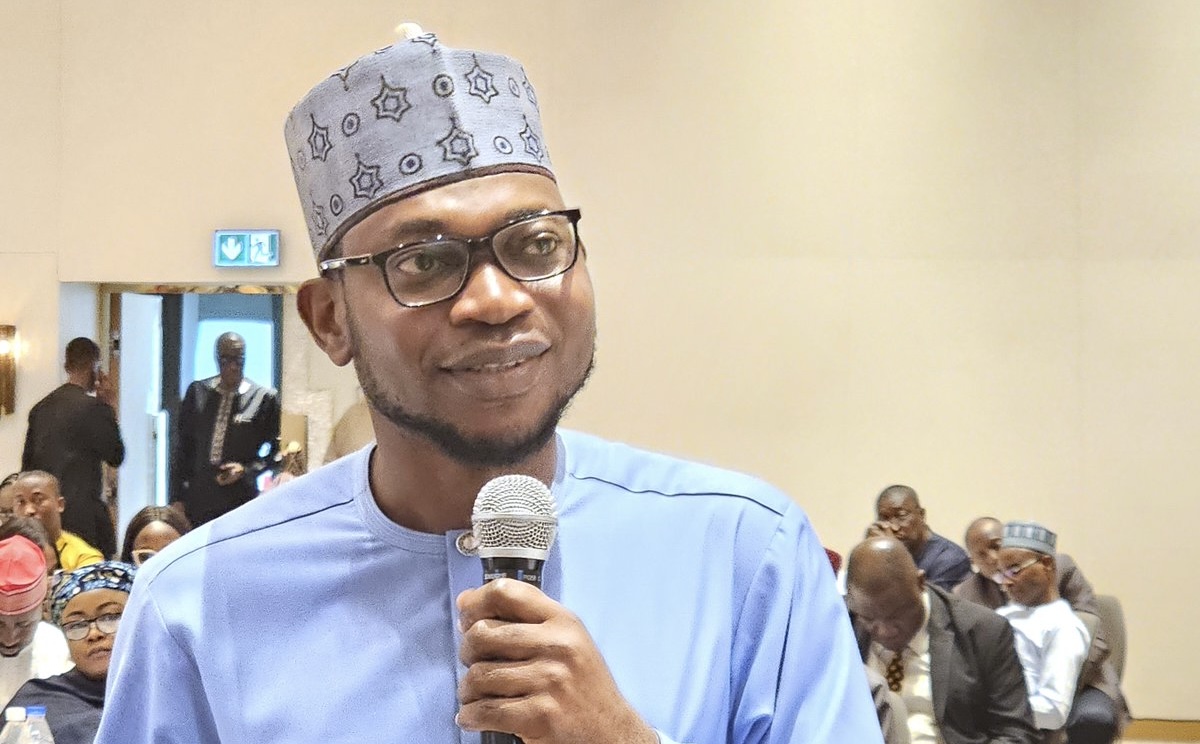
The Chairman of the Nigerian Electricity Regulatory Commission (NERC), Musiliu Oseni, has called on journalists covering the power sector to leverage their privileged access to information to improve reporting quality and public understanding of industry developments.
Speaking during a courtesy visit by the Power Correspondents Association of Nigeria (PCAN) to NERC headquarters in Abuja on Monday, Oseni emphasized the critical role media plays in shaping public perception of ongoing reforms within the Nigerian Electricity Supply Industry (NESI).
“You have the responsibility to inform, not misinform, the public. We will continue to encourage you to carry out this duty diligently,” Oseni told the assembled journalists. “If there is any misinformation out there, it spreads very fast and can lead to several unexpected consequences.”
The NERC chairman noted that the relationship between the regulatory body and power correspondents has significantly improved over time, yielding positive outcomes for the sector. This improved cooperation comes at a crucial time for Nigeria’s power sector, which continues to face challenges including insufficient generation capacity, transmission constraints, and distribution inefficiencies.
Nigeria’s electricity industry has undergone significant restructuring since the 2013 privatization of generation and distribution companies, though progress has been slower than anticipated. Recent reforms have focused on cost-reflective tariffs, improved metering, and service-based regulations to enhance reliability across the value chain.
Oseni stressed that accurate media coverage is essential for securing public buy-in for these ongoing reforms, many of which involve complex regulatory adjustments that affect consumer pricing and service delivery. The Nigerian power sector serves over 200 million people but continues to struggle with providing reliable electricity to homes and businesses across the country.
“Over the years, we have enjoyed a very smooth relationship with you, unlike when we first started,” Oseni remarked, highlighting the evolution of NERC’s engagement with the media. “Following the improved relationship with you, we have seen a number of benefits.”
PCAN Chairman Obas Esiedesa responded by commending NERC for its increased transparency, particularly through improved digital communications and proactive data sharing. These efforts have made it easier for journalists to access accurate information about regulatory decisions, market performance, and policy developments within the sector.
Esiedesa reaffirmed PCAN’s commitment to enhancing the depth and accuracy of power sector reporting, acknowledging the responsibility journalists bear in interpreting complex technical and policy information for the general public.
The exchange underscores the growing recognition among regulatory bodies that media partnerships are essential for successful policy implementation, especially in sectors like electricity that directly impact daily life for citizens and economic activity nationwide.
Industry observers note that Nigeria’s power sector has received increasing media scrutiny as the country continues to struggle with meeting its electricity demand. Despite being Africa’s largest economy, Nigeria’s per capita electricity consumption remains among the lowest in the world, with businesses and affluent households often relying on expensive private generators to supplement unreliable grid supply.
Recent NERC initiatives include the implementation of service-based tariff structures, improved compliance monitoring, and stakeholder engagement programs designed to balance the interests of investors, operators, and consumers within the electricity market.
As NERC continues to navigate the complex challenges of regulating a developing electricity market, the commission appears to recognize that effective communication through responsible journalism will be central to building the public understanding and support necessary for successful reform implementation.
Fact Checker
Verify the accuracy of this article using The Disinformation Commission analysis and real-time sources.

13 Comments
The NERC’s call for energy journalists to combat misinformation is a timely and important message. Accurate, balanced reporting is essential for public understanding of complex industry issues.
Responsible journalism is critical for public understanding of the energy sector. I hope the NERC’s call for accurate reporting leads to more transparency and trust in the industry’s reforms.
Agreed. Misinformation can have serious consequences, so it’s good to see the regulator emphasizing the media’s role in informing the public.
Improving the relationship between the regulator and power correspondents is a positive step. Constructive cooperation can lead to more transparent and insightful coverage of the challenges facing Nigeria’s electricity supply industry.
Definitely. If journalists can work closely with the NERC to better understand the nuances of the reform process, they’ll be better equipped to provide the public with a balanced and informative perspective.
It’s encouraging to see the NERC recognizing the importance of the media’s role in supporting the power sector’s transformation. Improved cooperation and information-sharing can lead to more transparent and insightful coverage.
Agreed. By working closely with journalists, the NERC can help ensure that the public receives a balanced and well-informed perspective on the challenges and progress within the electricity supply industry.
It’s encouraging to see the regulator recognizing the media’s role in shaping public perception of the power sector reforms. Improved cooperation between NERC and journalists could lead to more informed coverage.
Agreed. Leveraging the media’s access to information to improve reporting quality is a smart move by the NERC. This can help build public trust and support for the necessary changes in the industry.
The NERC chairman’s call for responsible journalism is a timely reminder of the media’s crucial role in shaping public discourse around energy sector issues. Accurate, well-informed reporting is essential for meaningful reform.
The NERC chairman is right to emphasize the responsibility of journalists to inform, not misinform, the public. Accurate, well-researched reporting is crucial for the success of Nigeria’s power sector reforms.
Interesting to see the NERC chairman emphasizing the need for journalists to leverage their access to information and improve coverage of the power sector. Rebuilding public trust is crucial for successful reforms.
Absolutely. Transparent and well-informed reporting can go a long way in helping the public understand the challenges and progress being made in Nigeria’s electricity supply industry.